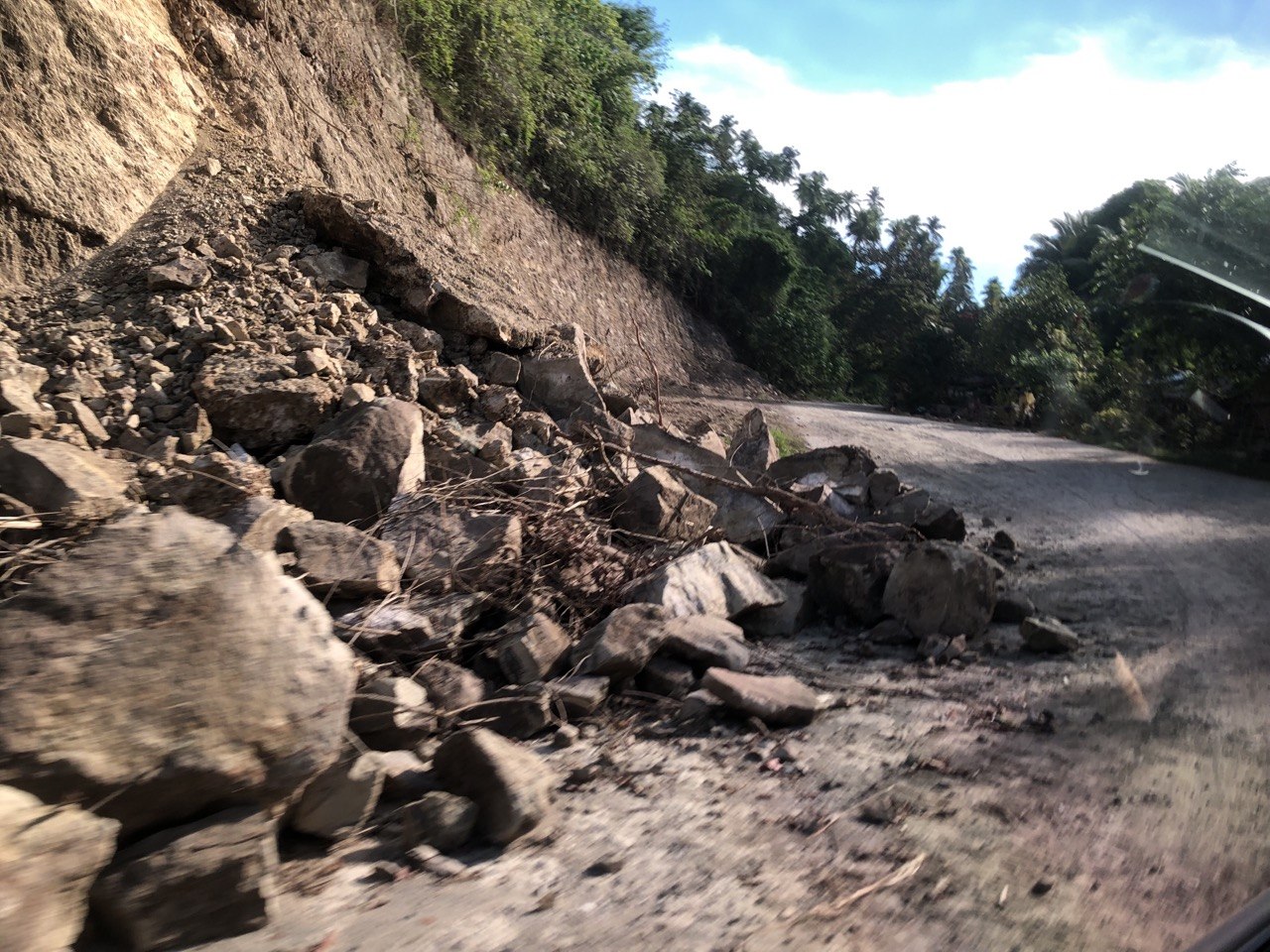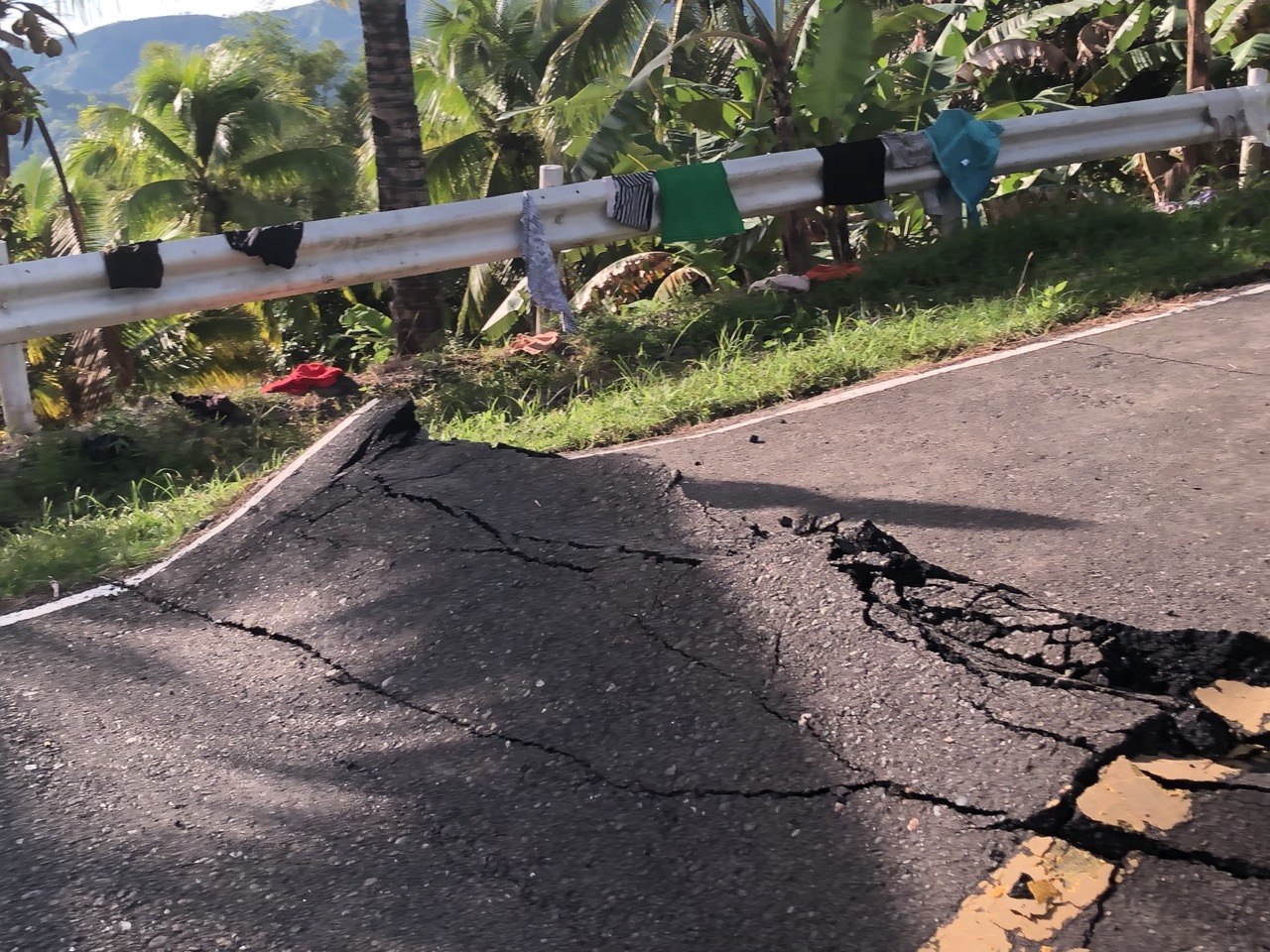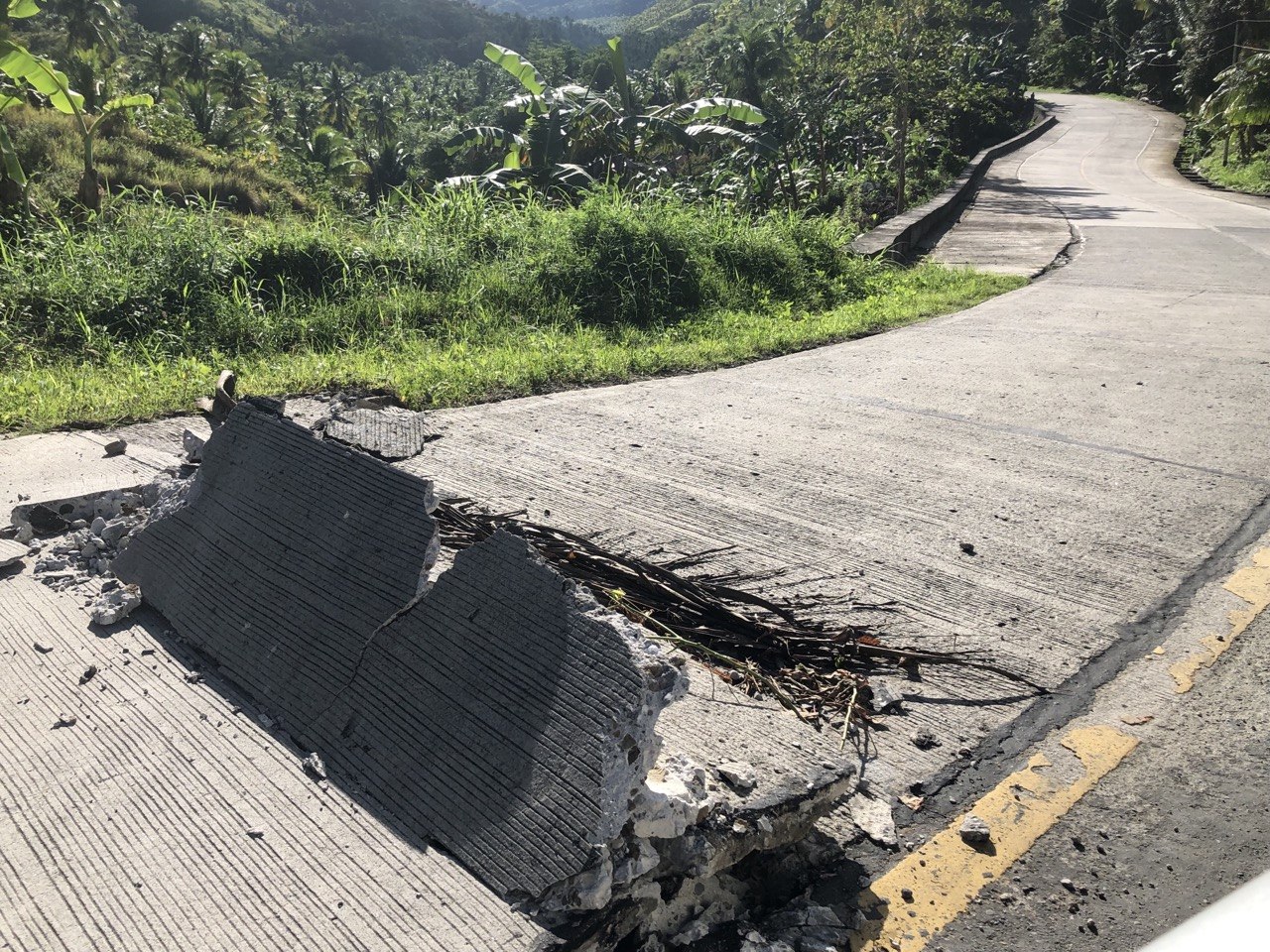
Landslide Displaces Families in Davao Occidental after 7.8 Magnitude Earthquake

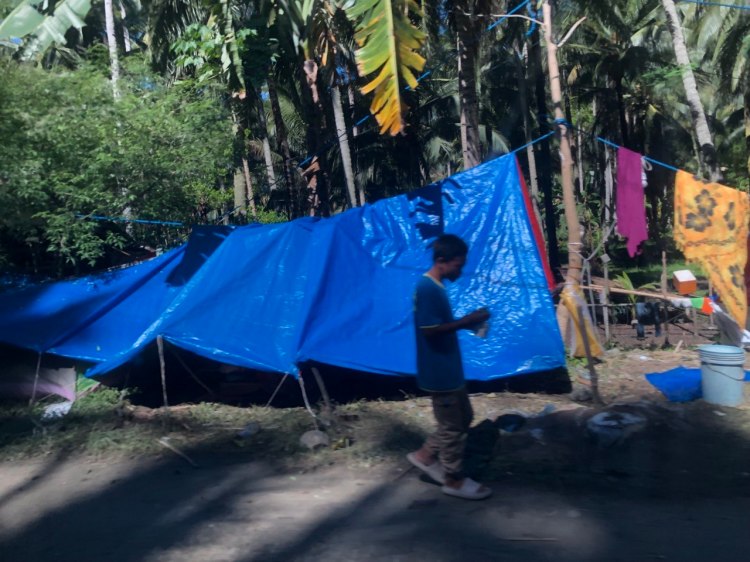
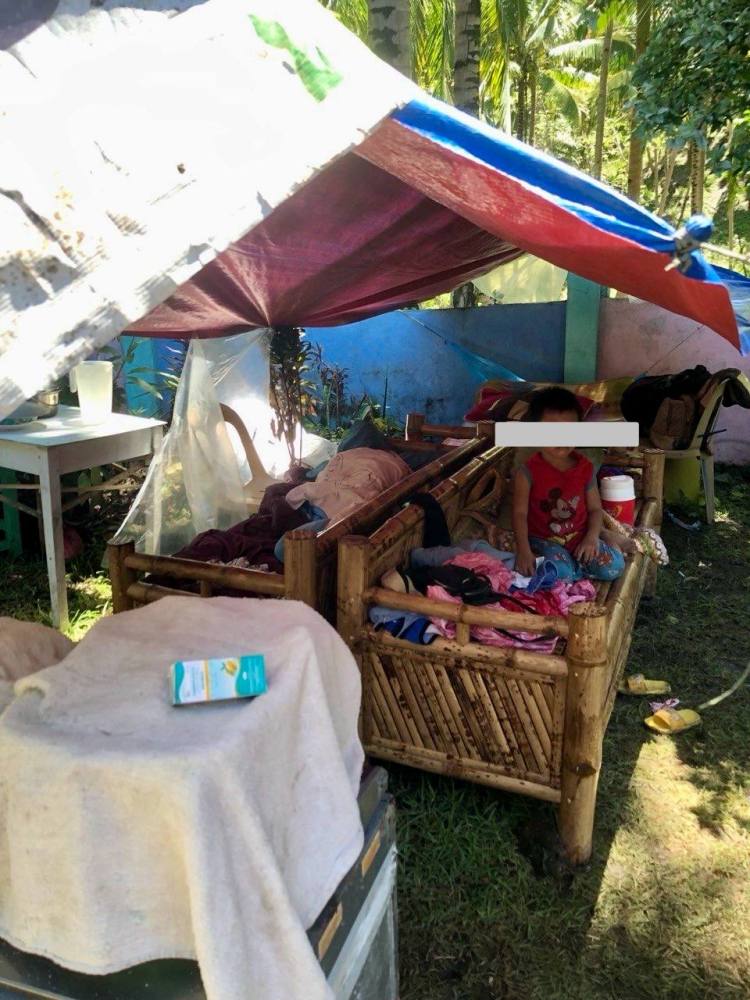
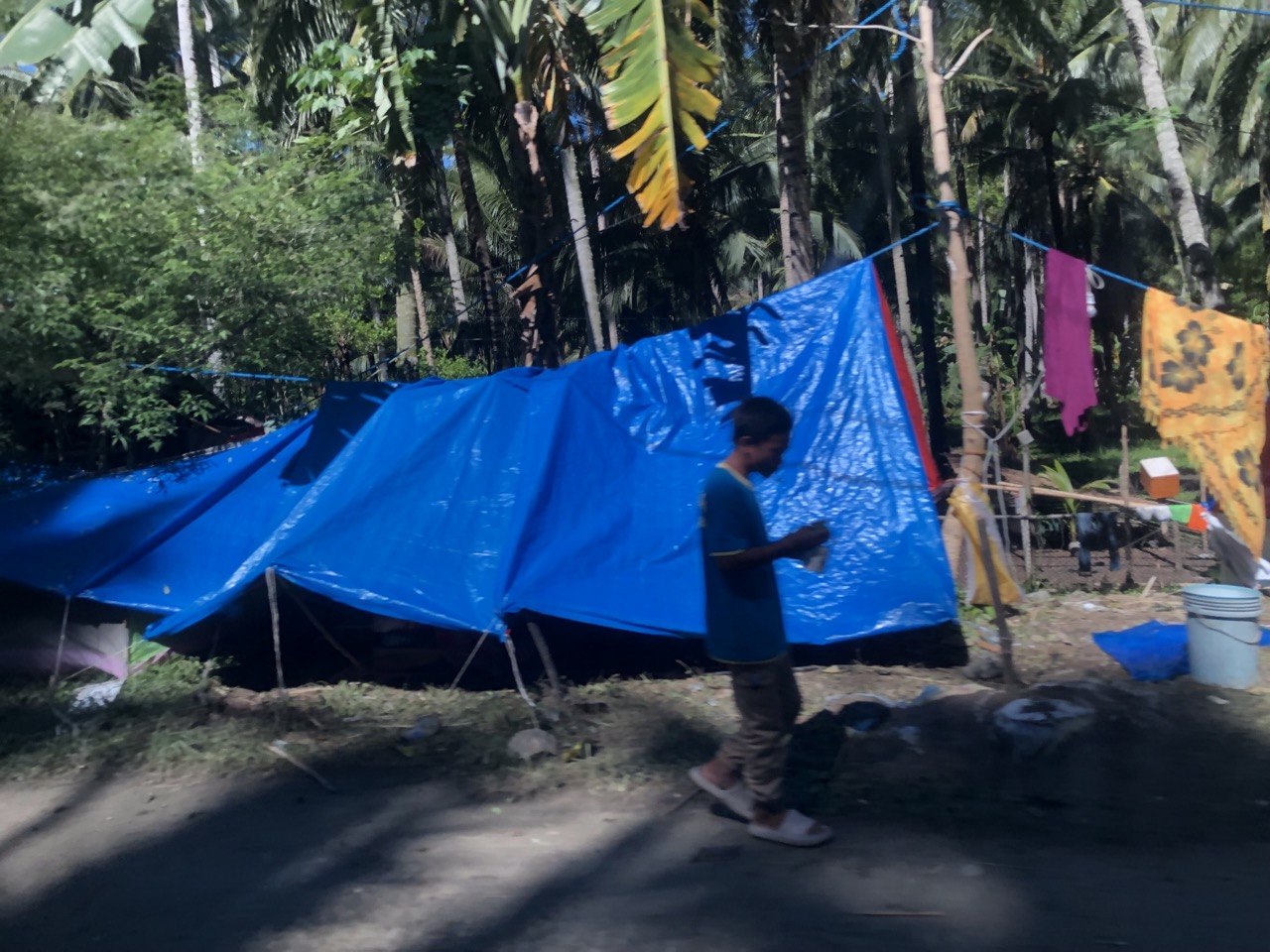
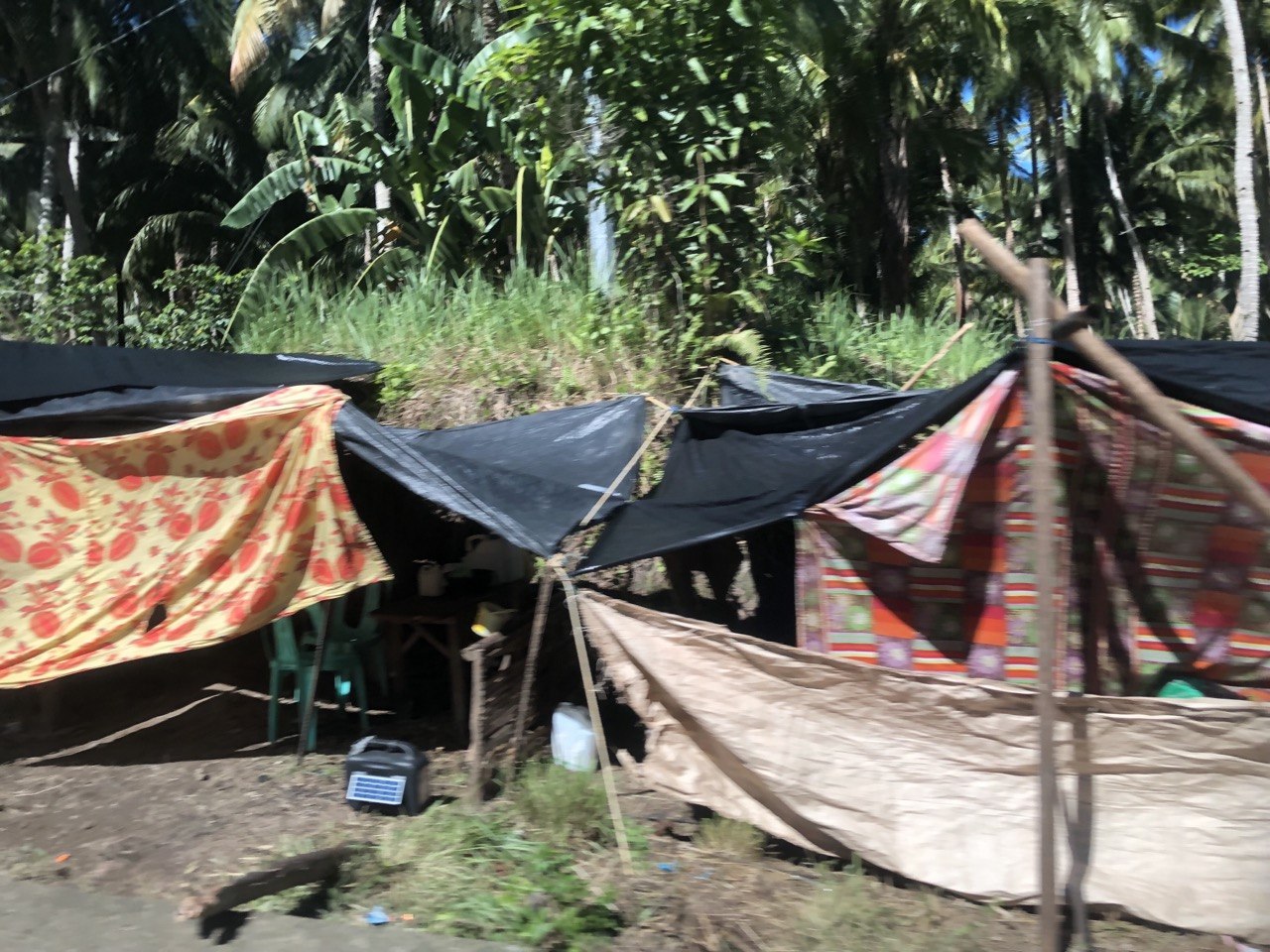
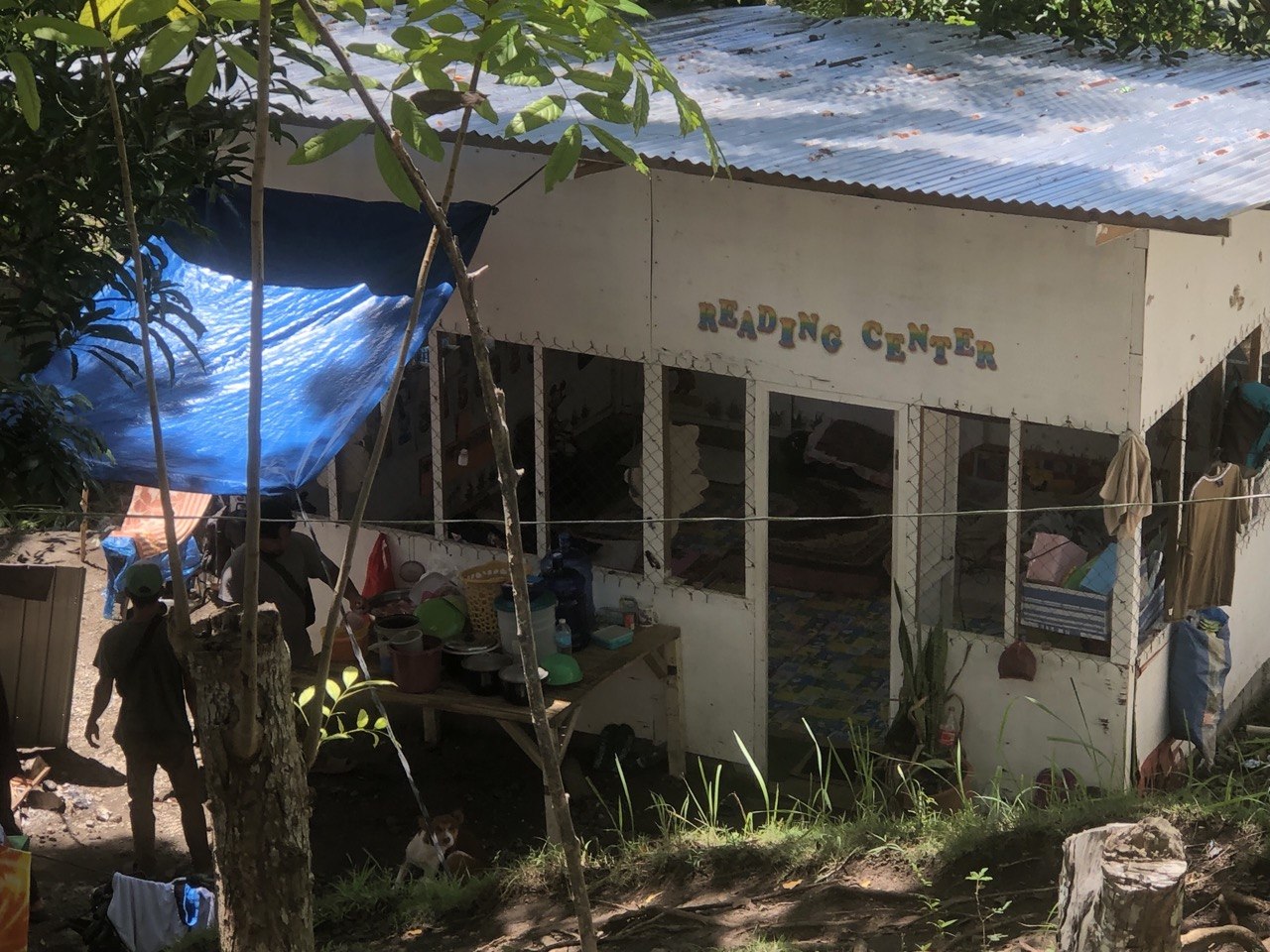
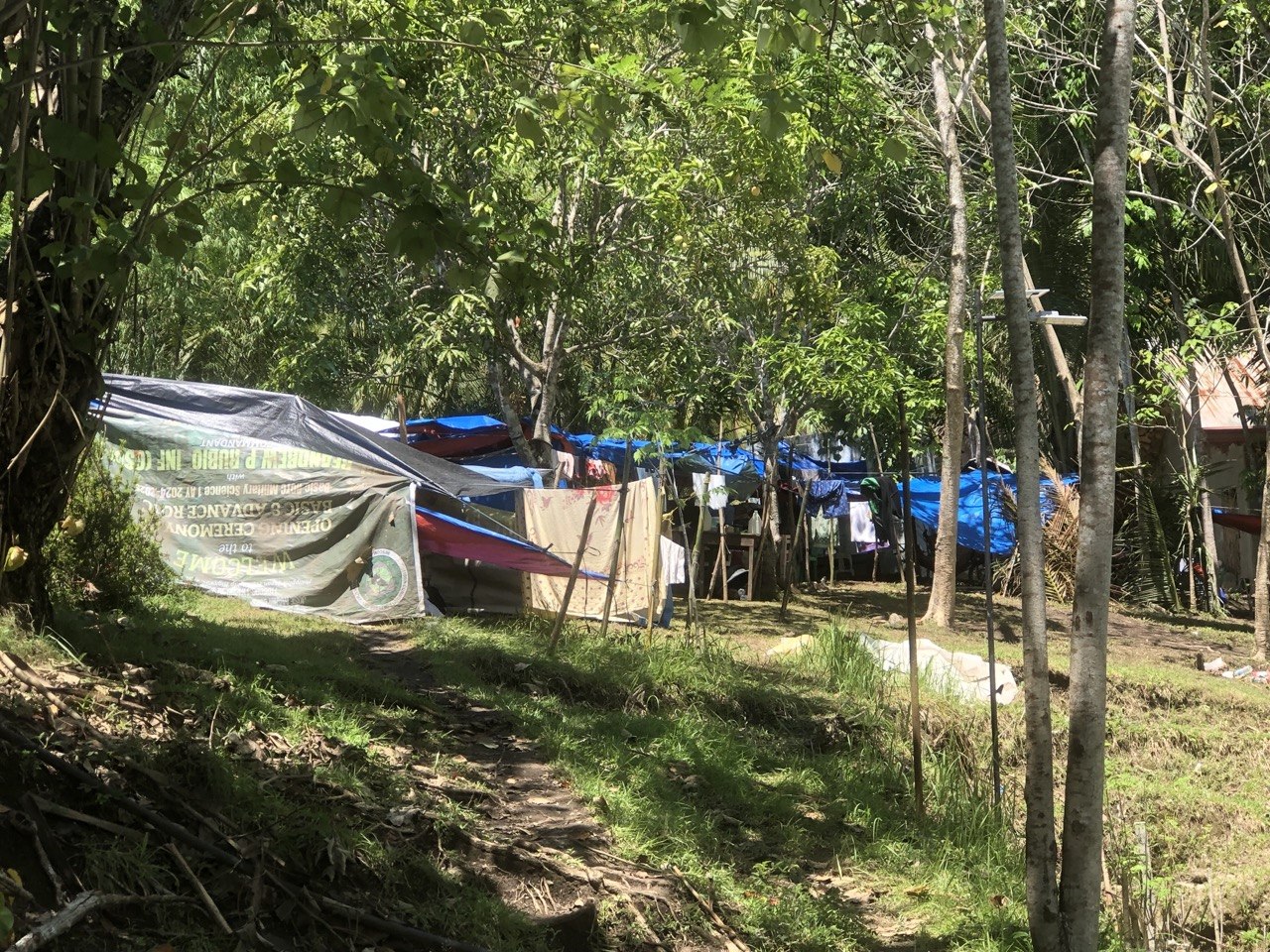
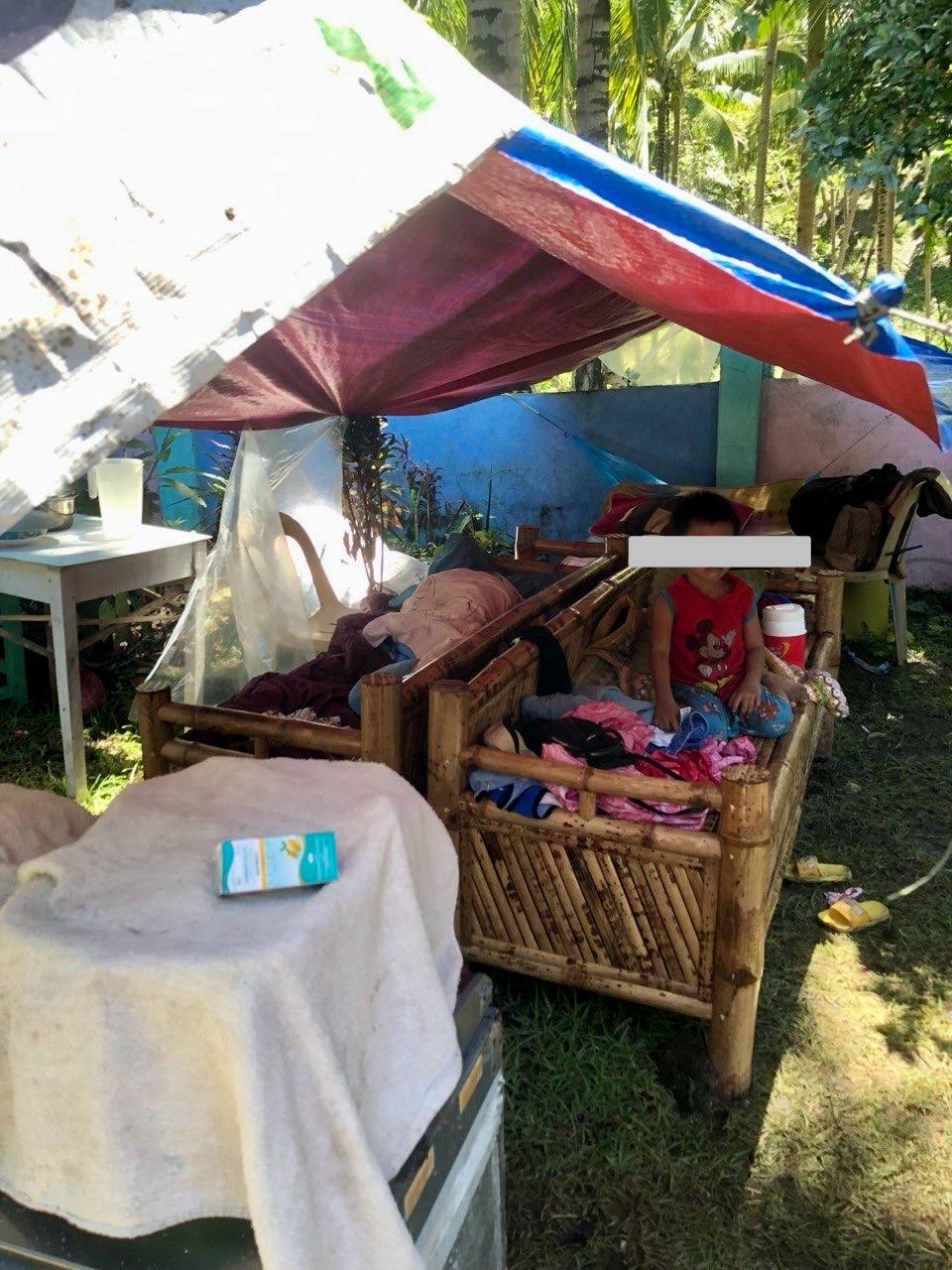
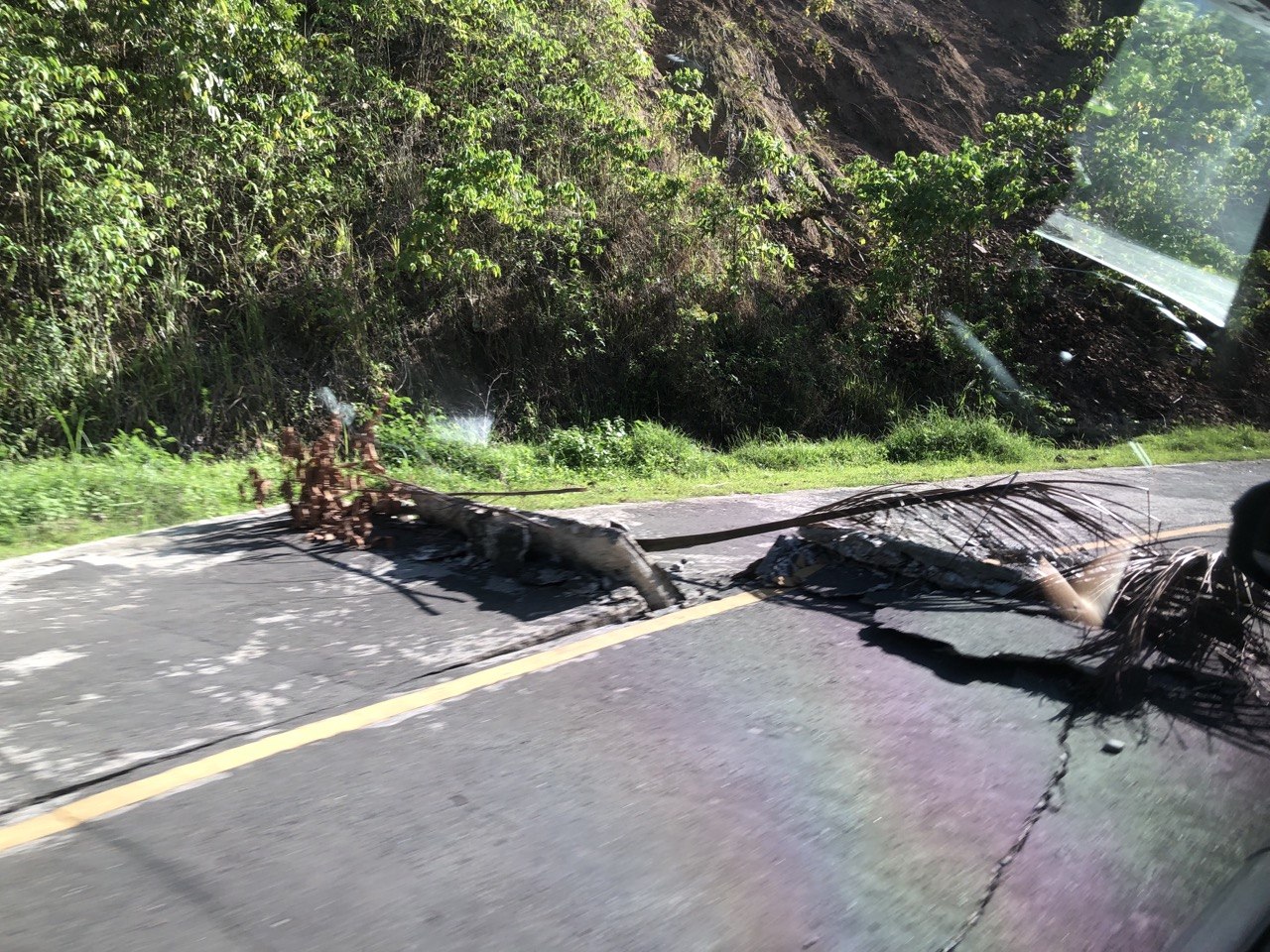
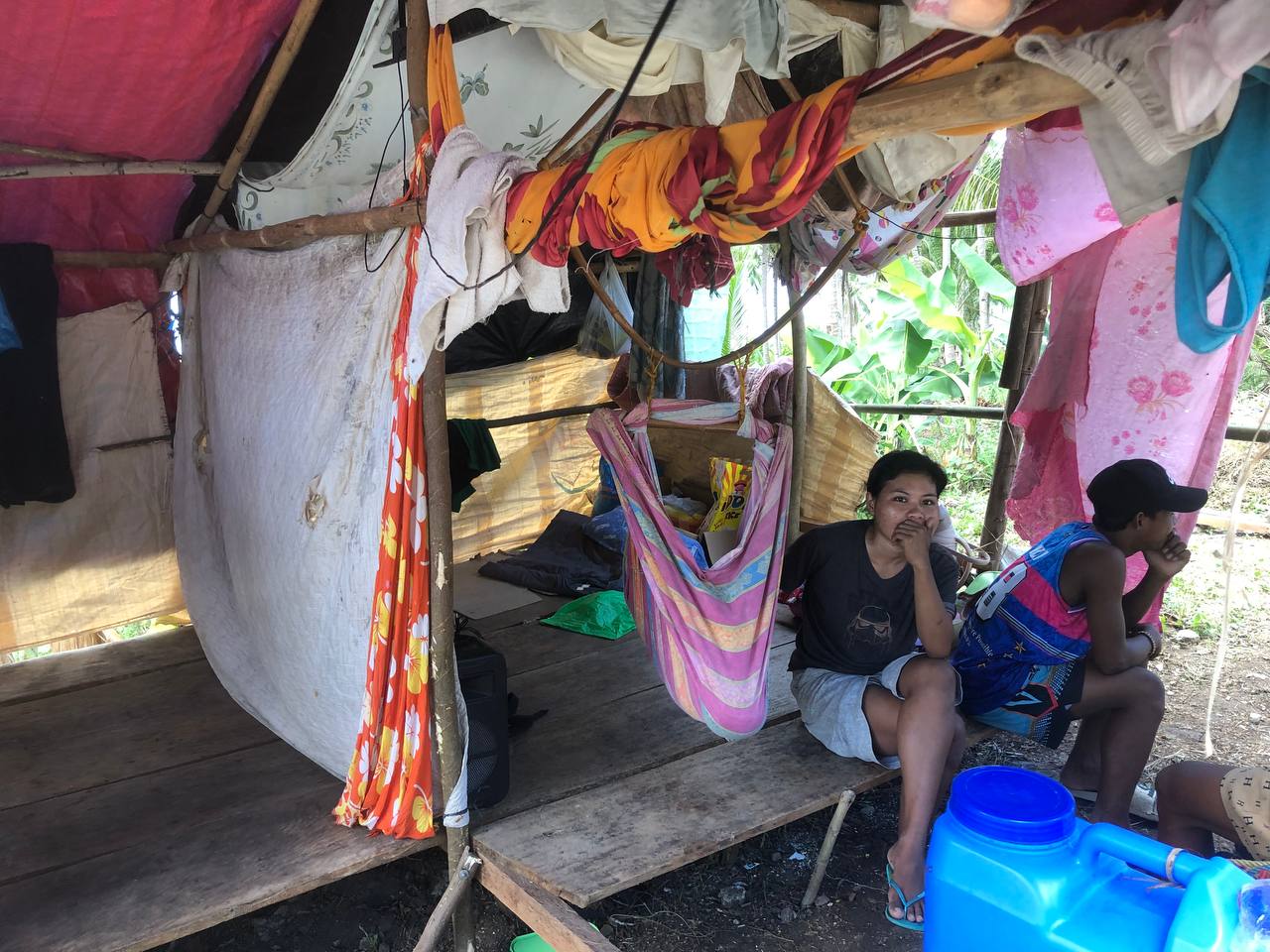
Maica, a 22-year old mother, and her family flee from the landslide at Barangay Sugal in Jose Abad Santos, Davao Occidental. She shares this makeshift tent along the road in Barangay Sugal with her 2-year old son, husband, parents and siblings. Originally from Sitio Kibayo, Maica and her family are among the 25 Manobo-B’laan families who now found temporary shelter on the side of the road in Barangay Sugal, Jose Abad Santos, Davao Occidental.
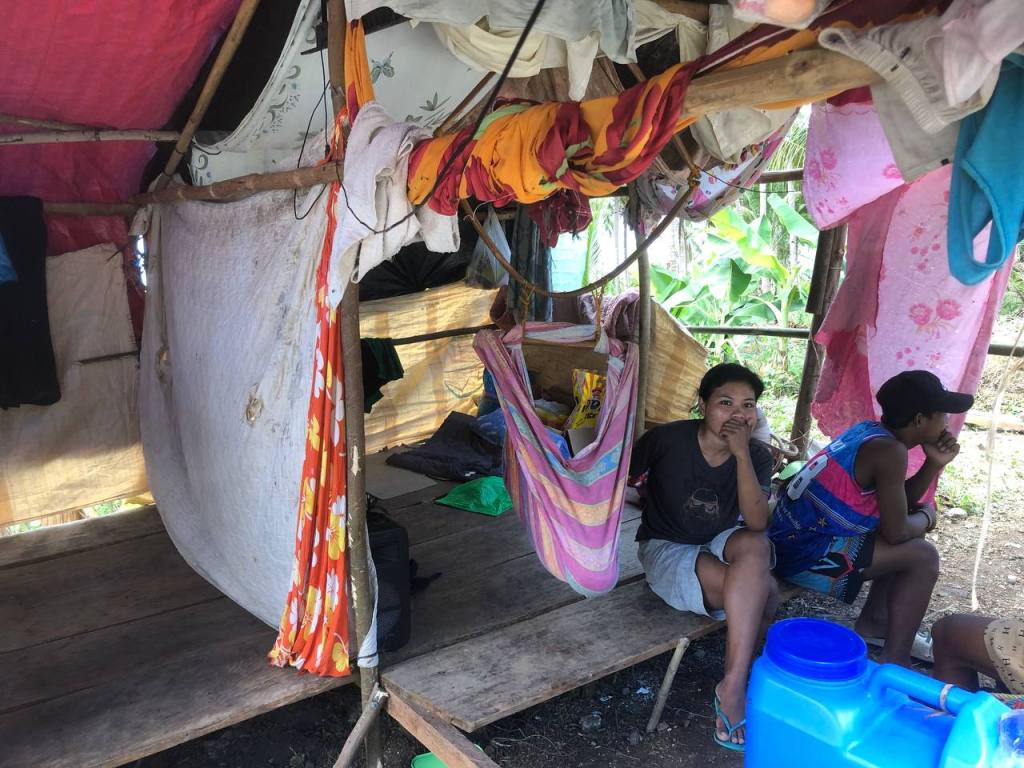
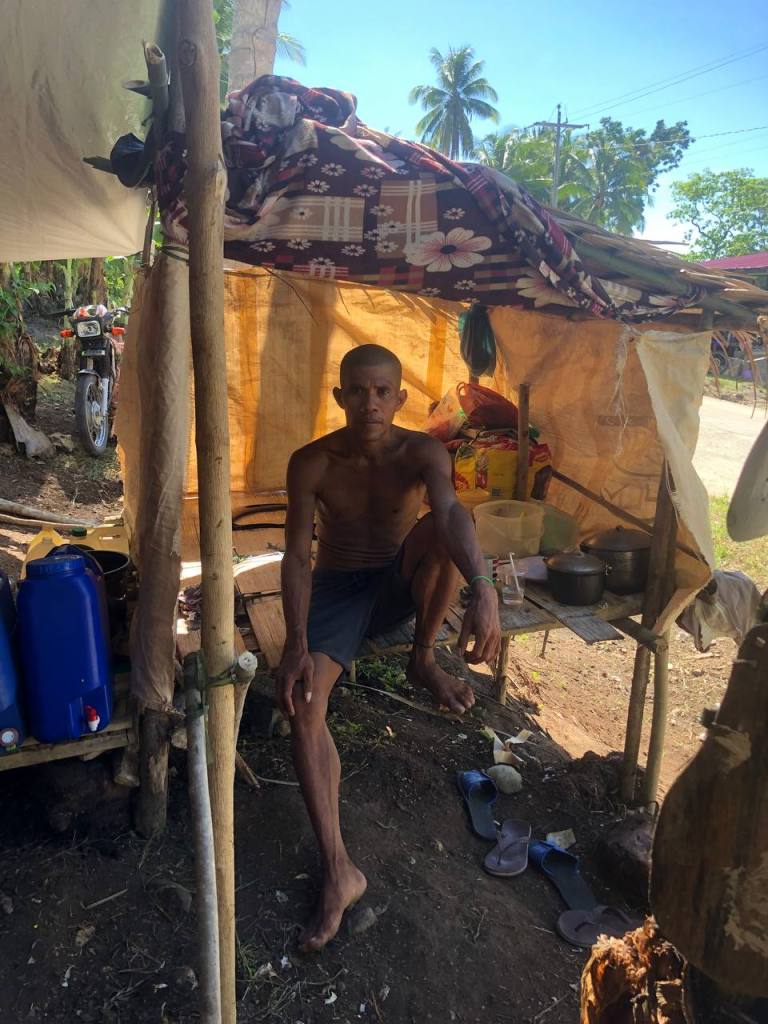
Rene, a 32-year old farm worker who lives in Sitio Katinggan, an upland village in Barangay Nuing, JAS, has also set up his family’s makeshift dwelling along the municipal road. He shares a temporary tent made of tarps and used sacks together with 4 families. A landslide devastated their village and they have nowhere else to go. Because it’s unsafe to go back to farm work, he currently relies on relief goods for their daily consumption.
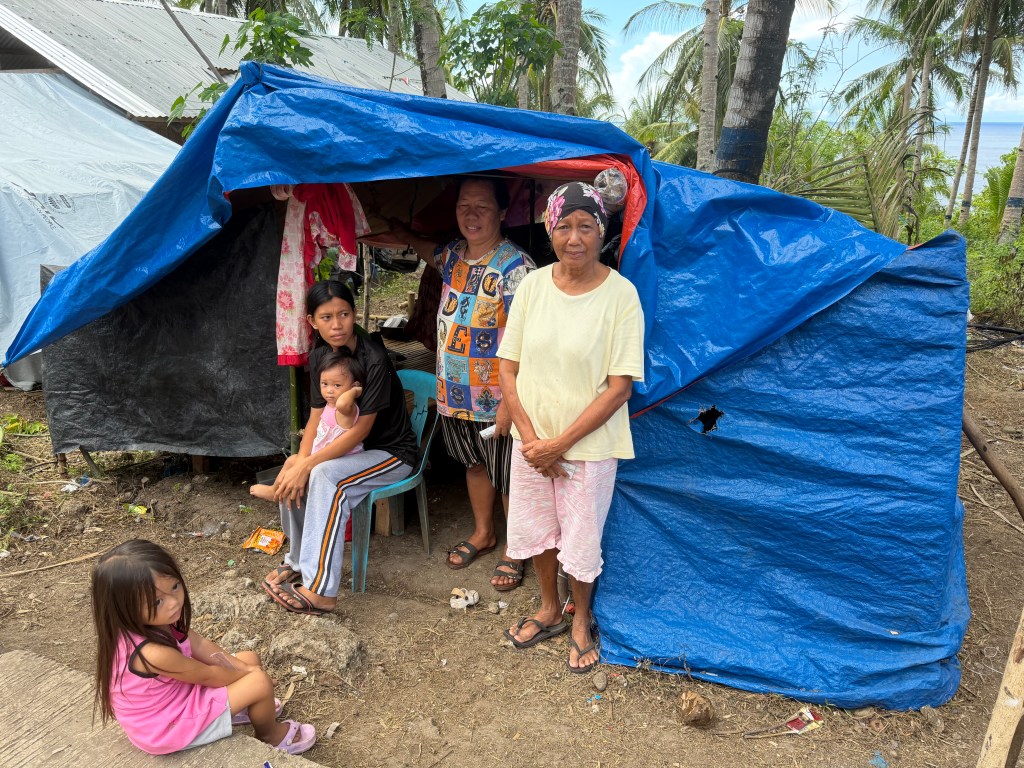
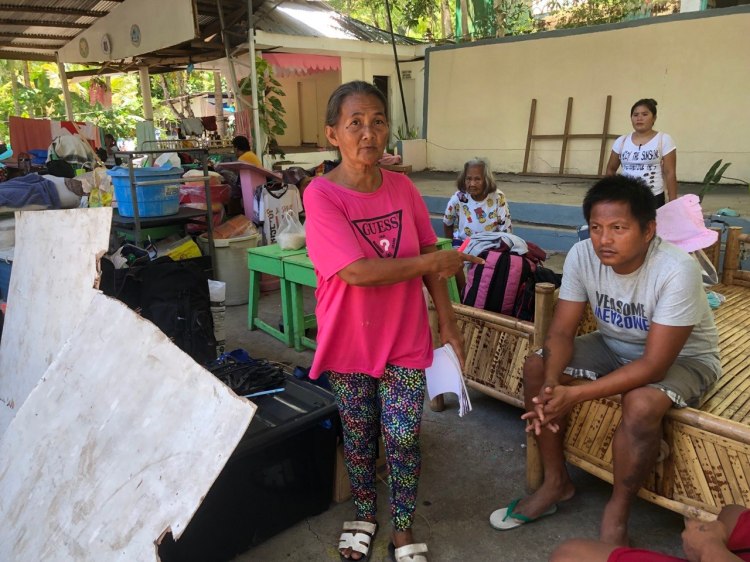
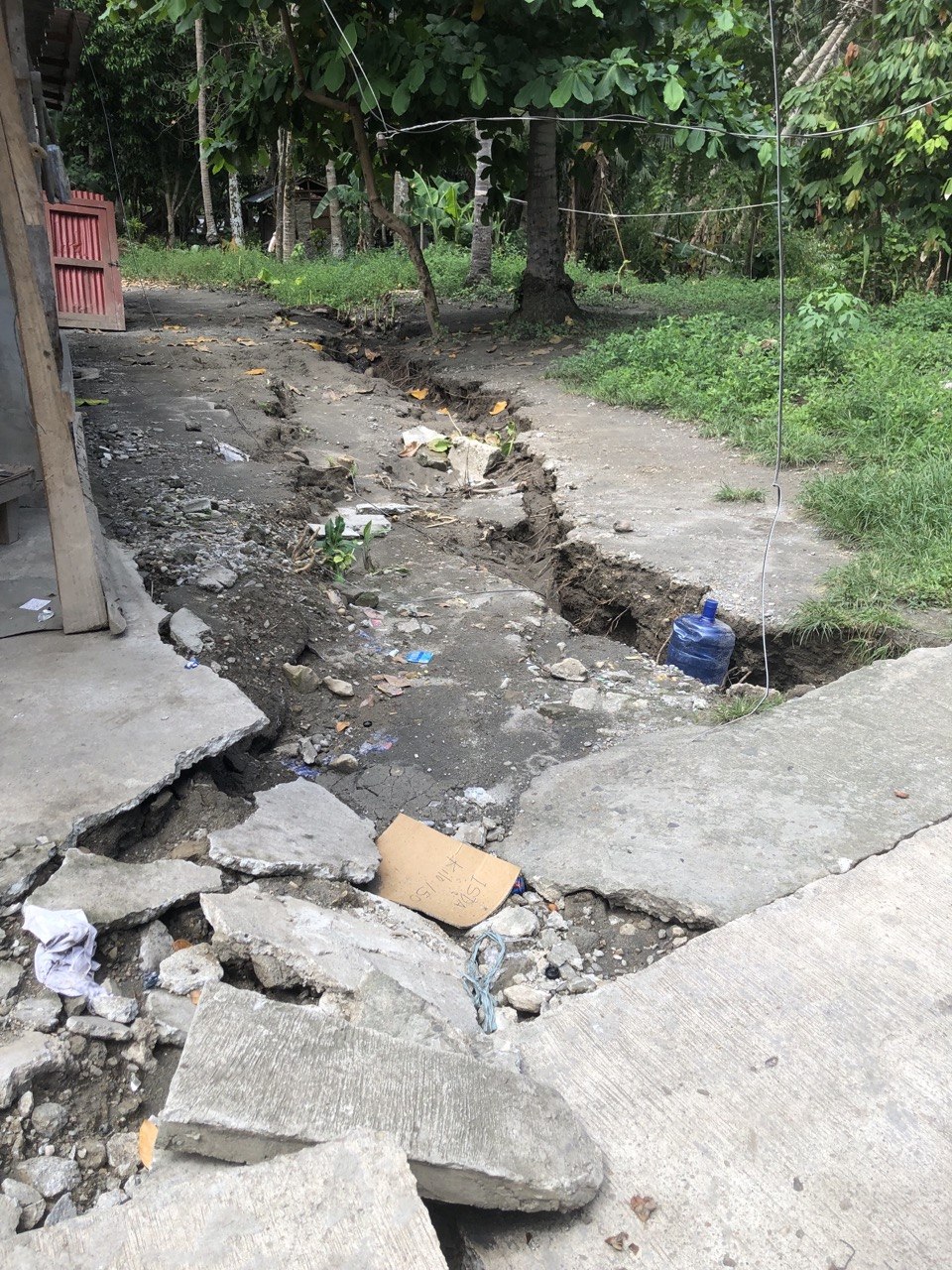
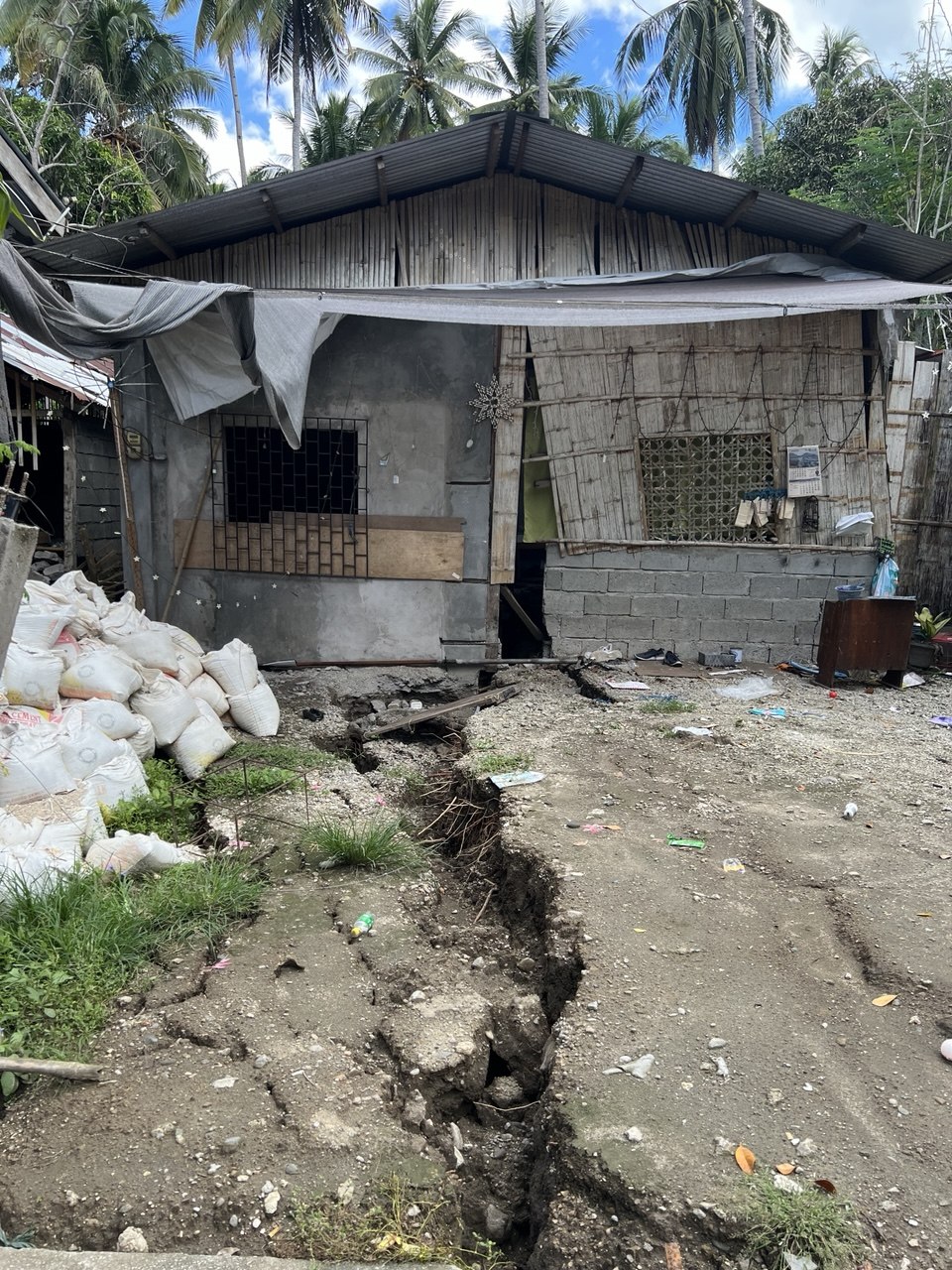
Gina’s1 family is among the 30 Muslim Sangil families who relocated along the road of Barangay Sugal, JAS. They live in the mountainous part of the barangay which was affected by a landslide due to the strong earthquake. During the earthquake, the men and women in their village quickly grabbed their children and ran to safety. They were not able to bring anything else with them, and they can no longer go back to their village because it has become a dangerous terrain. Moreover, the landslides blocked the river in between mountains, thus posing high risk for flashfloods. Some children now suffer from diarrhea, stomach pain, and cough and colds. The Muslim women are particularly requesting for hijab/tendong/veil/head scarf. Prayer mats will also be appreciated.

Update
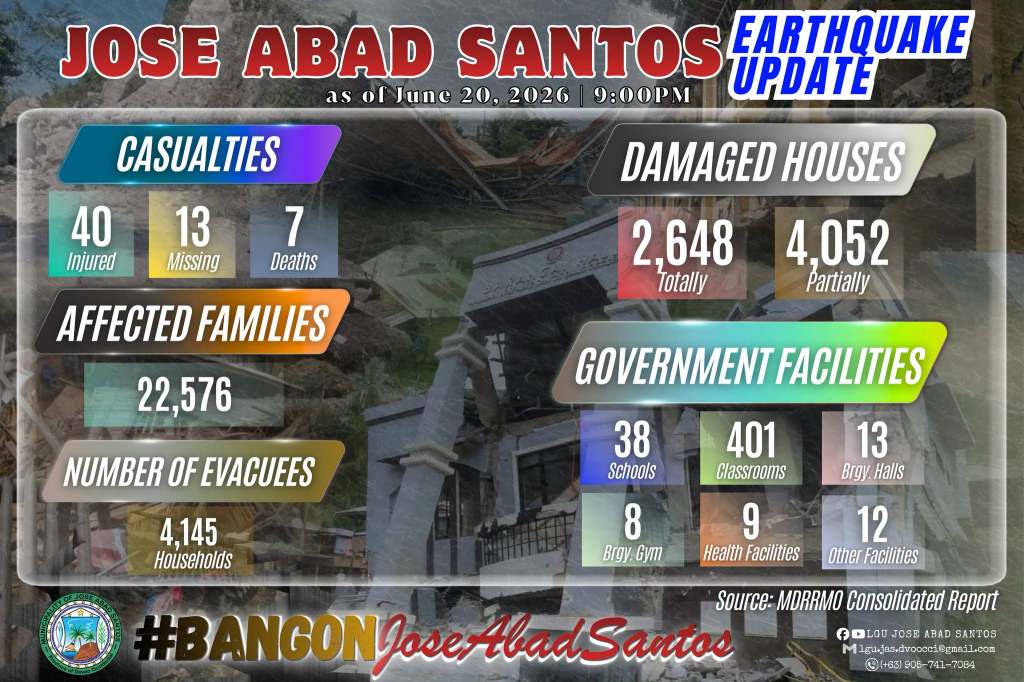
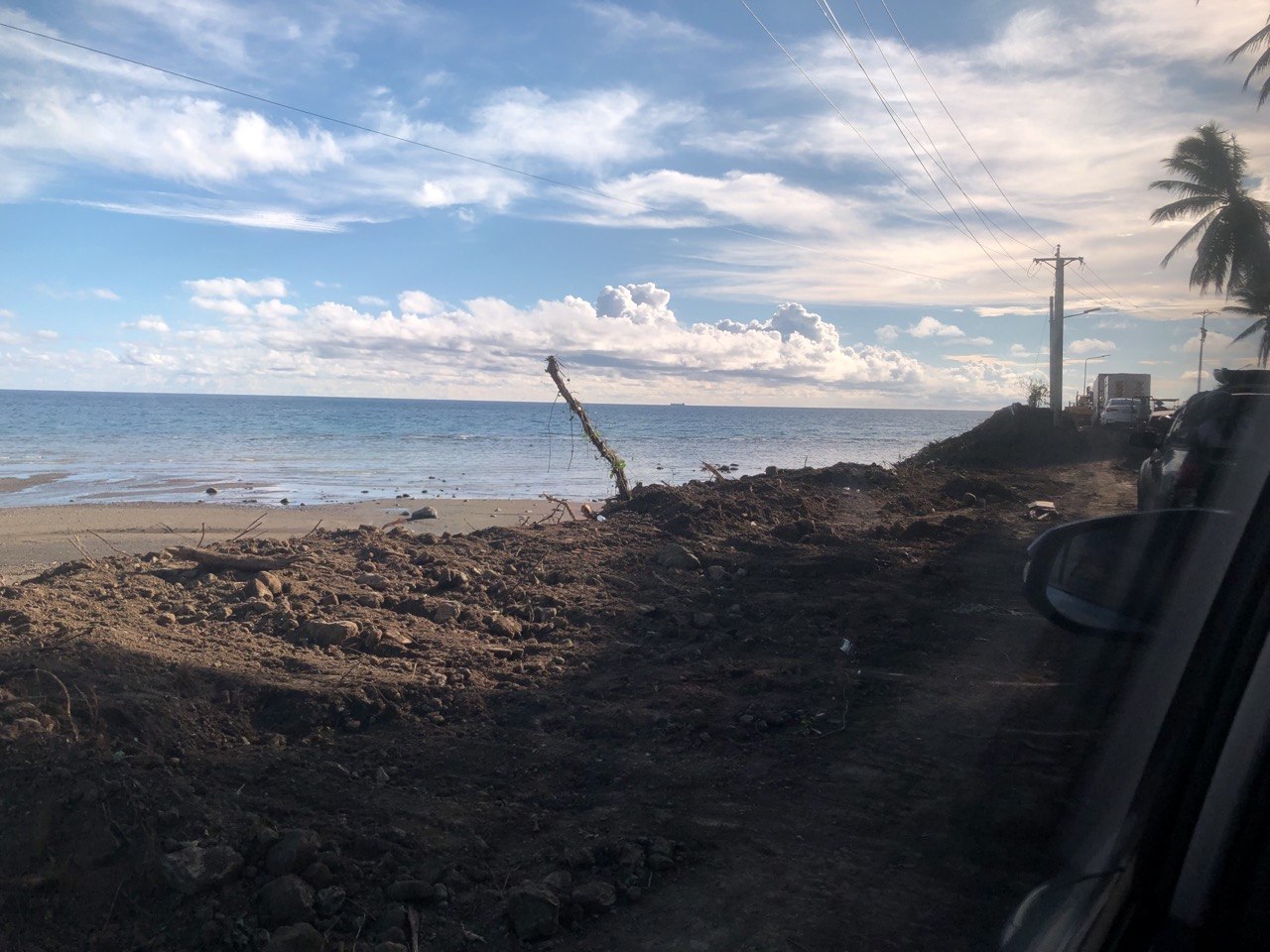
The powerful 7.8 magnitude earthquake that occurred last June 8 resulted to landslides in the mountains of Barangay Sugal in Jose Abad Santos (JAS). As of June 20, seven people have died, 13 remain missing, and 40 individuals were injured in JAS. Among the fatalities, three were recorded in Barangay Nuing, two in Camalian, one in Bukid, and one in Barangay Sugal.
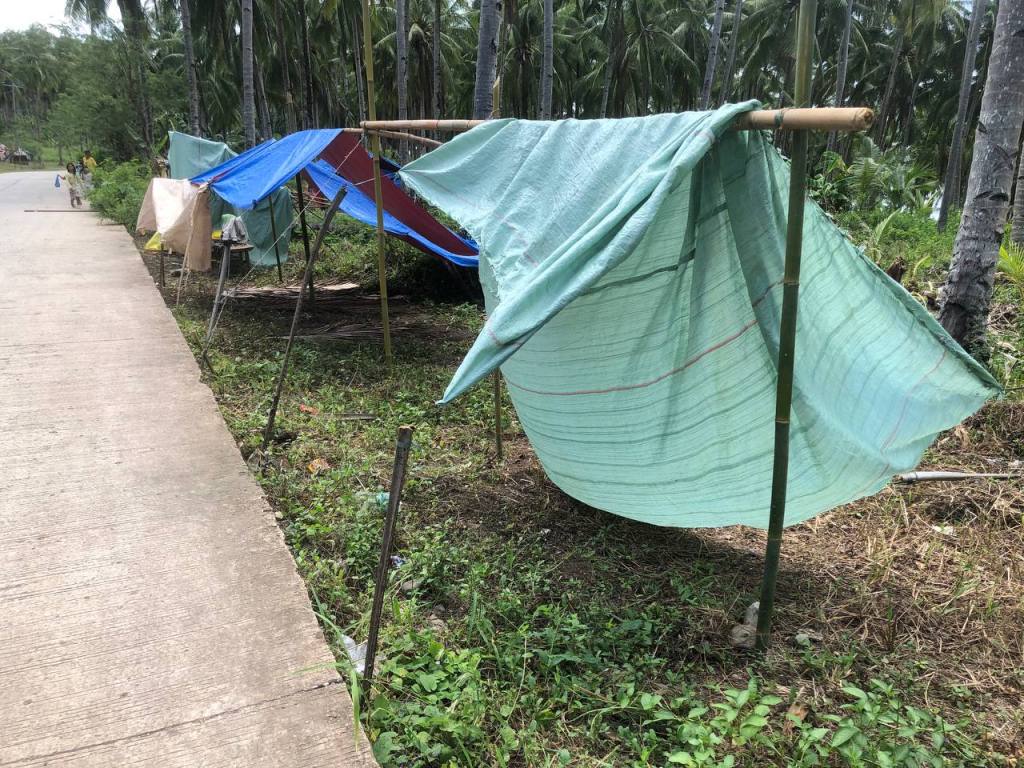
A total of 668 households or 3,349 individuals are currently displaced in Barangay Sugal, JAS2. The evacuees are in need of continuous support for daily subsistence and basic services. Potable water, sleeping kits, mosquito nets, and medicines are among the most urgent needs as per our community interviews and assessments.

Meanwhile, local authorities warned about a potential risk of destructive flashfloods. The Bureau of Fire and Protection (BFP) in JAS issued an urgent warning on Tuesday, June 16, saying that “Based on our visual assessment, the earthquake-induced river blockage is a ticking bomb”.
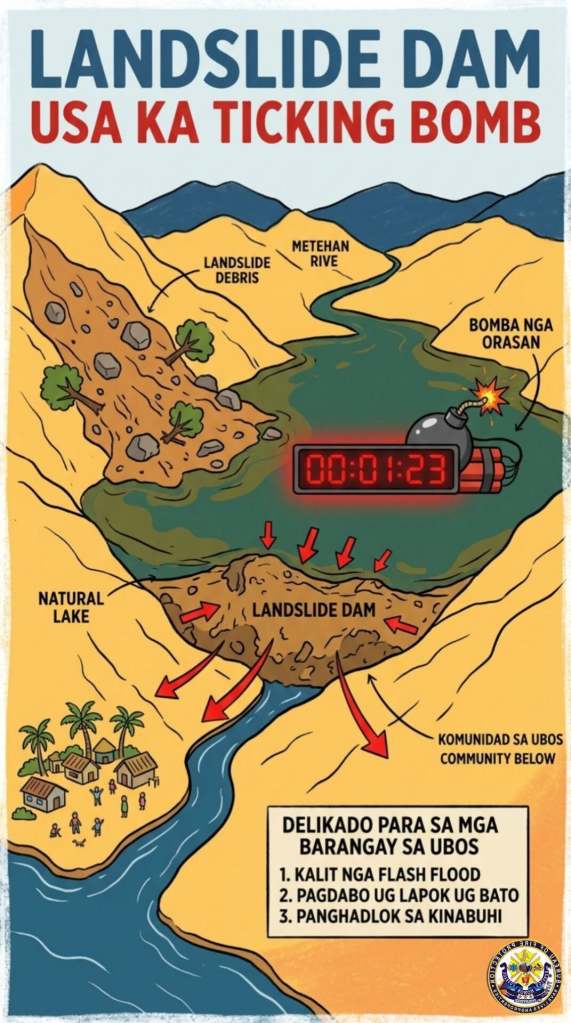
BFP-JAS cited that the continuous rainfall has caused water to pool rapidly behind soil and rocks debris. Also, the dam is not reinforced and the water pressure continues to build which might eventually lead for the barrier to break or collapse. The continuing aftershocks may also trigger a sudden collapse which will lead to a sudden flash flood, with a powerful surge carrying debris of logs, mud, and large rocks. Preemptive evacuations have been undertaken, according to local authorities.

Maica, Rene, and hundreds of families in JAS currently rely on relief goods and humanitarian support for their daily subsistence. Potable water, sleeping kits, medical services, and other essentials are still needed.

MINCODE, AADC, other MINCODE Members, Non-Government Organizations (NGOs), Cooperatives, Foundations, and other civic groups and individuals continue to respond to this humanitarian crisis.

If you are able, please help in any way you can.

— — —

Footnotes:
  1. Not her real name ↩︎
  2. Data as of June 19, 2026 from MSWDO. ↩︎

Magnitude 7.8 Sarangani Earthquake: What Happened and How You Can Help

Situation Overview

  • On June 8, 2026 at around 7:30am, a magnitude 7.8 earthquake struck 32 kilometers offshore of the Municipality of Maasim in Sarangani Province, with a depth of 33 km along the Cotabato Trench, caused by thrust faulting between the Philippine Sea and Sunda plates. It is the strongest earthquake in the Philippines since 1990, with a maximum intensity of VIII (very destructive). 
  • As of June 12, 2026, the National Disaster Risk Reduction and Management Council (NDRRMC) reported 61 deaths, 1,221 injuries, and 31 missing in the Philippines. The earthquake affected a total of 43,716 families or 197,750 persons in 231 barangays in Regions IX, XI, XII and BARMM. Emergency evacuations were conducted for around 10,000 families living in coastal areas in Sarangani and Sultan Kudarat due to tsunami warnings. Over 3,000 aftershocks have been recorded, including magnitudes up to 6.7, and aftershocks may continue for weeks. 
  • Essential services were disrupted as some roads and bridges were damaged. Telecommunications, electric power and water supplies were also disrupted. Classes were suspended. The General Santos City Airport is still currently unoperational. 
  • At least 25,000 people remain displaced. There are 15,960 persons currently taking temporary shelter in 31 evacuation centers in Regions XI and XII, and 9,041 persons temporarily staying with their relatives or friends. A total of 7,866 houses were damaged; of which 1,596 were totally damaged and 6,270 were partially damaged.
  • The Sarangani Provincial Government declared a State of Calamity to facilitate relief and recovery operations. The DSWD has provided a total of P21,378,397.98 worth of assistance to the affected families. 
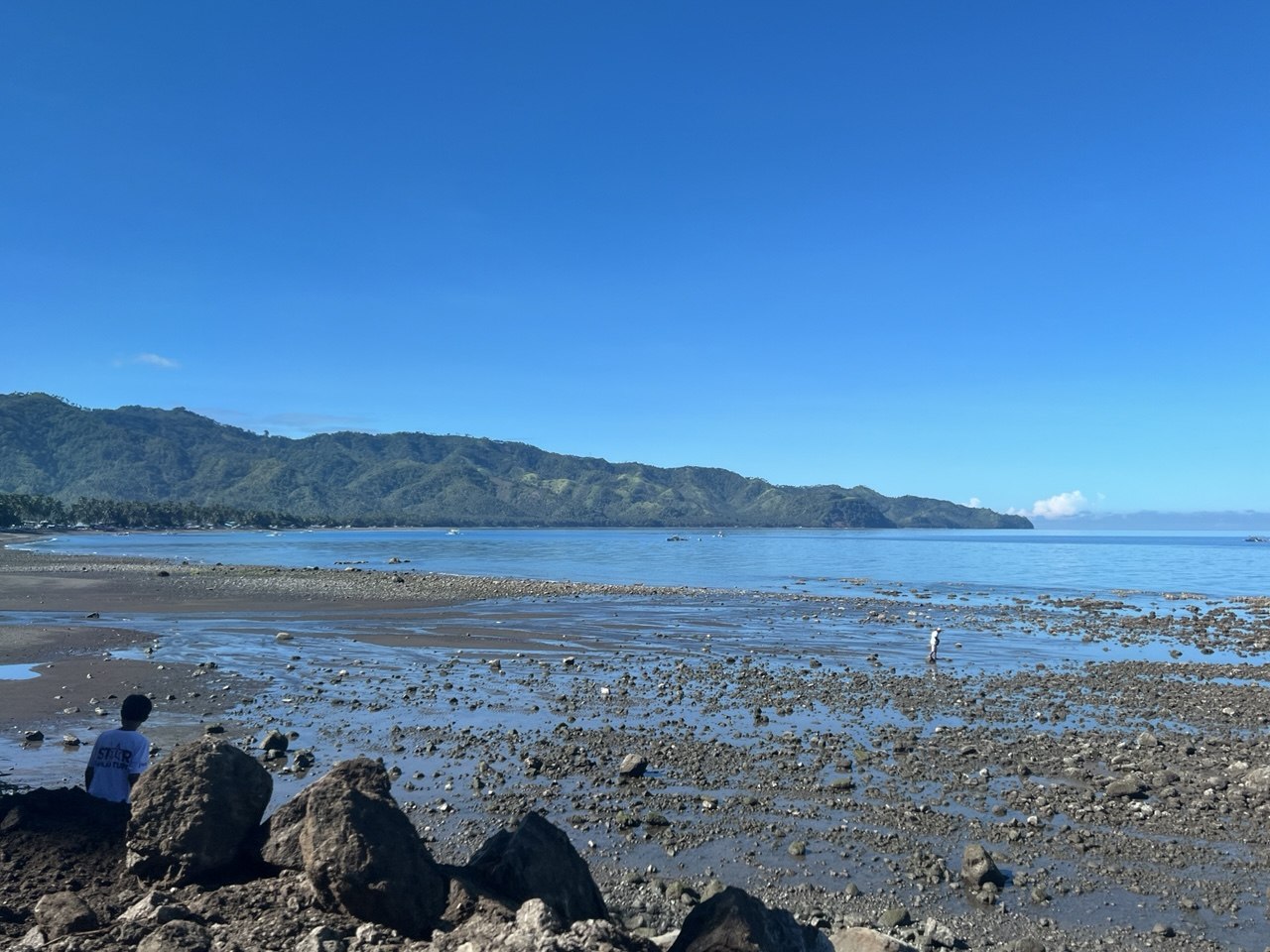
  • Ecologically, the powerful earthquake “pushed upward part of the coastlines of Sarangani and Davao Occidental …exposing the bottom of the sea that was originally submerged”, said PHIVOLCS in a statement. The quake raised the seabed by as much as two meters which exposed corals and harmed marine life, and extended the shoreline in Sarangani and Davao Occidental by as much as 200 meters. 
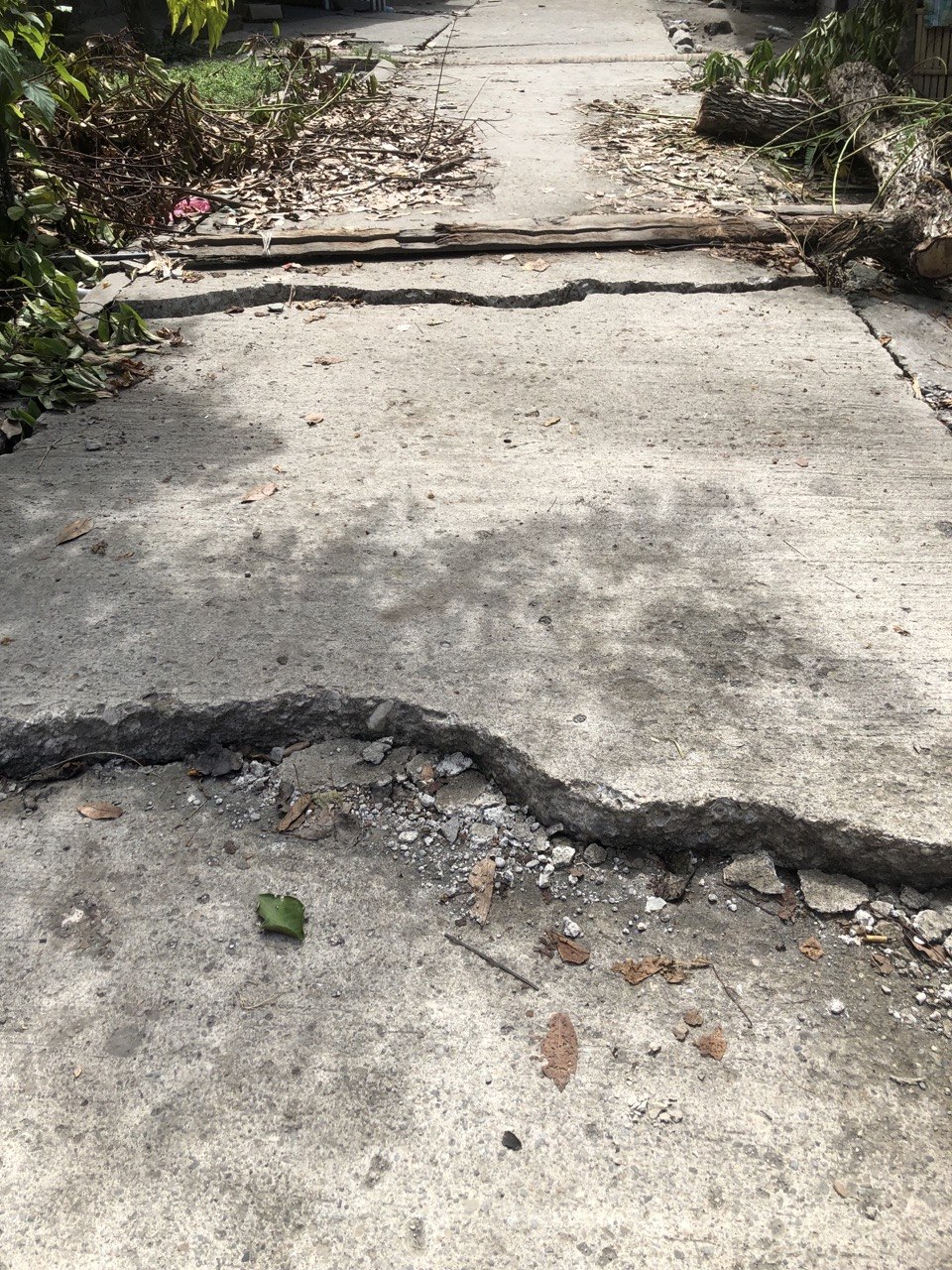
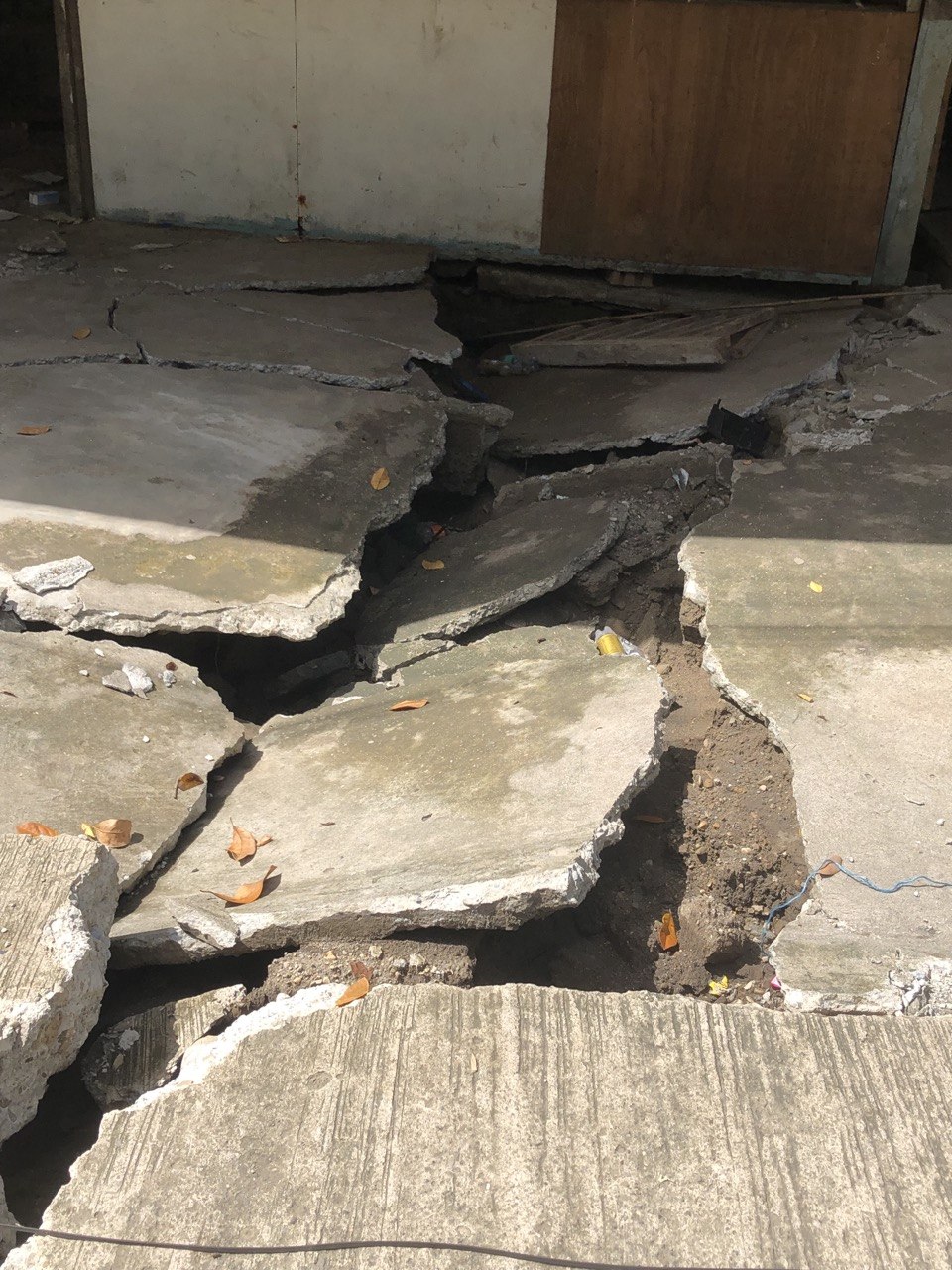
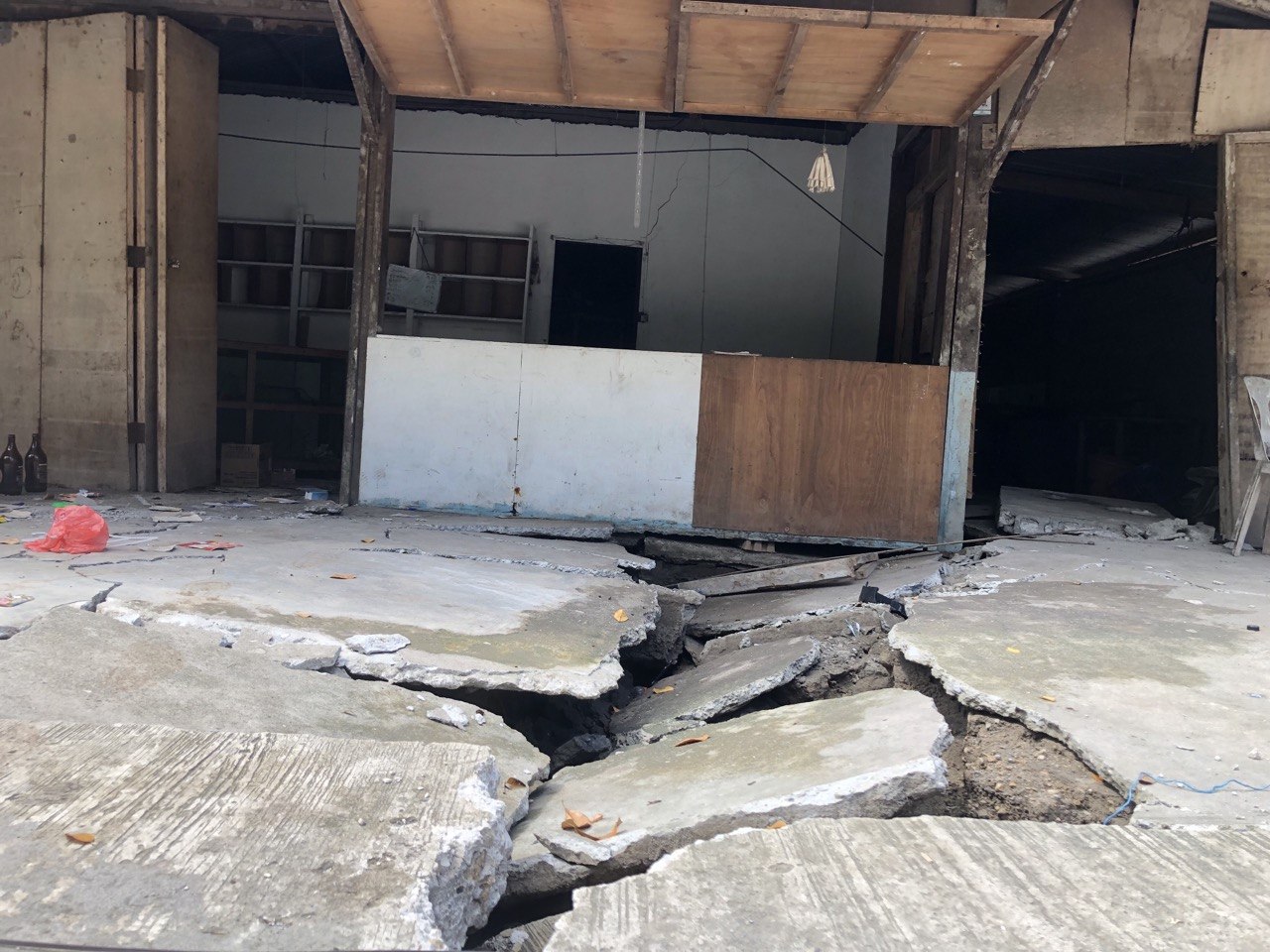
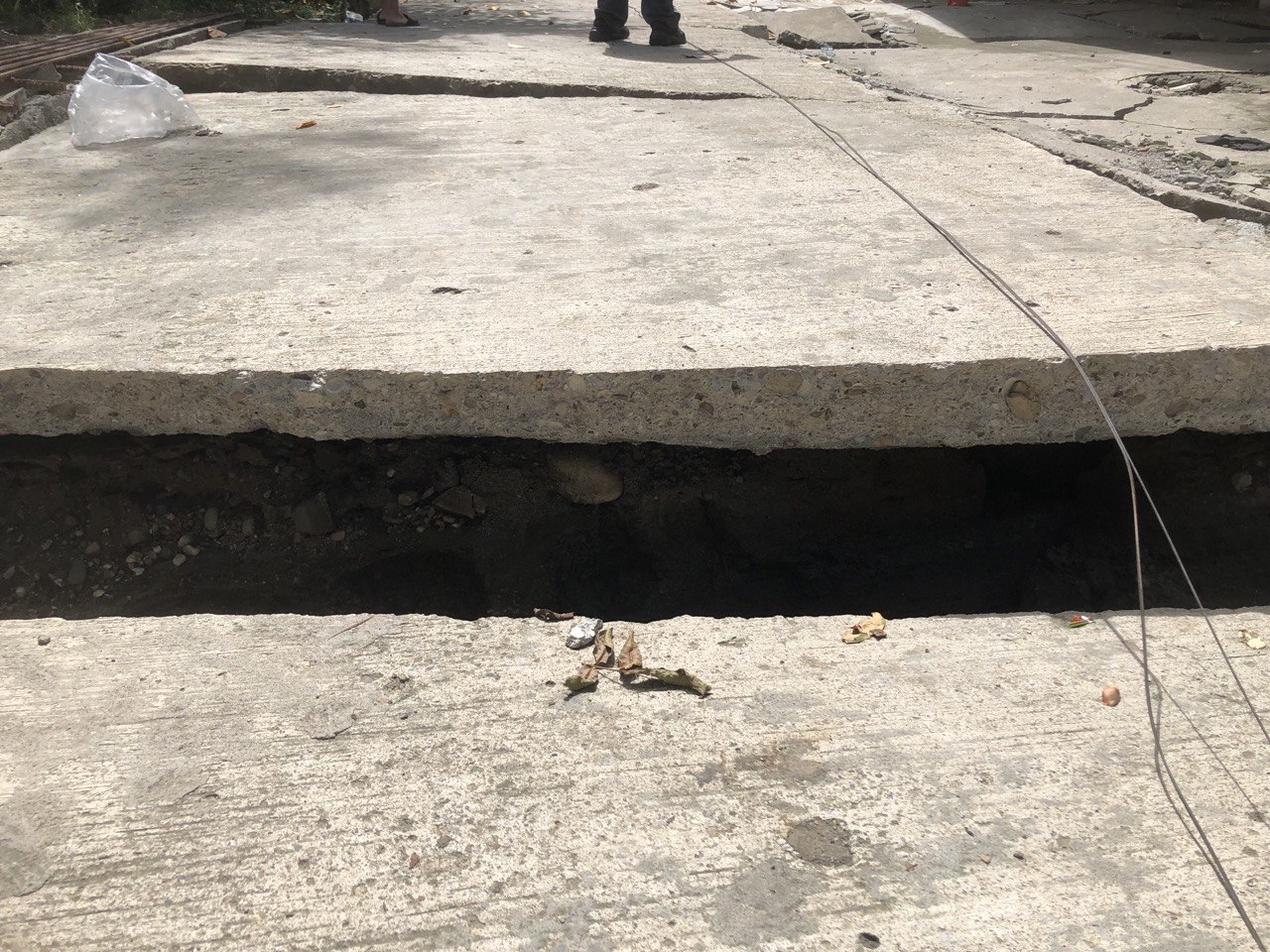
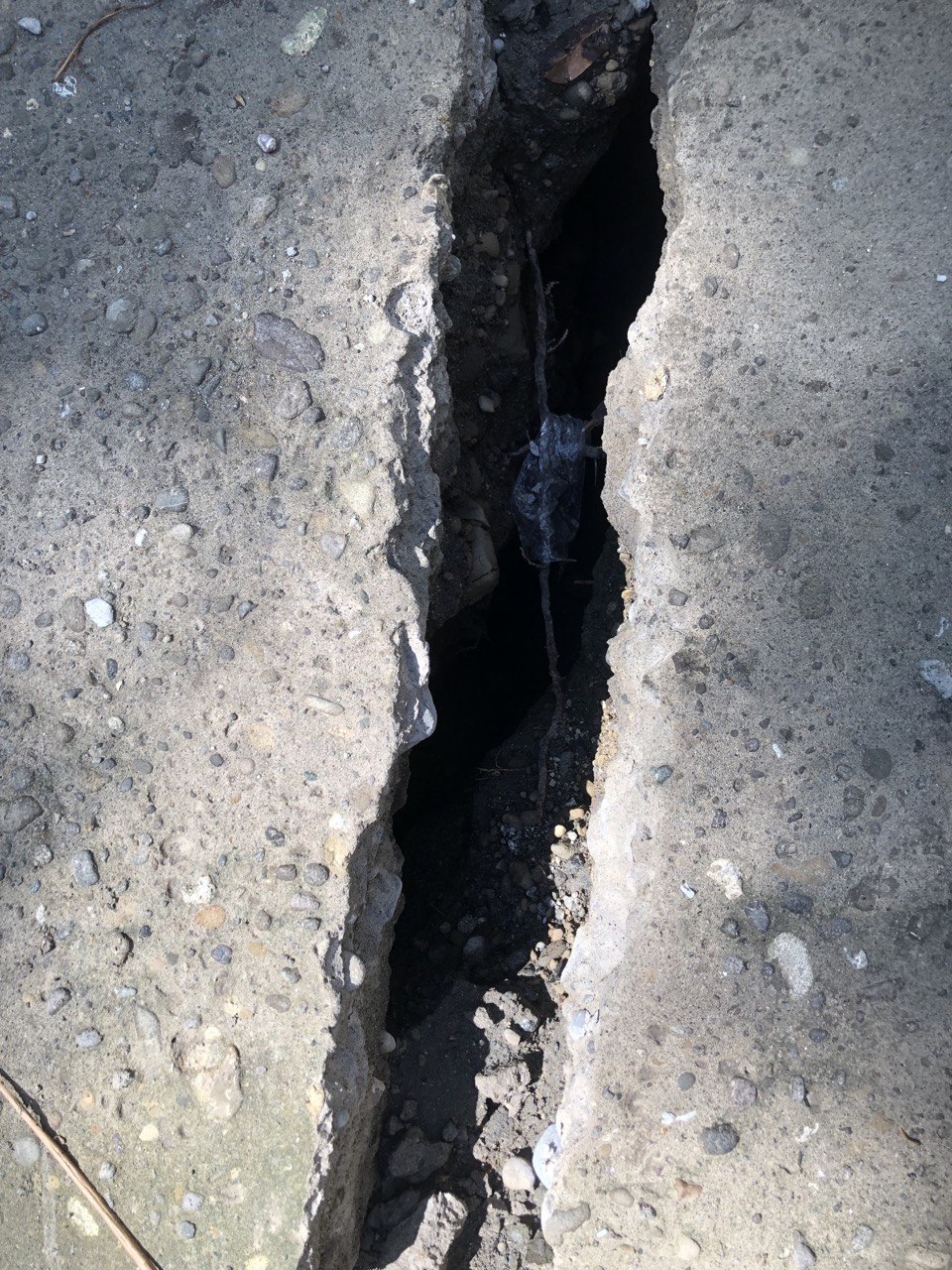
  • Soil liquefaction of residential areas have been observed and reported in JAS, rendering at least 2 entire puroks in Barangay Butulan, JAS, unsafe for dwelling. All residents in these puroks have voluntarily evacuated and do not wish to return especially as aftershocks continue to be felt every now and then. 

Response Actions 

  • The Government continues to lead the response actions. The National Disaster Risk Reduction and Management Council (NDRRMC) reported that a large-scale search, rescue and retrieval operations were undertaken and at least 2,784 personnel from the Armed Forces of the Philippines, Philippine National Police, Philippine Coast Guard, and Bureau of Fire Protection were deployed, with additional responders on standby if needed. The DSWD leads in the immediate provision of relief goods, including delivery of family food packs, ready-to-eat meals, and non-food items. The DSWD has a P790.39 million Quick Response Fund (QRF) at the DSWD Central Office and P14.65 million available at DSWD Field Offices in Regions IX, X, XI, XII, and CARAGA. 
  • On June 9, an adhoc UN Humanitarian Country Team was convened to provide key updates and continue to support and complement government efforts with technical assistance and mobilization of support. International and Local NGOs, including the Mindanao Coalition of Development NGO Networks (MINCODE) and Agri-Aqua Development Coalition (AADC), as well as private sector groups, have mobilized teams for assessment and immediate humanitarian actions.
  • Based on initial data gathered by MINCODE and AADC, the following areas are currently being served by various organizations: General Santos City, Koronadal City, Malapatan, and Glan. Time and time again, we witness how Filipinos and the humanitarian community are ready to extend a helping hand for families who need help during crisis. Local civil society organizations, foundations, and cooperatives were immediately positioned to conduct assessments, coordinate with authorities, and provide the needed support.

Gaps and Needs

  • In coordination with local government units and considering available information on the operational presence of other humanitarian organizations, it appears that some severely affected communities are still unreached or underserved. The municipality of Jose Abad Santos (JAS) in Davao Occidental, as well as Balut Island and Sarangani Island, the Municipality of Maasim in Sarangani Province, and other far-flung municipalities in South Cotabato have received very limited support or none at all.  
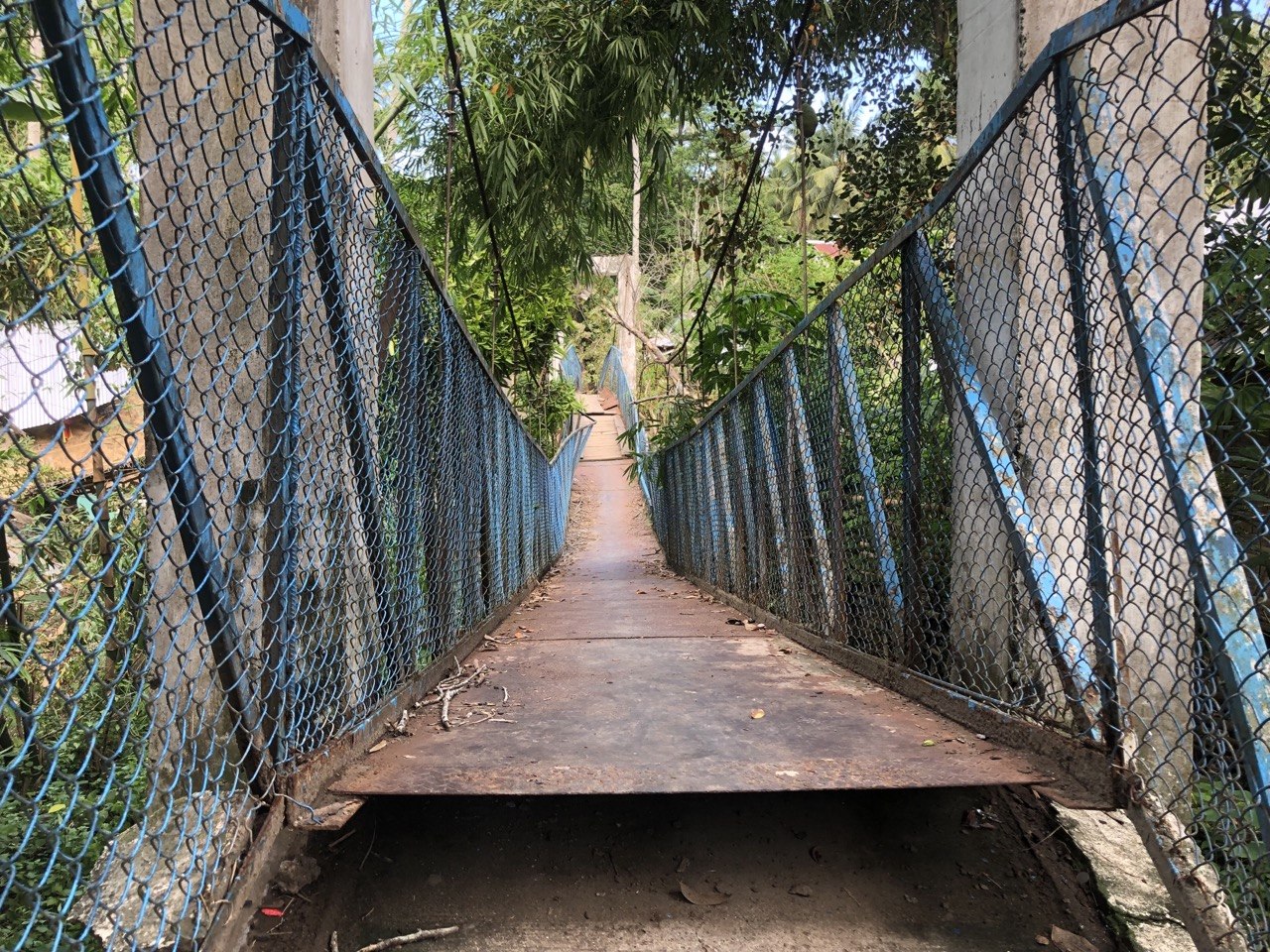
  • Jose Abad Santos (JAS) is a coastal town and the southernmost municipality of Mindanao. It consists of 26 barangays. JAS has a wide stretch of mangroves and is known for milkfish and tilapia breeding, as well as copra production. Even prior to the earthquake, road condition was poor and its road network was mostly unpaved. Most of the river crossings have no bridges and travelers have to wait for water to subside after rainfall before the river could become accessible again.
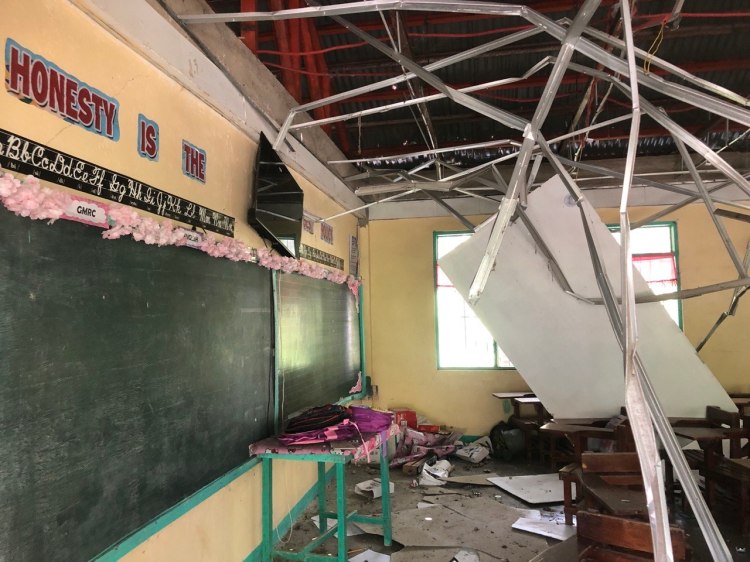
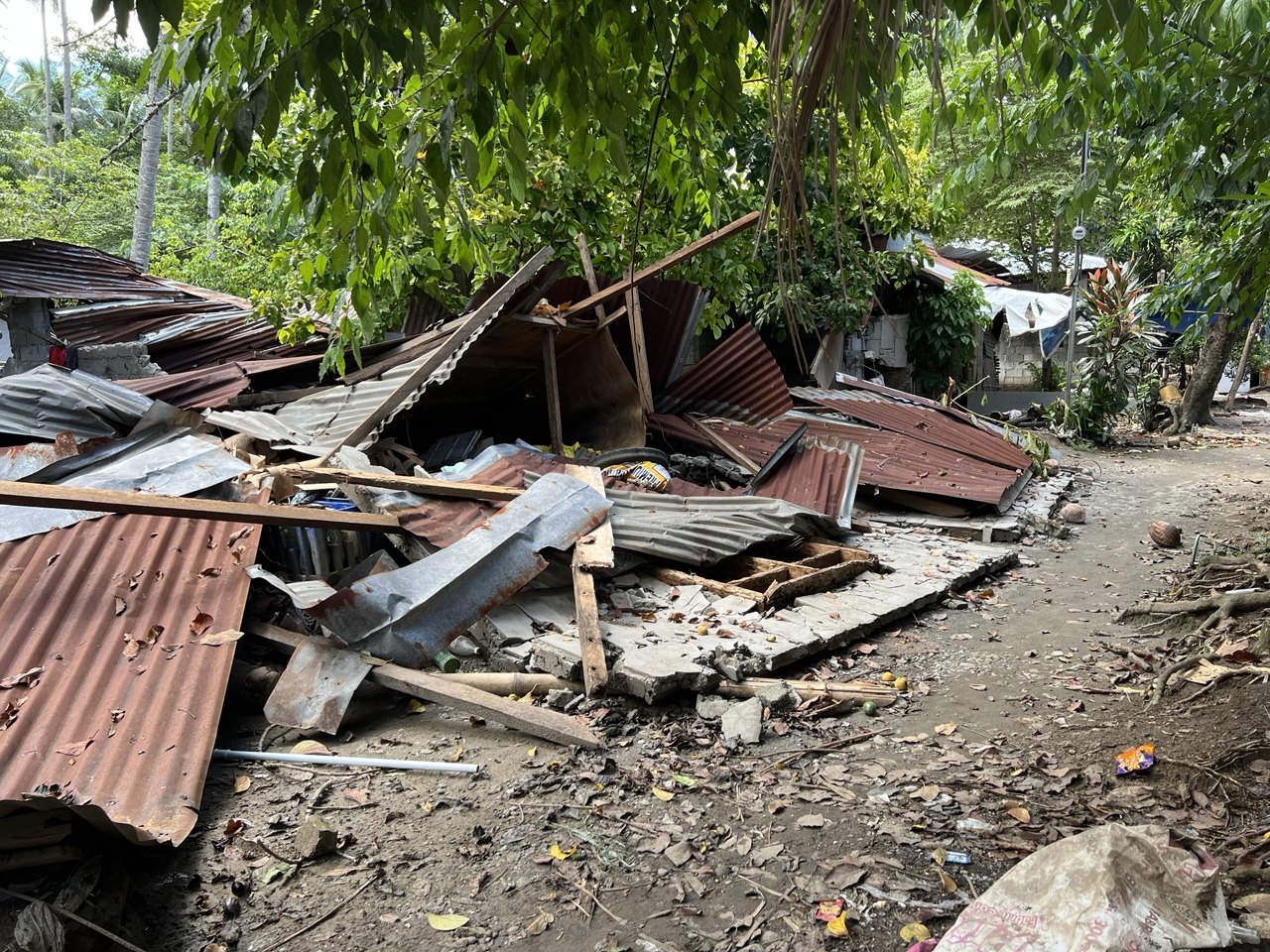
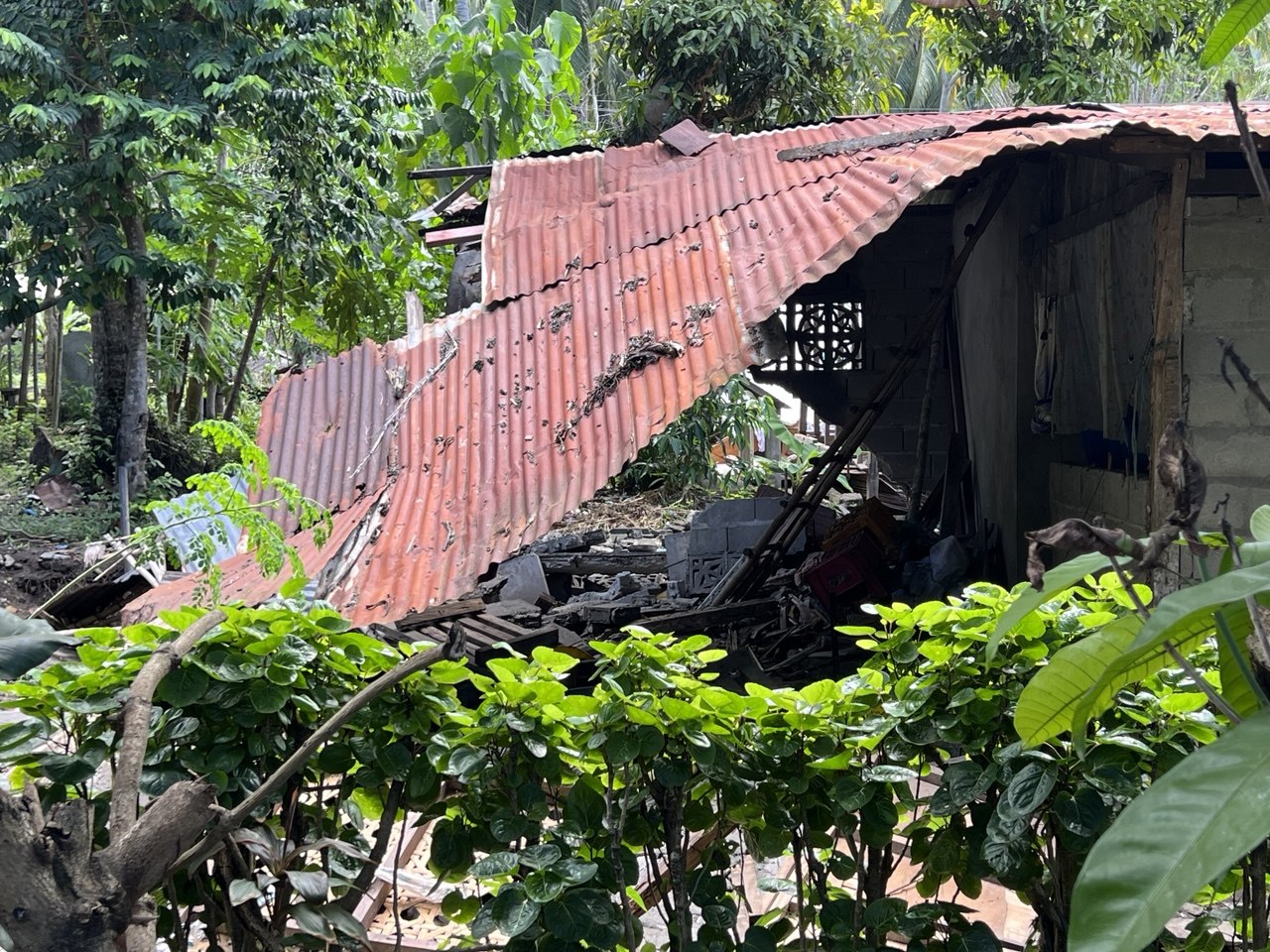
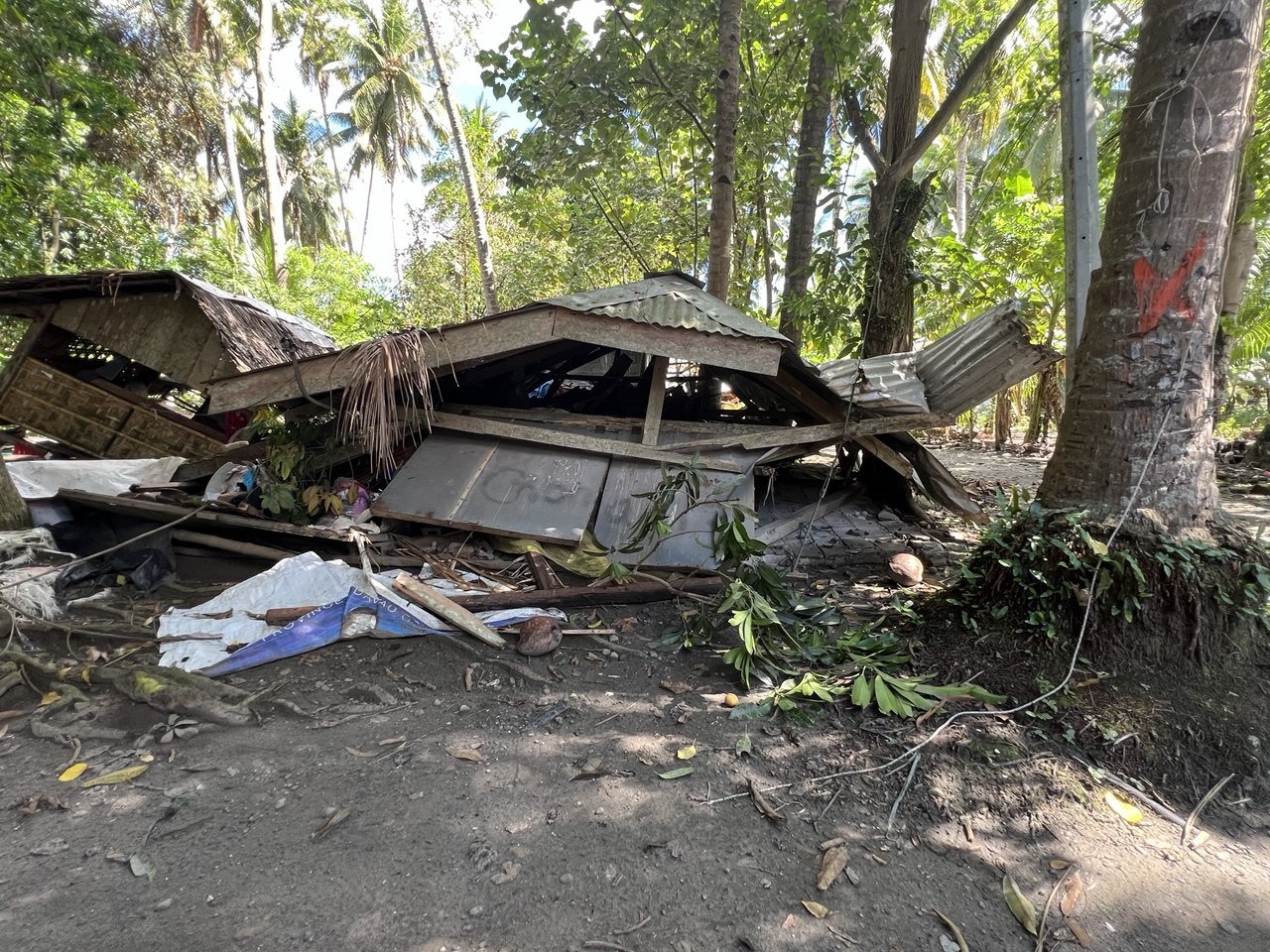
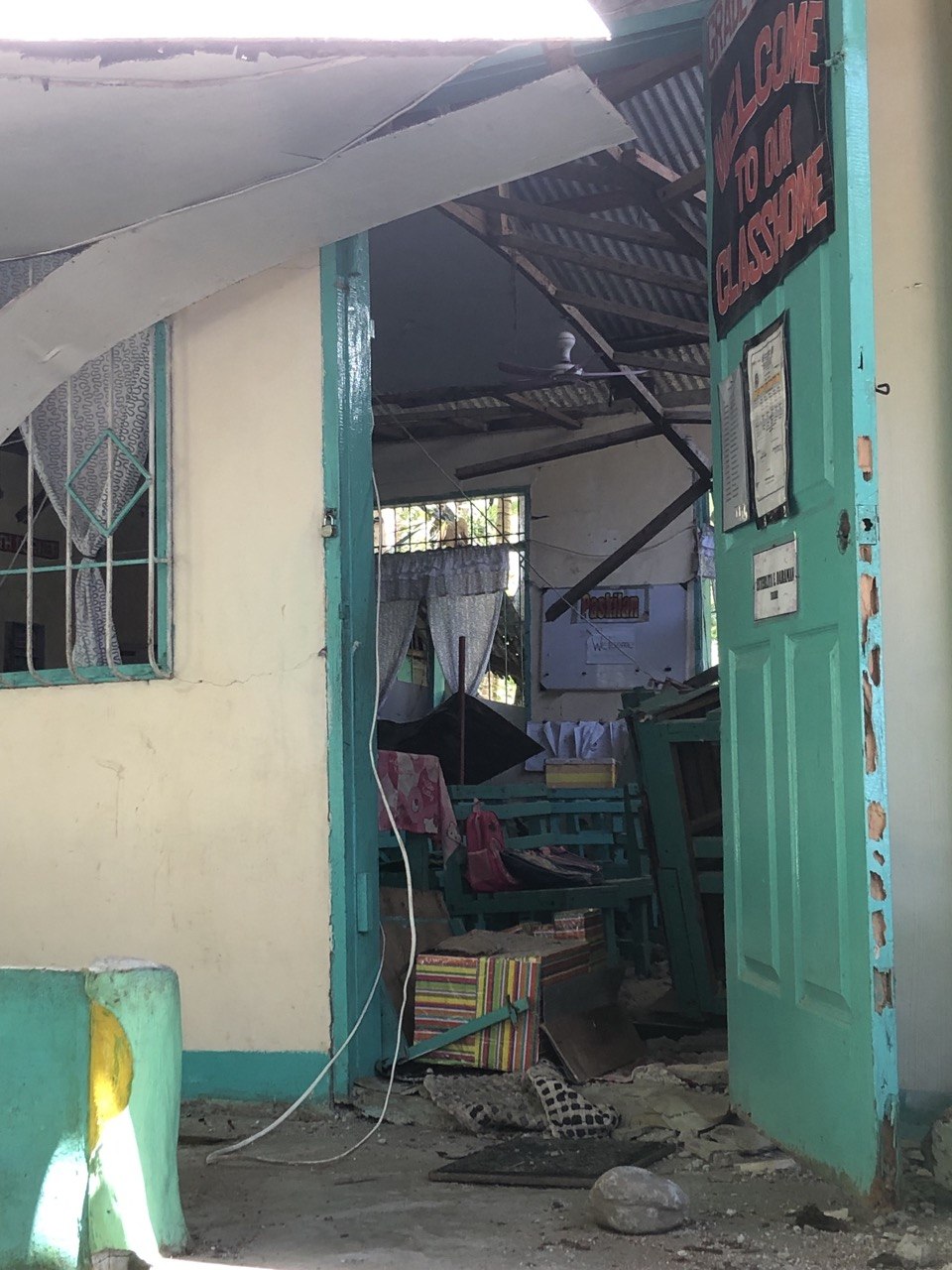
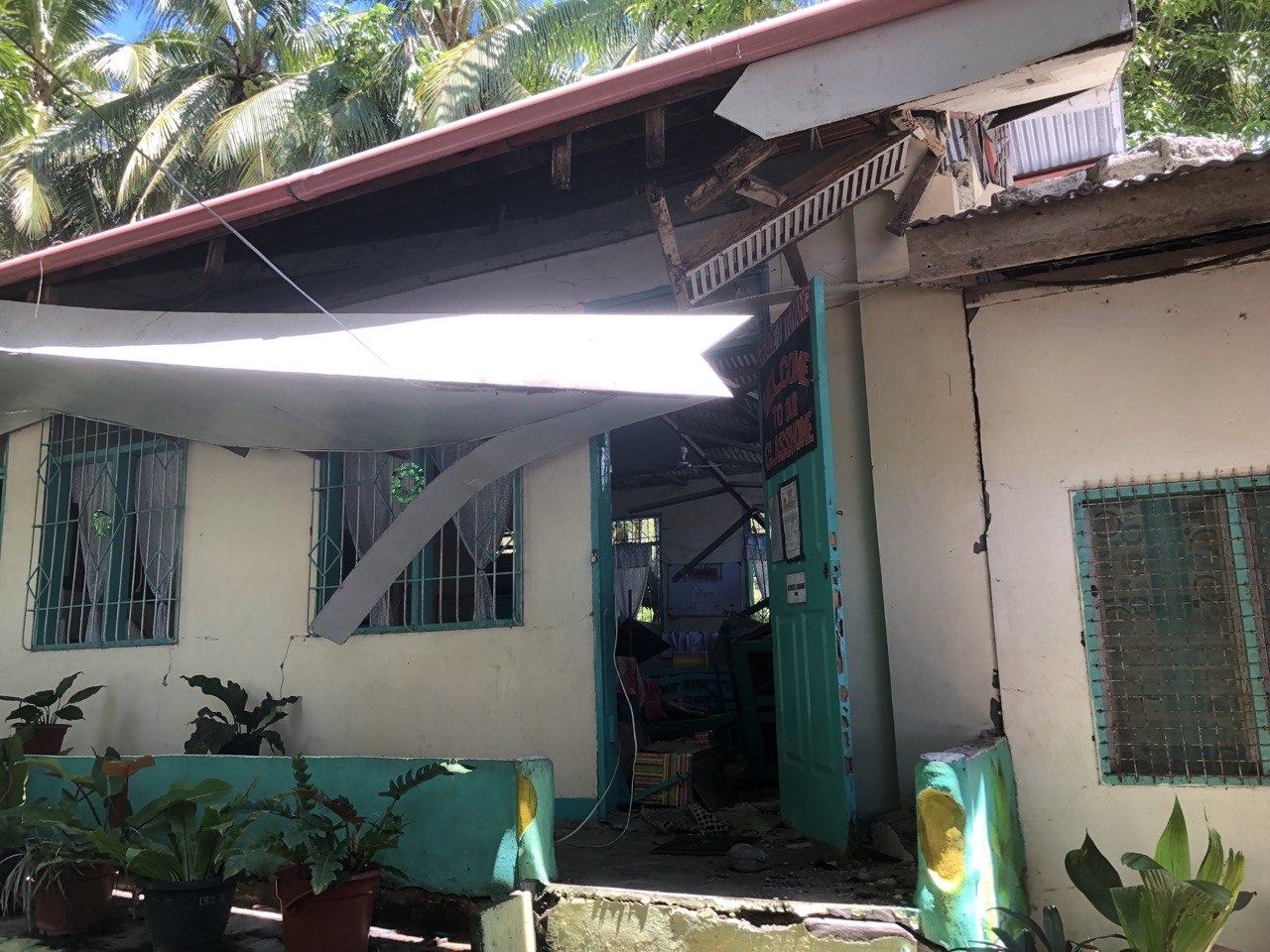
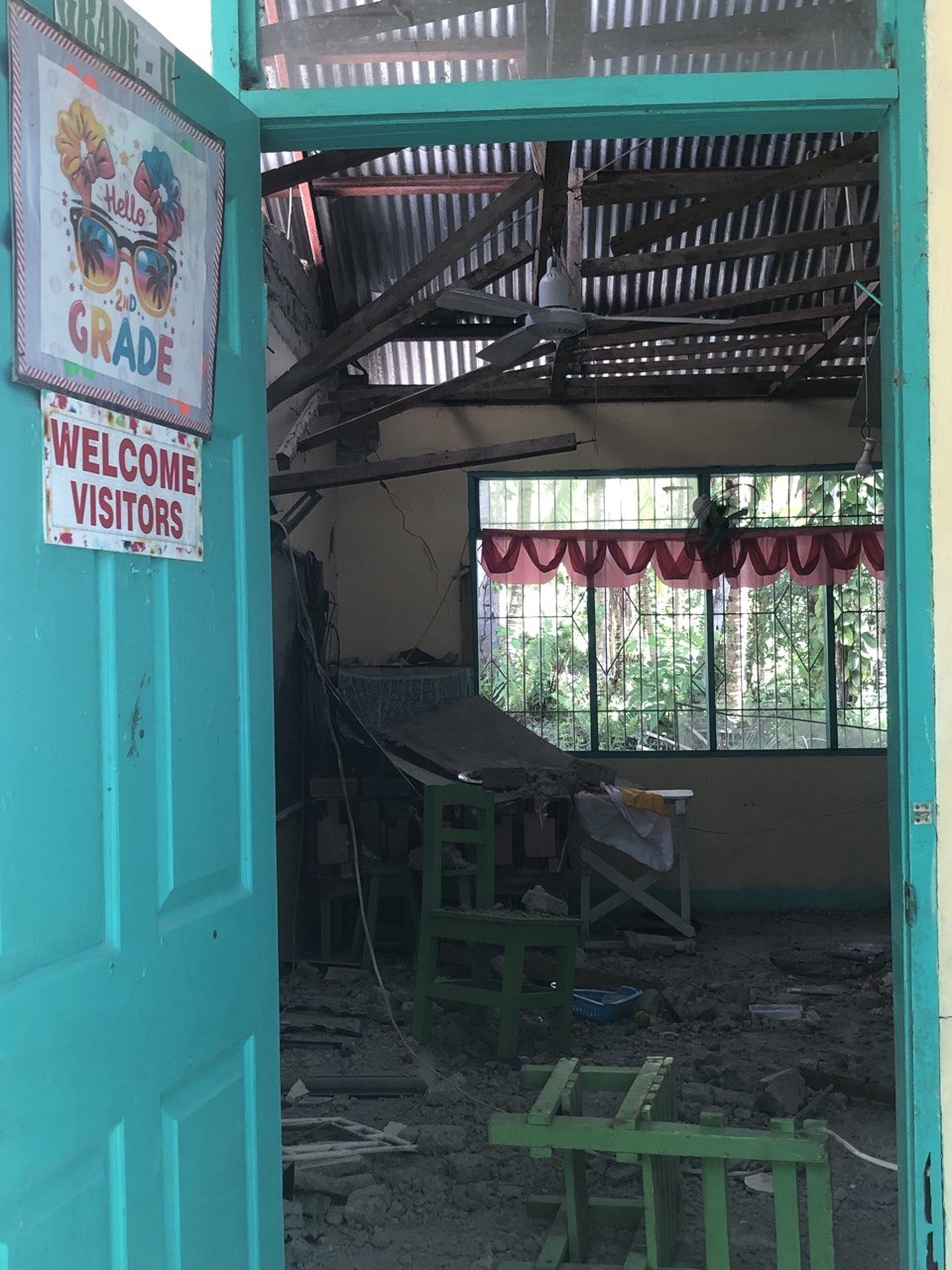
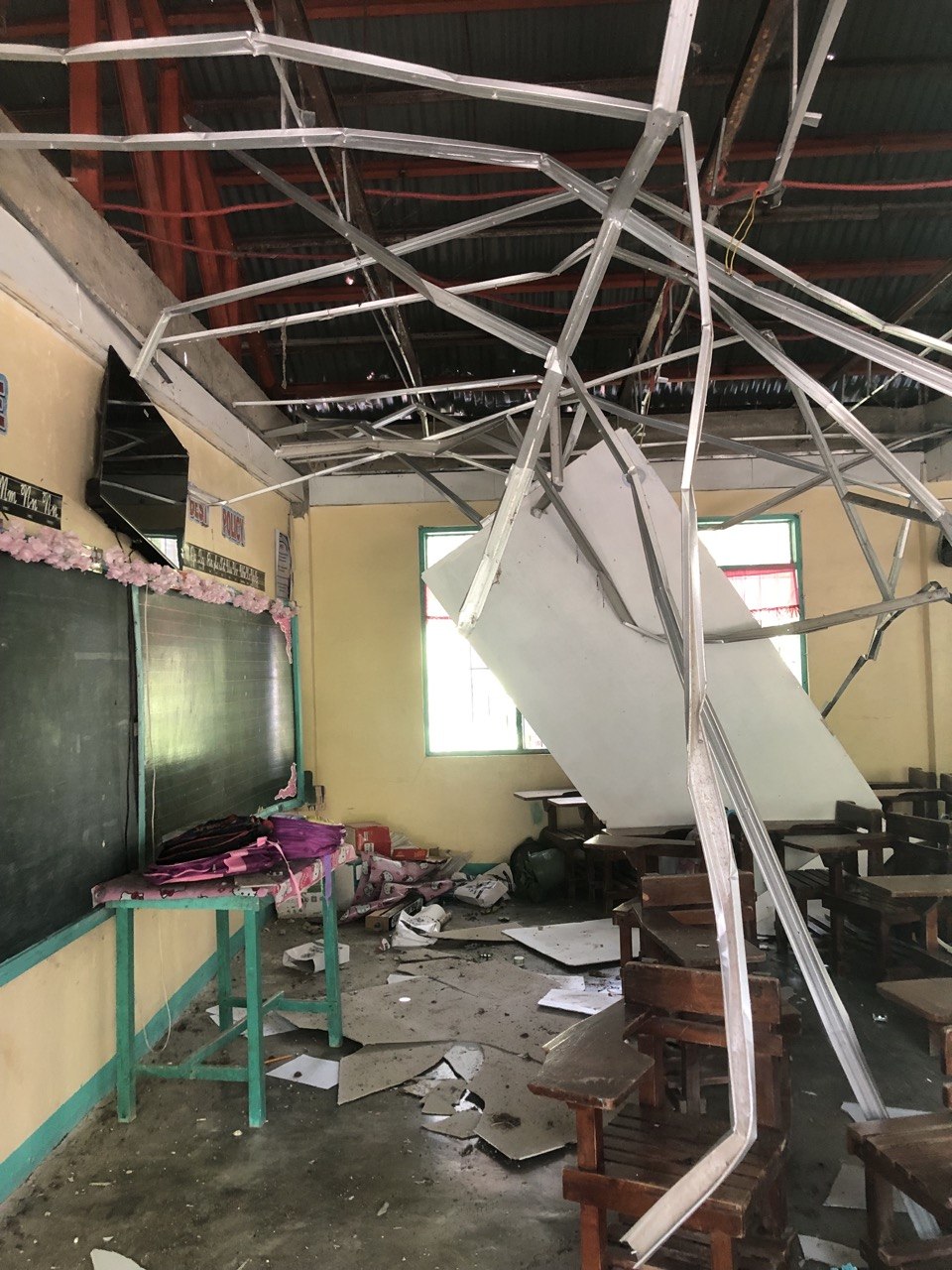
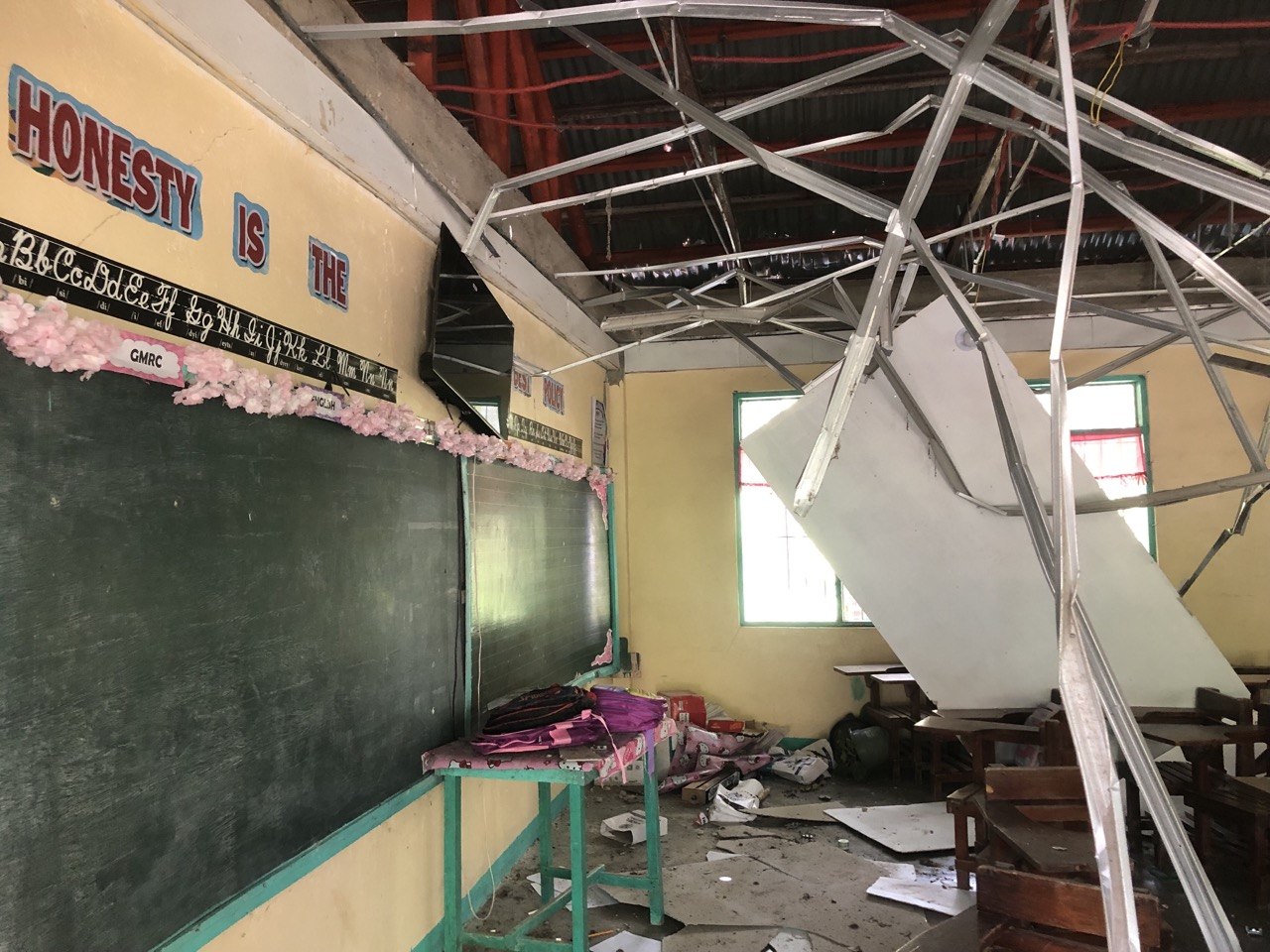
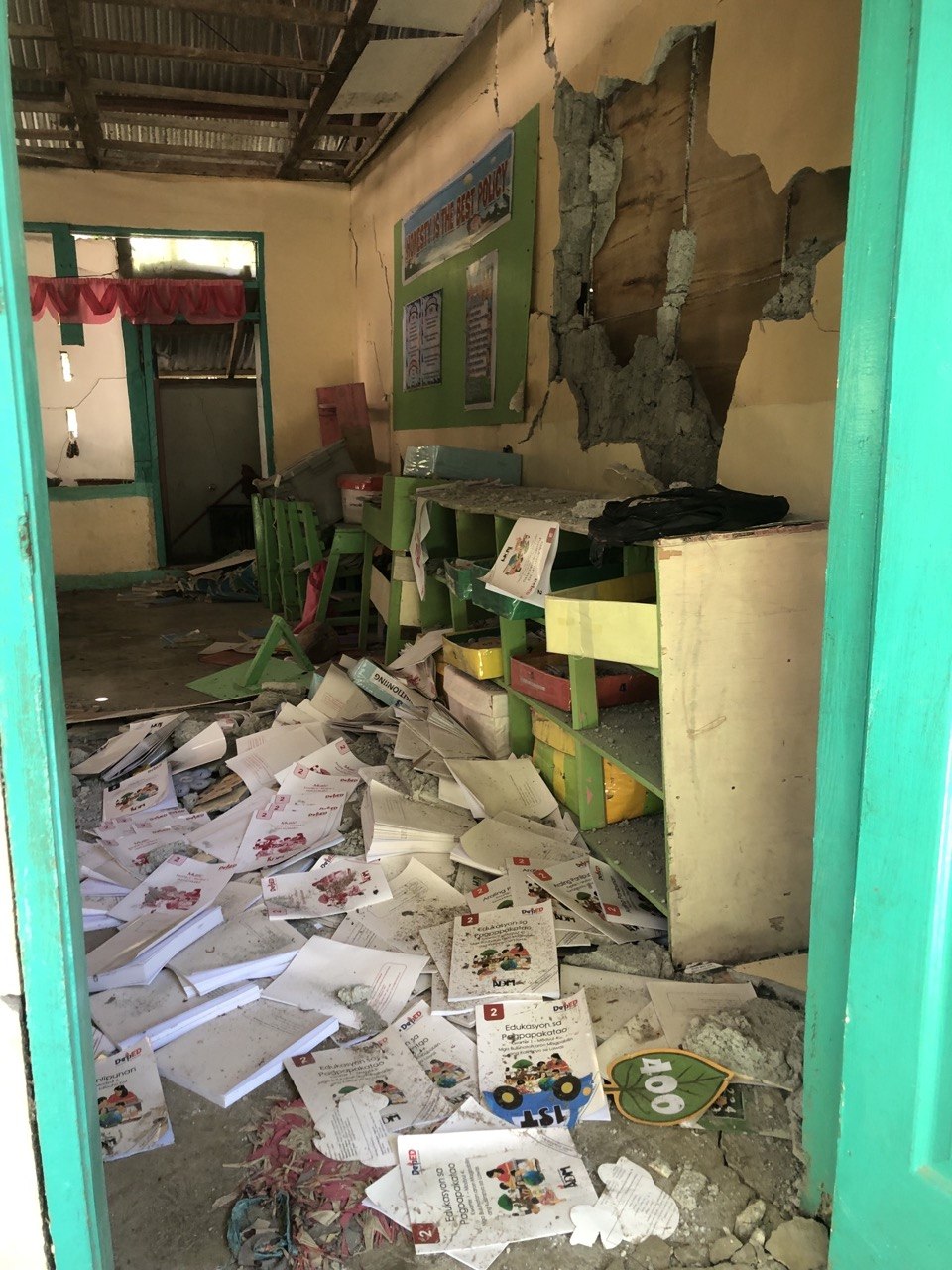
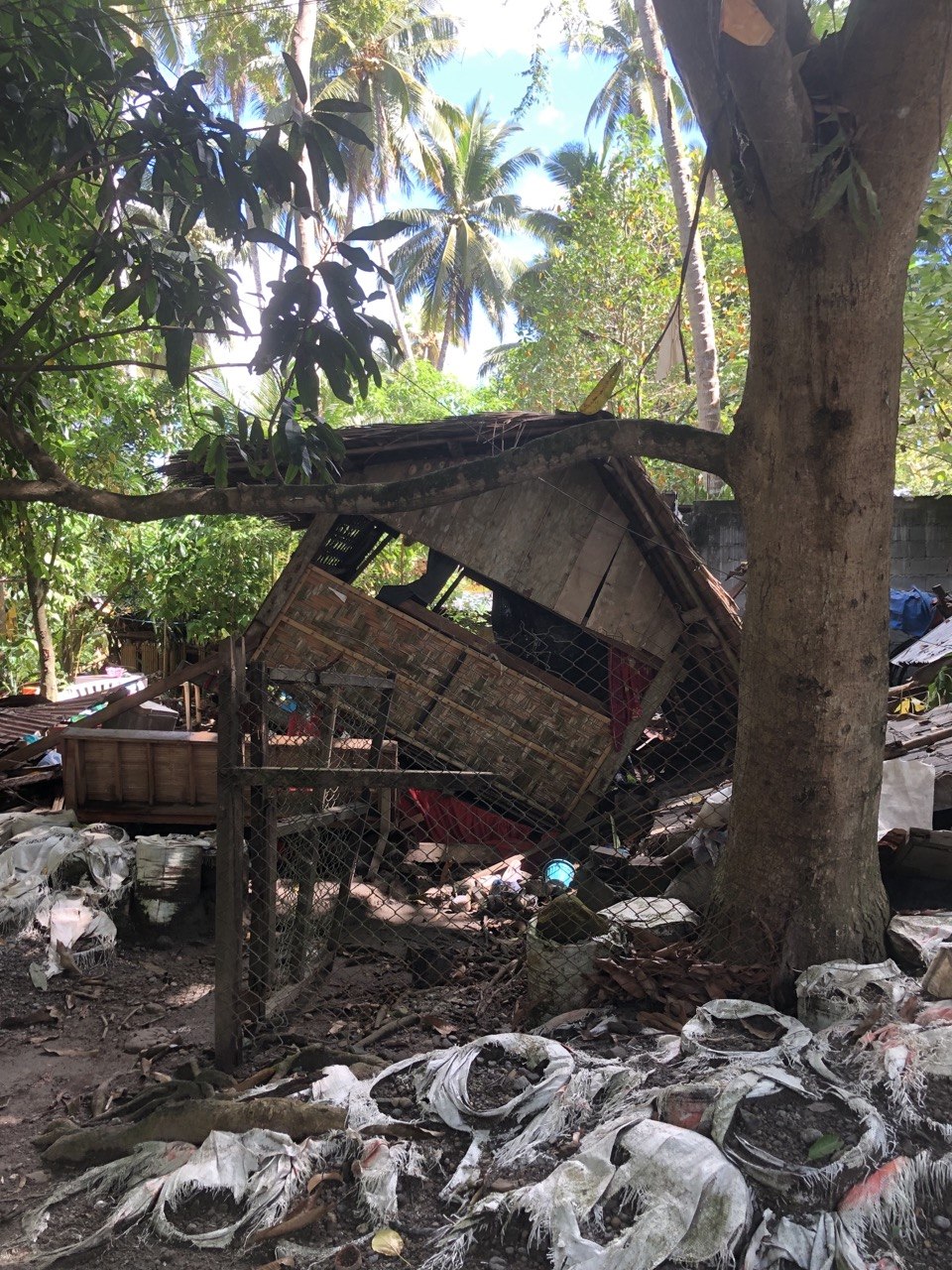
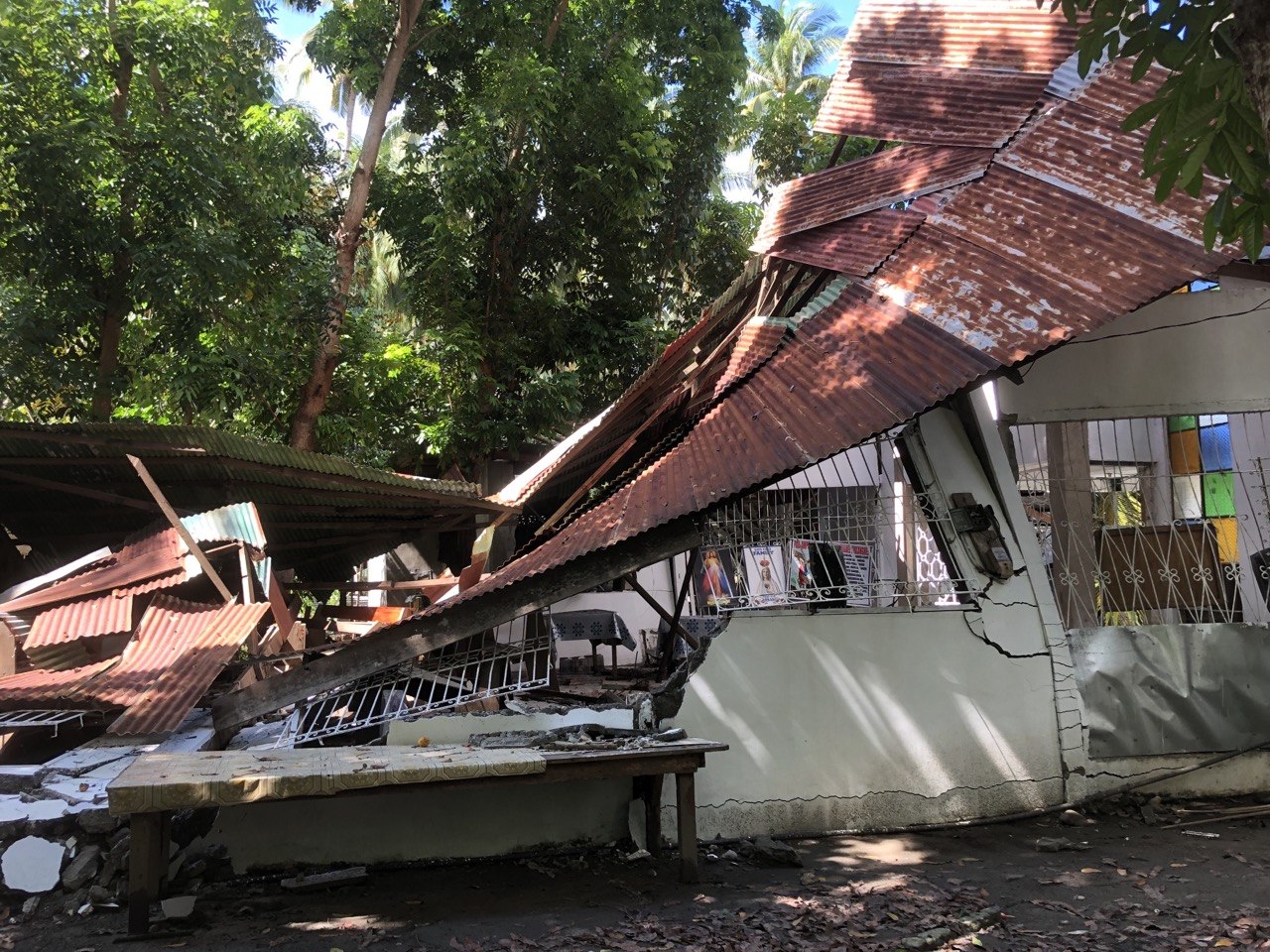
  • The 7.8 earthquake left severe damage to homes, properties, government buildings, roads, and infrastructures in the municipality. The municipal hall was cordoned off after the earthquake and local government agencies set up temporary offices in tents. Road clearing operations are ongoing and access is limited. Residents put up makeshift tents outside their homes as barangay halls and covered courts or multipurpose halls sustained structural damages. 
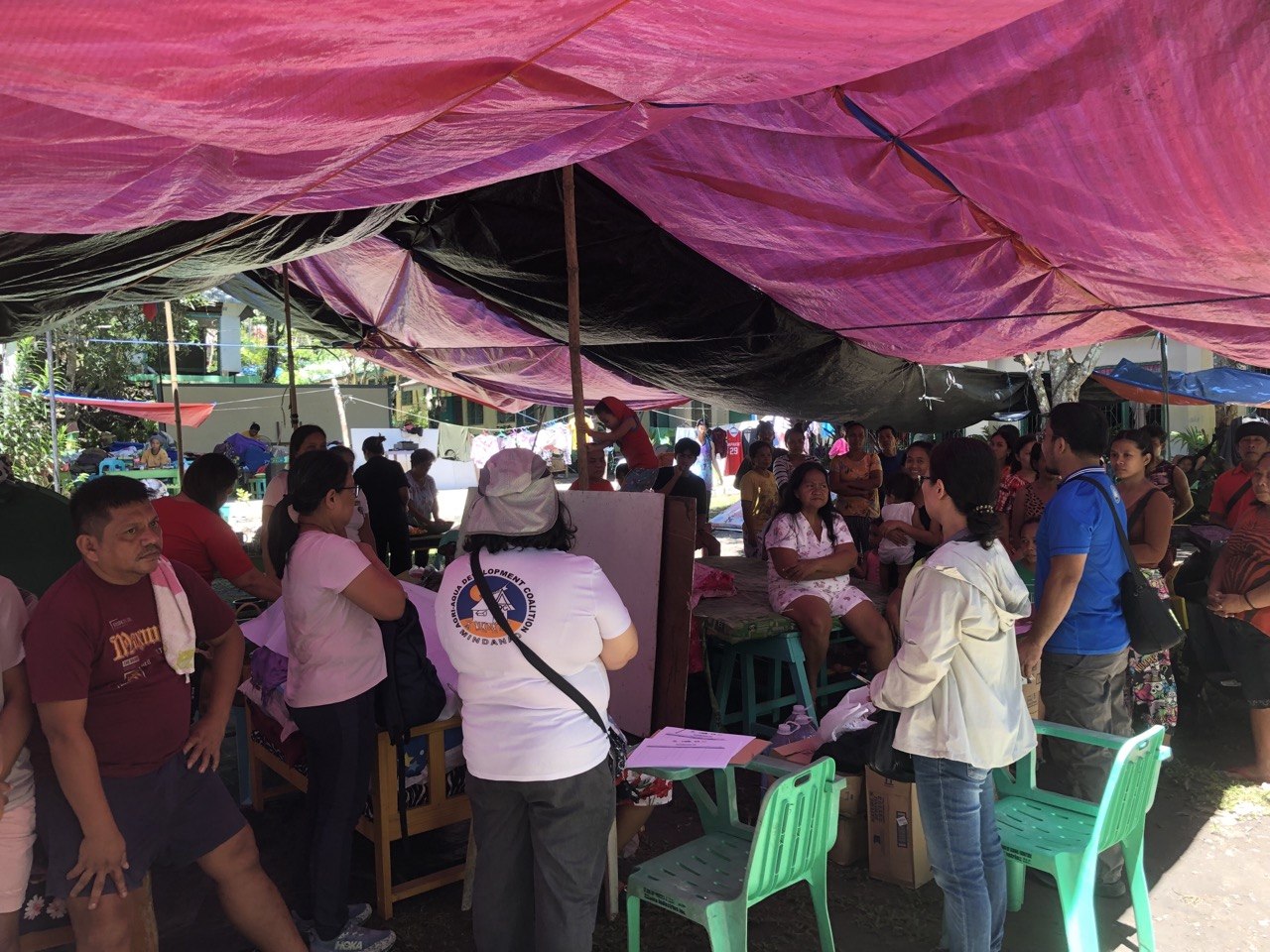
  • As part of conducting rapid community damage assessment and needs analysis, AADC and MINCODE distributed 6 liters of drinking water, biscuits, and AquaTabs (water purifying tablets) in Barangay Butulan in southern JAS last June 13, Saturday. 
  • Assessment results show that there is immediate need for the following: 
    • Rice
    • Drinking Water
    • Water purification tablets or equipment
    • Temporary Shelter, including sleeping mats, tarpaulins, rope, tent, mosquito nets, blankets/malongs
    • Medical/health supplies and services: people sustained bruises during the quake, children are starting to get sick – most likely due to water borne diseases, medicines
  • The Agri-Aqua Development Coalition (AADC), a member of MINCODE, intends to provide temporary shelter support in Barangay Butulan, JAS, wherein 984 households were severely affected and currently displaced. Barangay Butulan is composed of 3 upland and 8 coastal puroks or sitios, with a total population of 2,891 based on the 2020 Census. We are currently trying to raise P1.5M to provide temporary shelter support which includes sleeping mats, mosquito nets, jerry cans, blankets/malongs, and 10 meter tarpaulins to be distributed to 984 households.
  • Other MINCODE Members, local civil society organizations and cooperatives are also undertaking relief operations. Your support, generosity and partnership will provide basic needs and comfort for affected families. Please help in any way you can.
  • Psychosocial support is also needed, especially for children and their parents. 

How to Help

  • Donate to non-profit organizations and local civil society organizations that undertake humanitarian actions for earthquake-affected communities.
  • Establish institutional partnerships and joint programs with local non-government organizations, cooperatives, and foundations to reach more families and provide meaningful support to vulnerable sectors.
  • Volunteer with your local government and frontline agencies to augment human resources and admin/logistics/technical support.
  • Stay informed and share local information about the effects of the earthquake to help raise awareness of the needs of affected families.

Personal Stories[1]

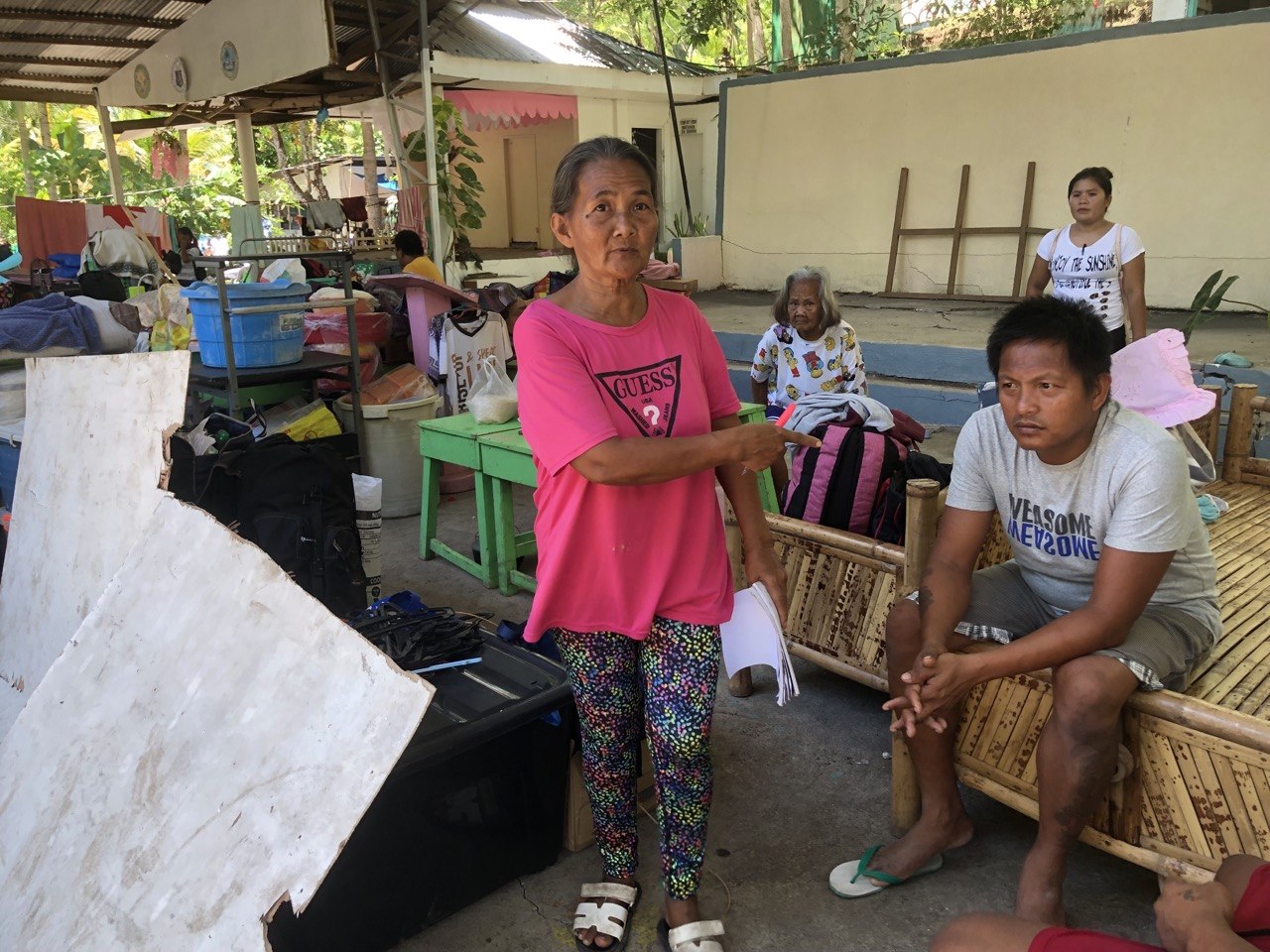
  • Teresita Insek Medez, 56 years old, married to a fisherman who is now a senior citizen, takes care of her 85-year old mother with Alzheimer’s. Teresita also takes care of her 24-year old son who has a mental disorder and suffers from epilepsy. They are residents of Purok Kaimito in Barangay Butulan, located in the southern part of Jose Abad Santos (JAS), which is among the most badly hit puroks in Barangay Butulan and where liquefaction has also been observed and reported. Teresita, along with her husband, mother, and son, now share with 19 other families in an open-spaced covered court in Butulan Elementary School. The classrooms in Butulan Elementary School have sustained major damages as well, but its open ground currently serves as a temporary evacuation camp for 95 families.
  • Ma’am Dada (not her real name), 50 years old, teacher in the local elementary school in JAS, suffered bruises in her arms – both left and right – as she was thrown from wall to wall during the earthquake. She froze during the strong earthquake and was not able to react quickly. In all her 50 years of living in JAS, this is the first ever earthquake she experienced. Due to bruises all over her arms and the painful swelling on her hands – and because no medical support is available – she was not able to feed herself for six days after the earthquake. 
  • Mon (not his real name), a young adult with a 5-year old son, stayed beside the AADC Team throughout the entire 3 hours of assessment and distribution. He patiently waited the entire time. When asked why, he meekly replied “Mangayo jud ko og tubig para sa akong bata, Ma’am.” (I would like to ask for drinking water for my son, Ma’am) He shared that his son has started to feel sick and now seems to have a fever. He thinks that this might have been due to the lack of potable water since the earthquake destroyed the water pipes and their local water refilling stations can no longer produce clean drinking water. Because of the road conditions and limited access to southern JAS, supply of potable water is scarce. 

Photos and Videos


[1] These stories are shared to AADC and MINCODE assessment teams in confidence. Although they gave consent for us to share their stories for documentation and assessment purposes, please refrain from using their stories without prior approval.

[2] Copyrights reserved. Should you wish to use them, please credit AADC and MINCODE for these photos and videos.

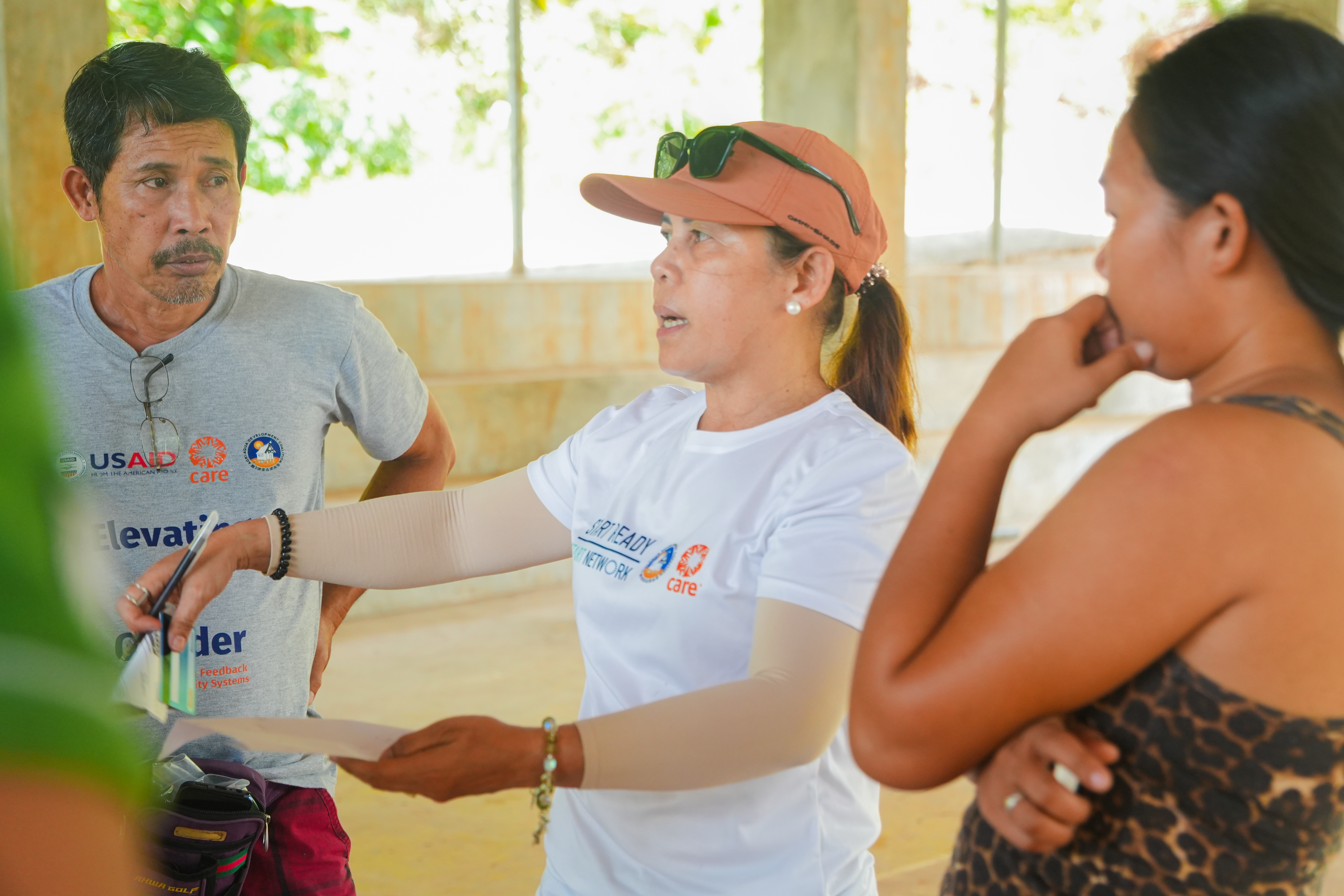
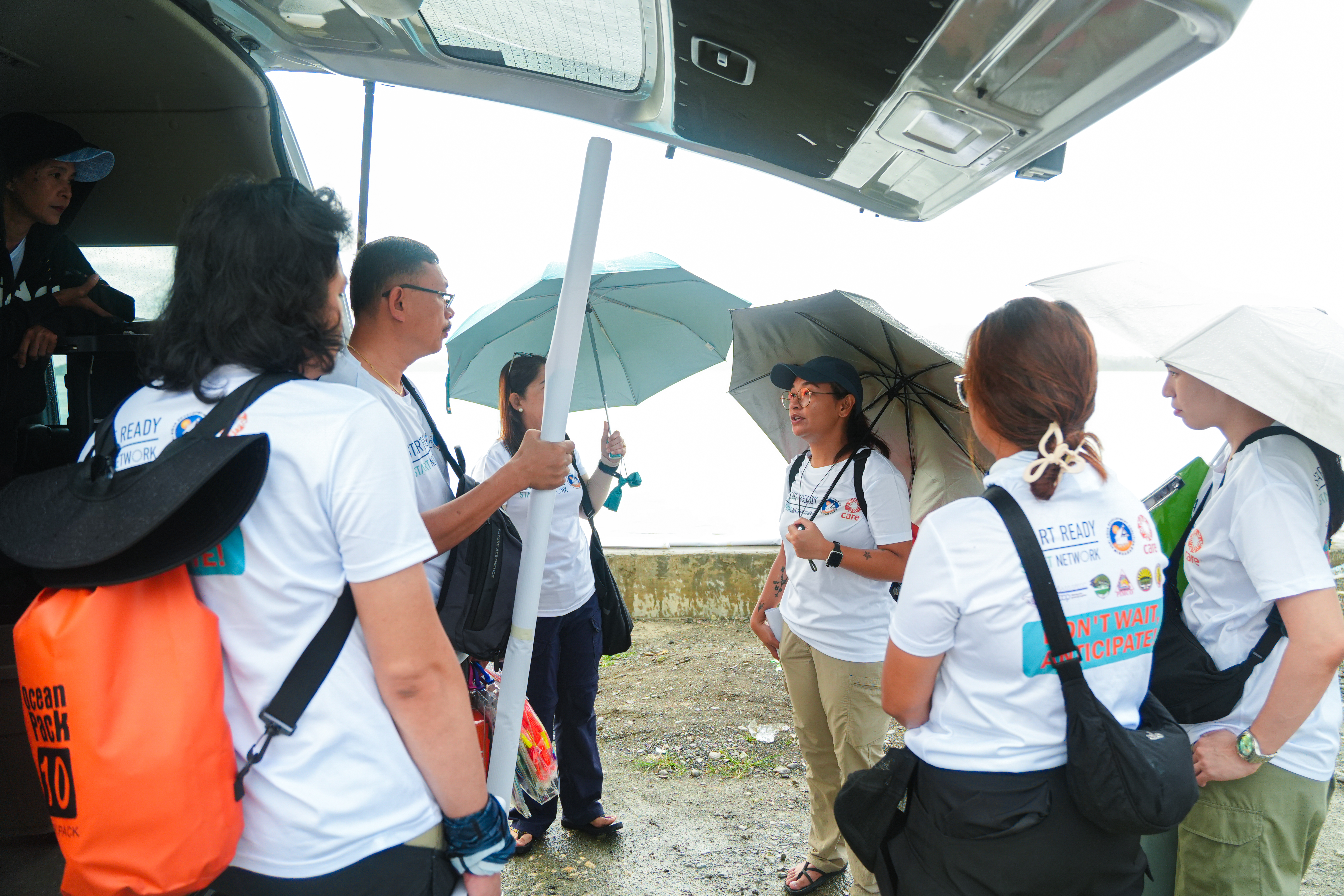
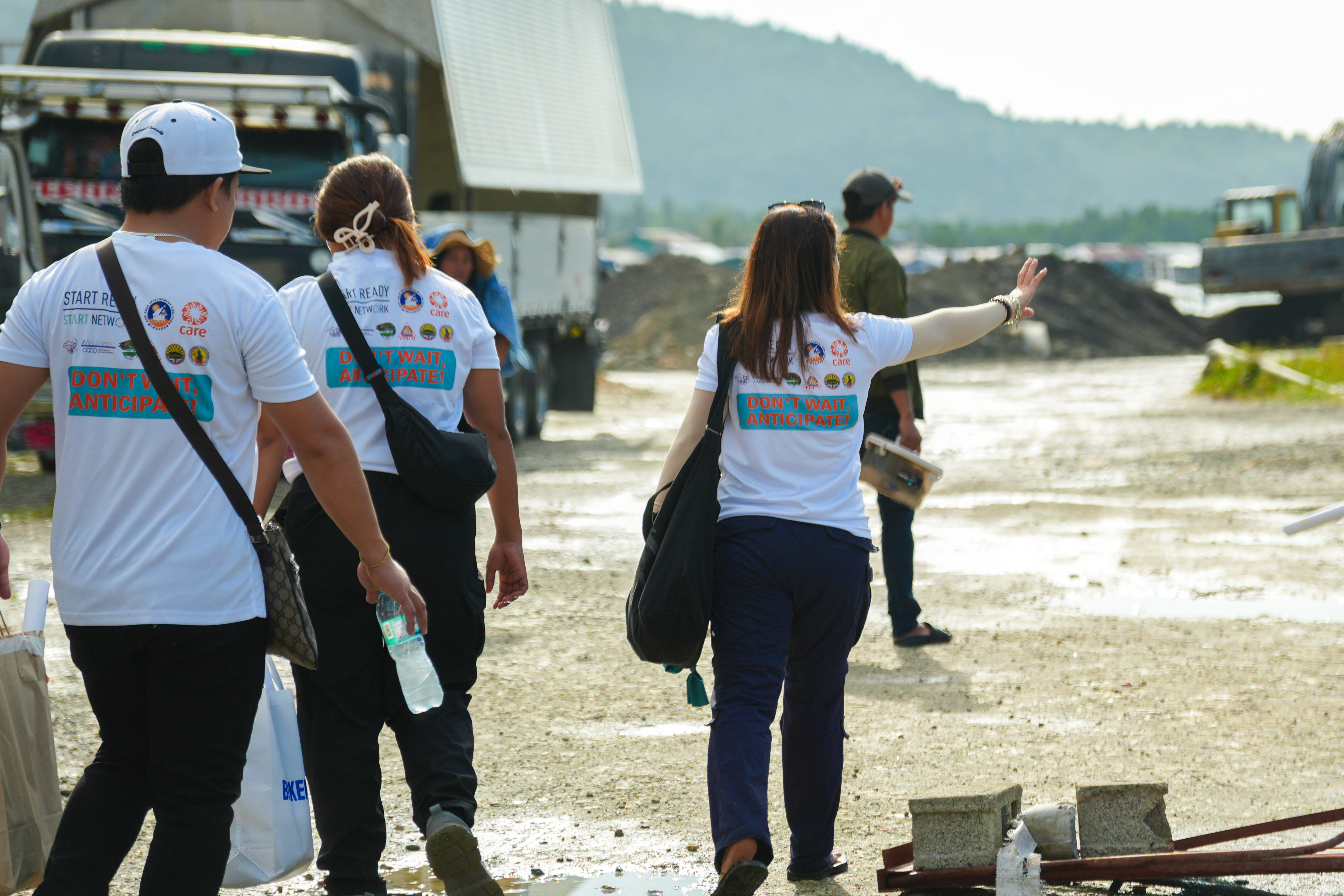
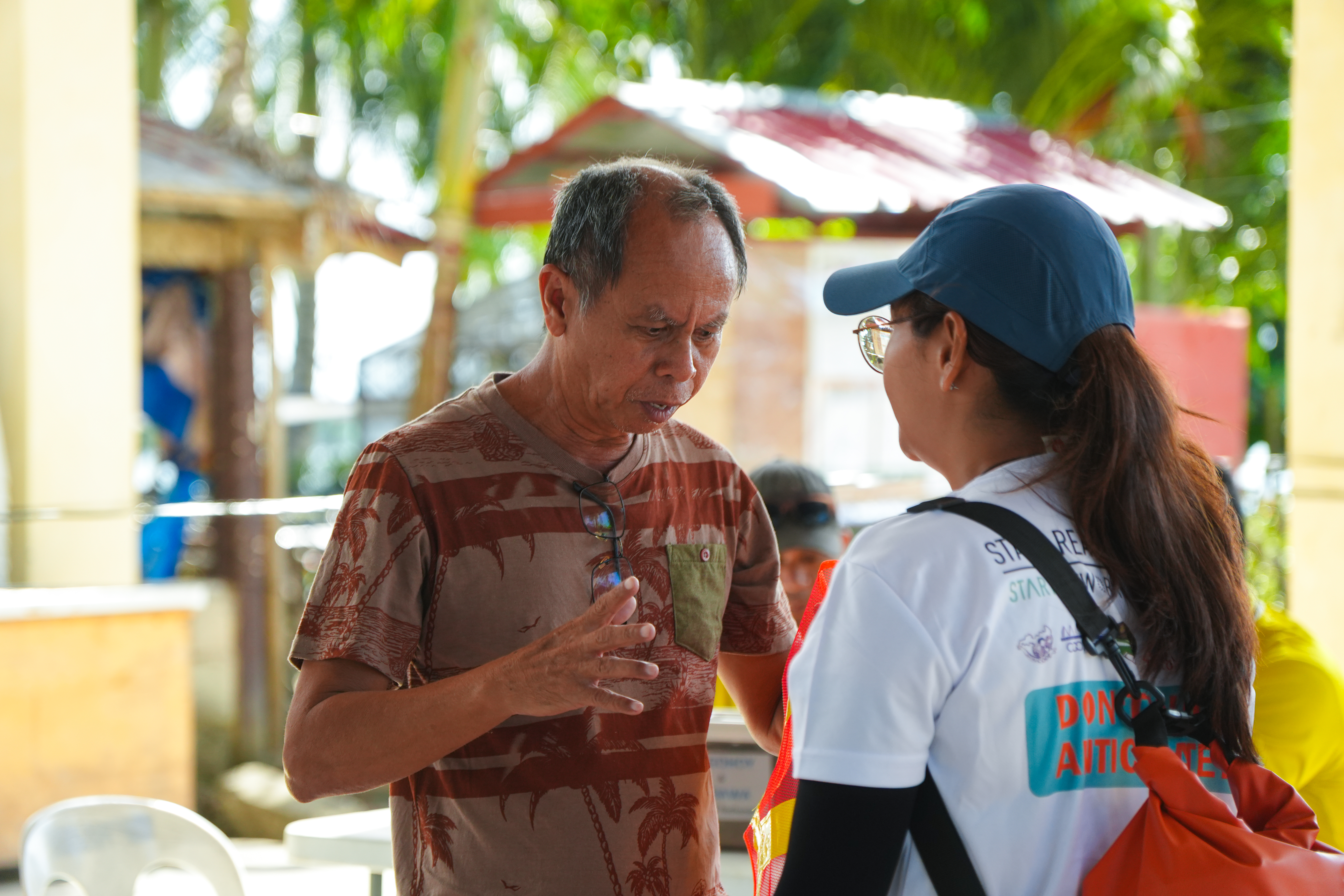
Start Ready Project in Surigao del Norte: Strengthening Anticipatory Actions for Typhoons

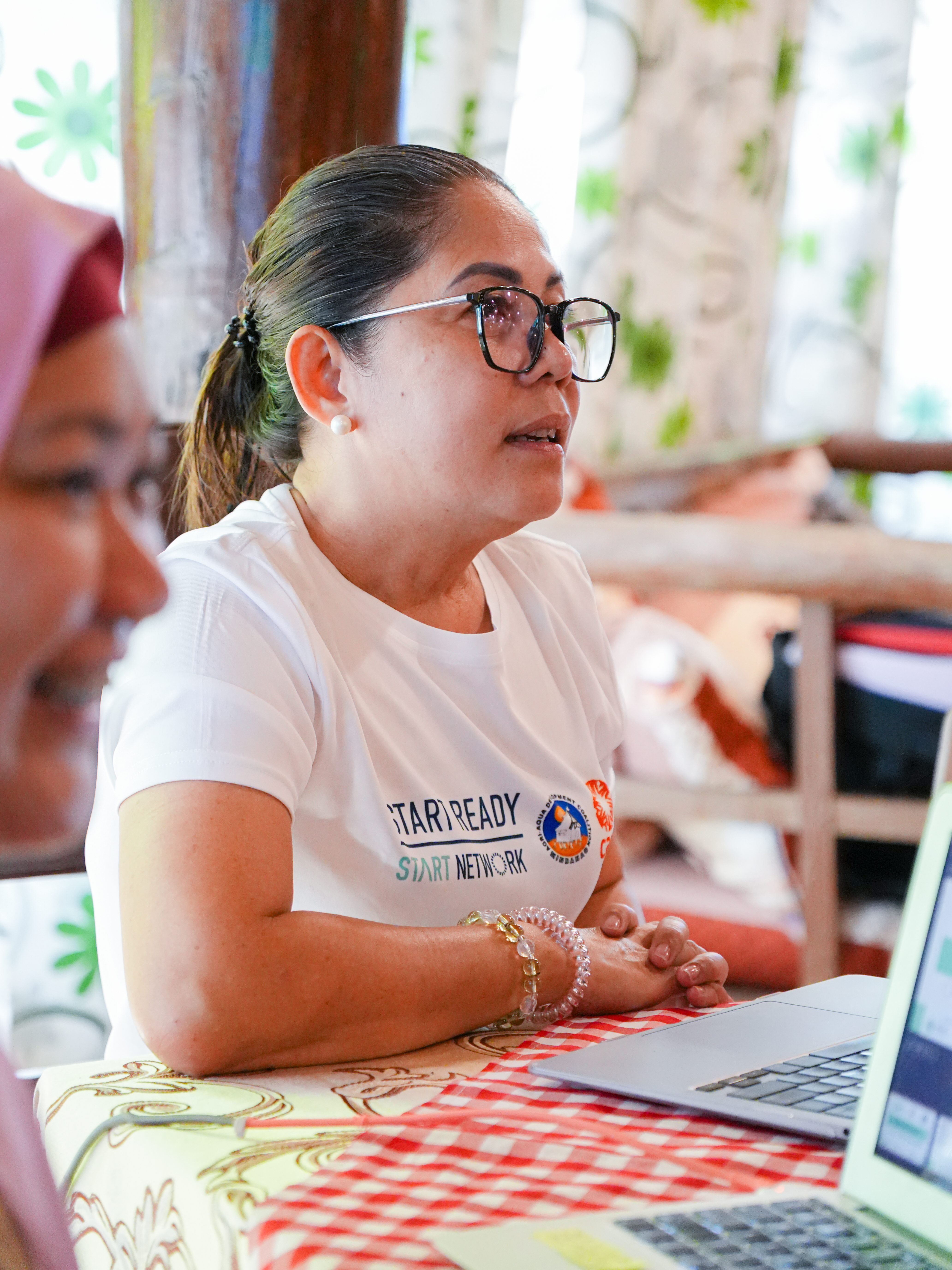
In partnership with Start Network, a consortium of local civil society organizations in Surigao del Norte is implementing the Start Ready Project which strengthens community preparedness by undertaking anticipatory actions three (3) days before a typhoon’s impact.

Anticipatory Actions under this project include distribution of multipurpose cash assistance, distribution and orientation on the use of water filtration tablets, shelter reinforcement, and protection of livelihood assets. These actions will be undertaken around 72 hours before a typhoon will make landfall in CARAGA Region. The anticipatory actions will be made as soon as Start Network Governance Team declares activation, based on pre-agreed triggers and thresholds.

The Start Ready Project is implemented in the Municipalities of Mainit, Sison, Tagana-an, and Dapa in Surigao del Norte Province. This project is implemented by CARE Philippines and Agri-Aqua Development Coalition (AADC), in partnership and collaboration with MINCODE, MASS-SPECC and partner cooperatives BAUGMPC, SAFRAGEMC, PIMCO, and SOEMCO, as well as local government units at the provincial, municipal, and barangay levels.

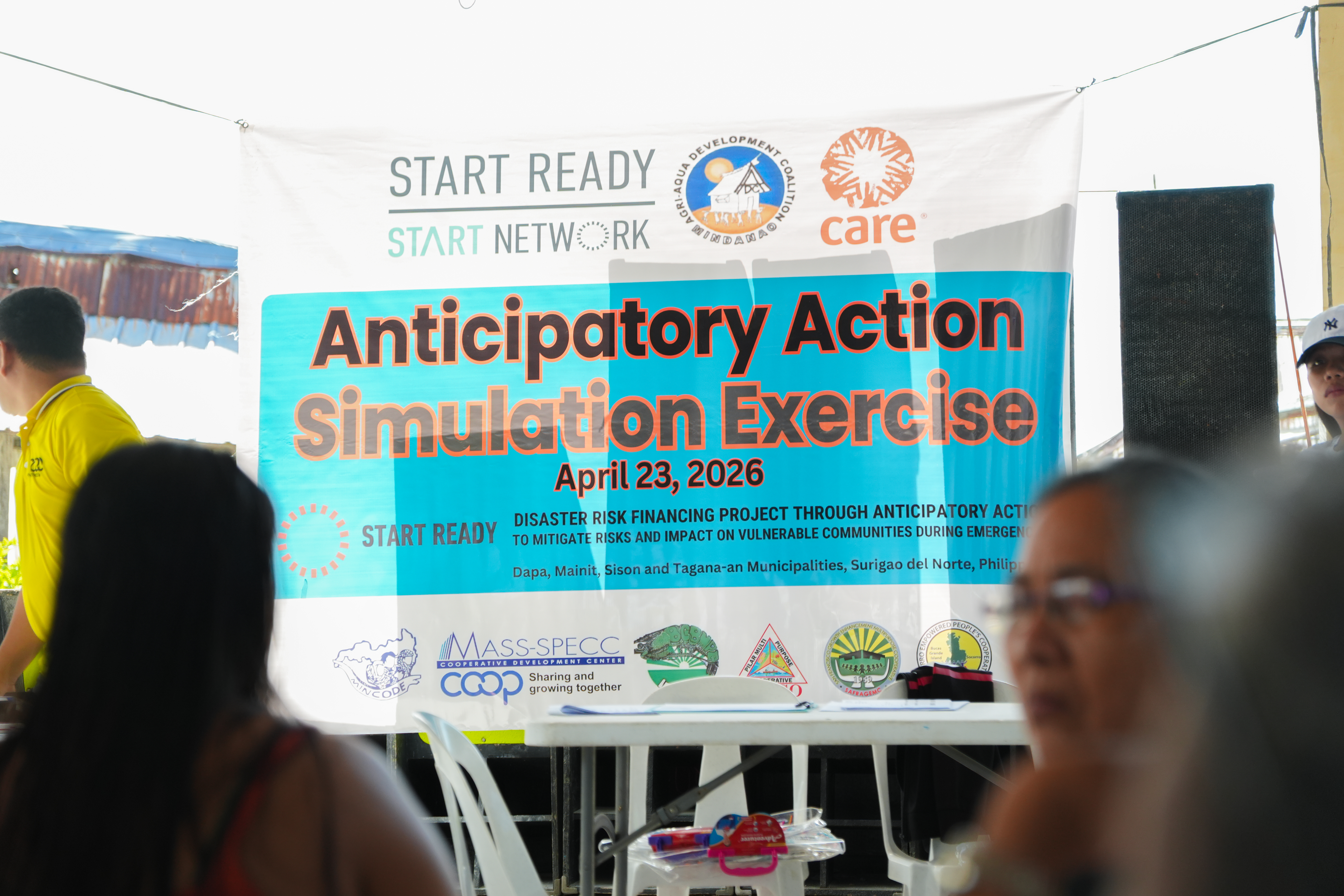
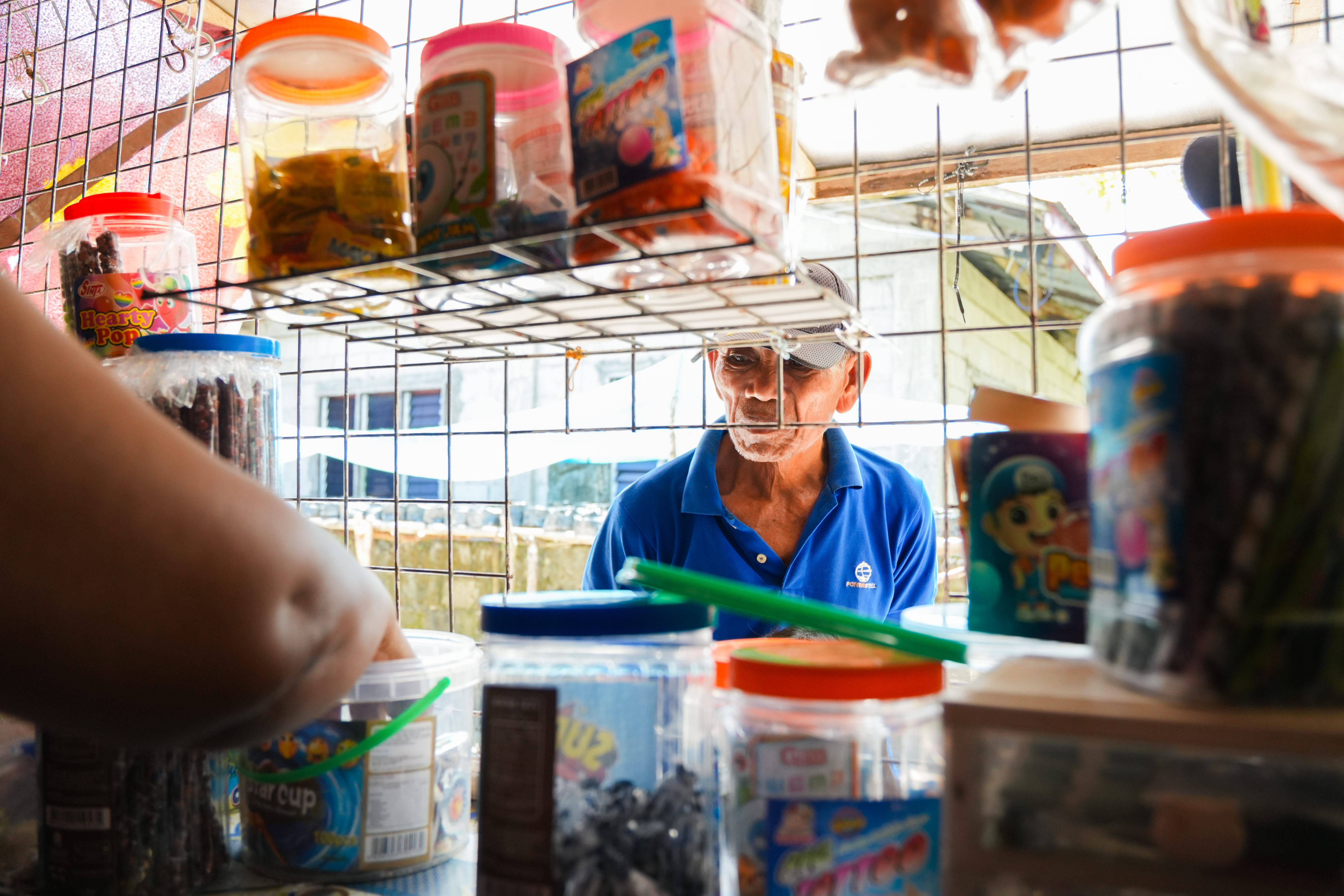
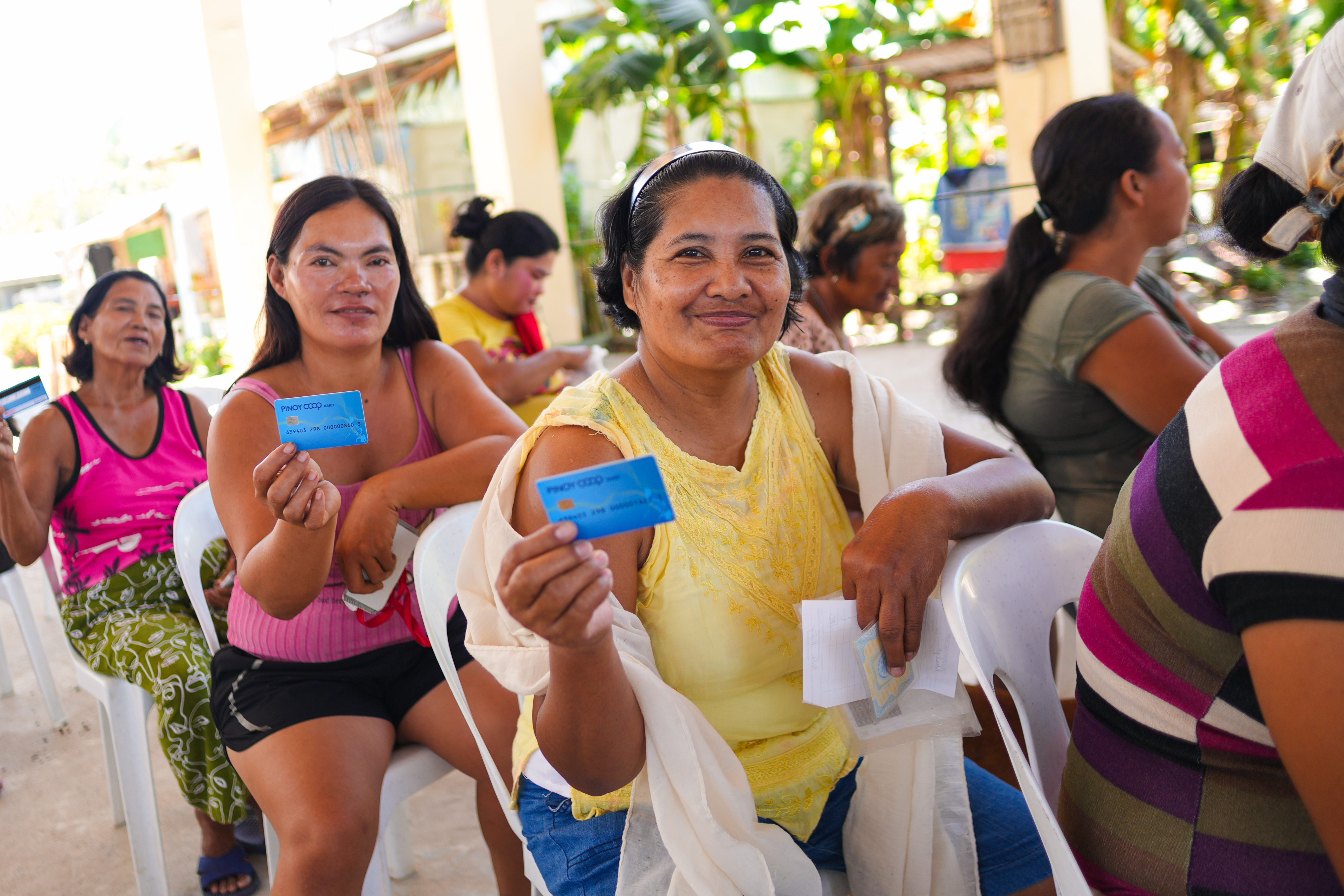
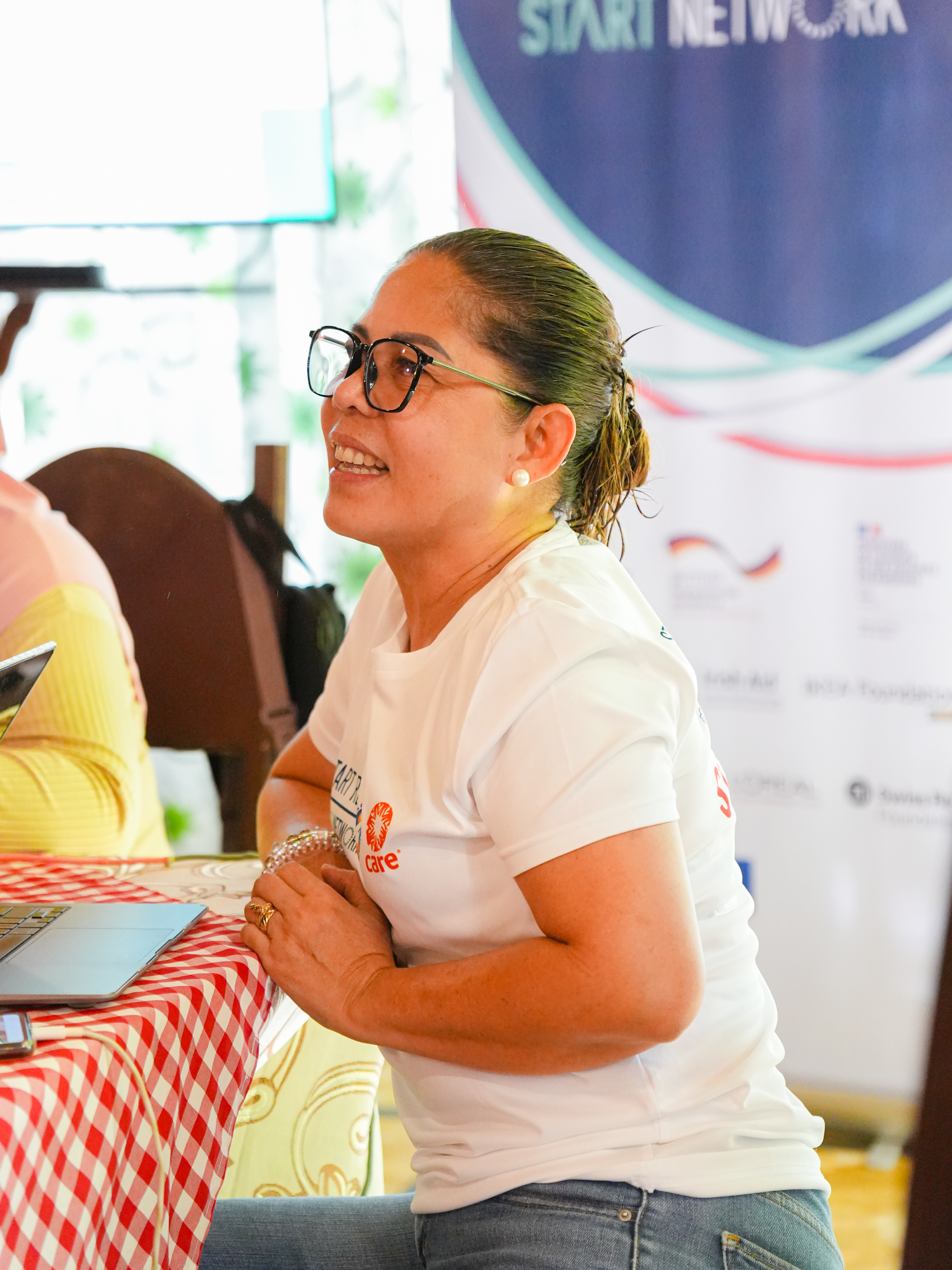
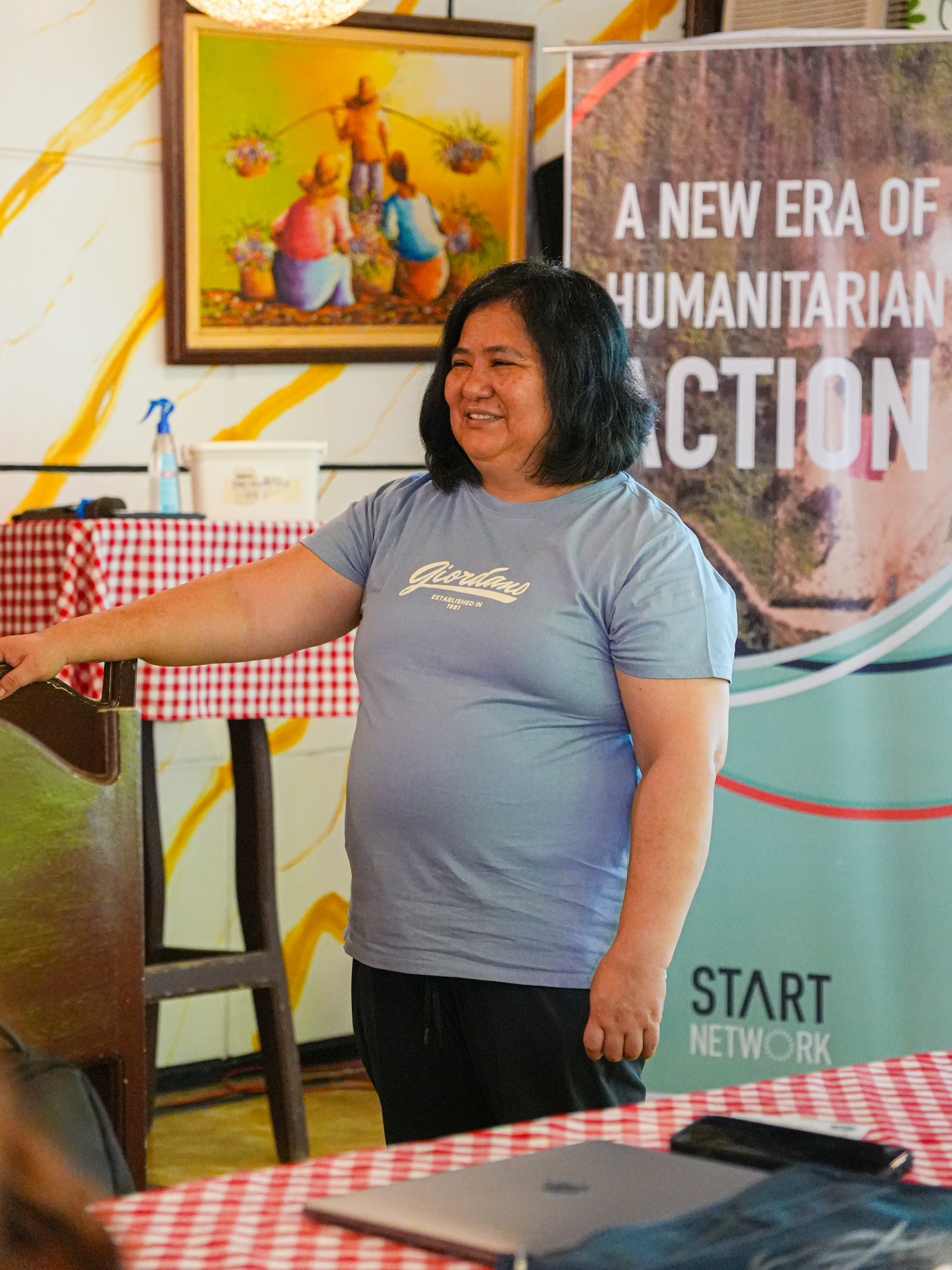
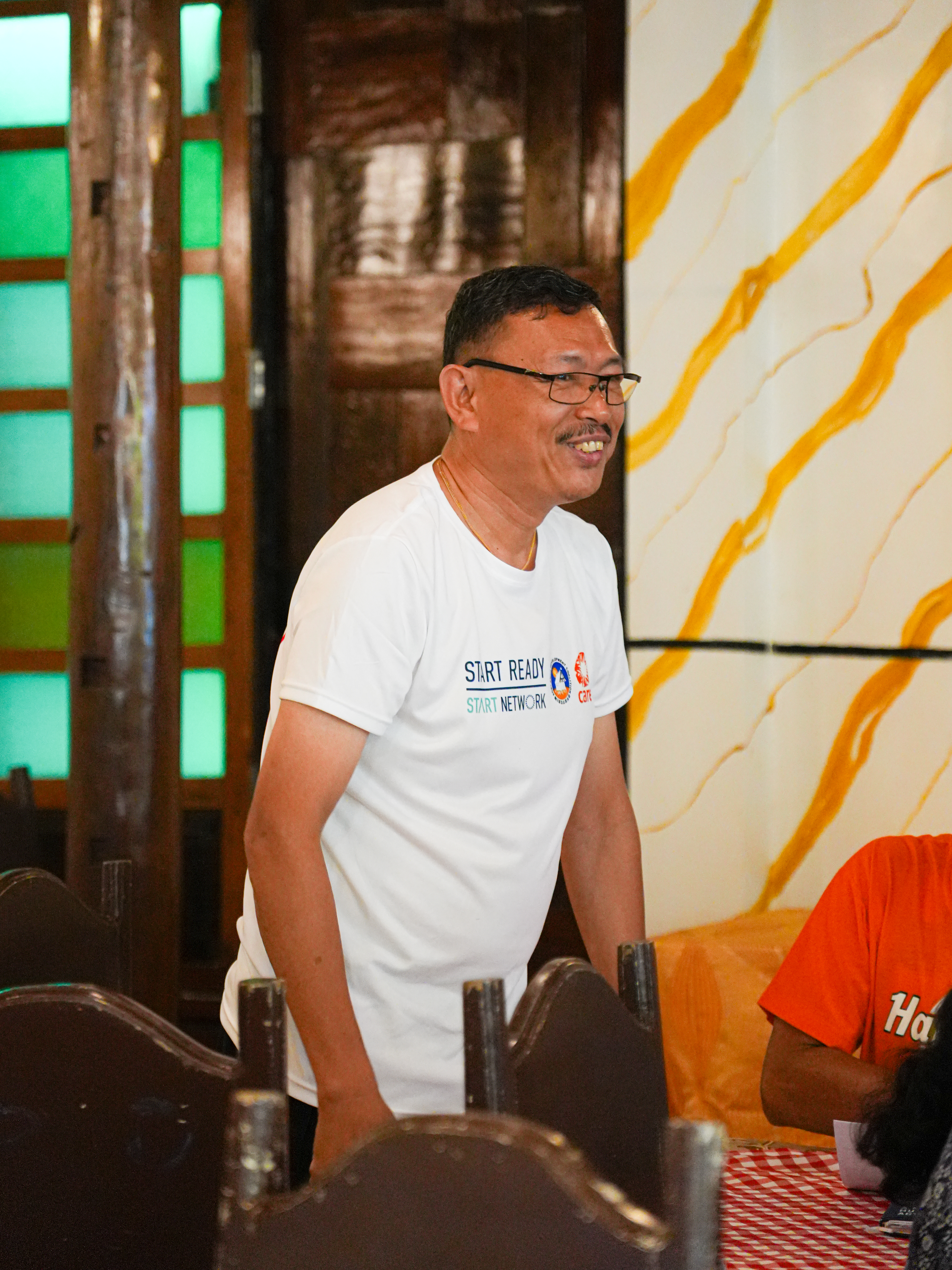
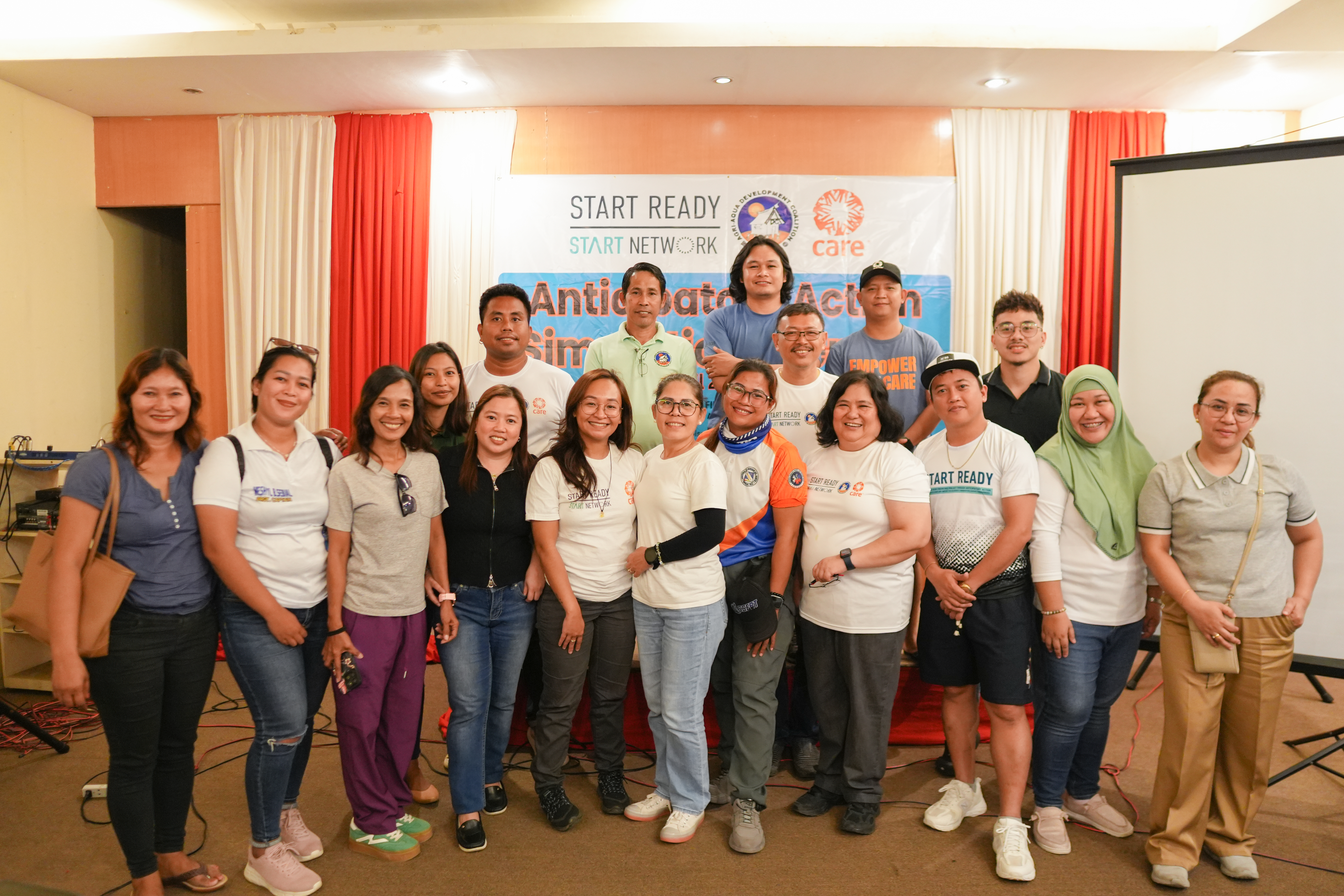
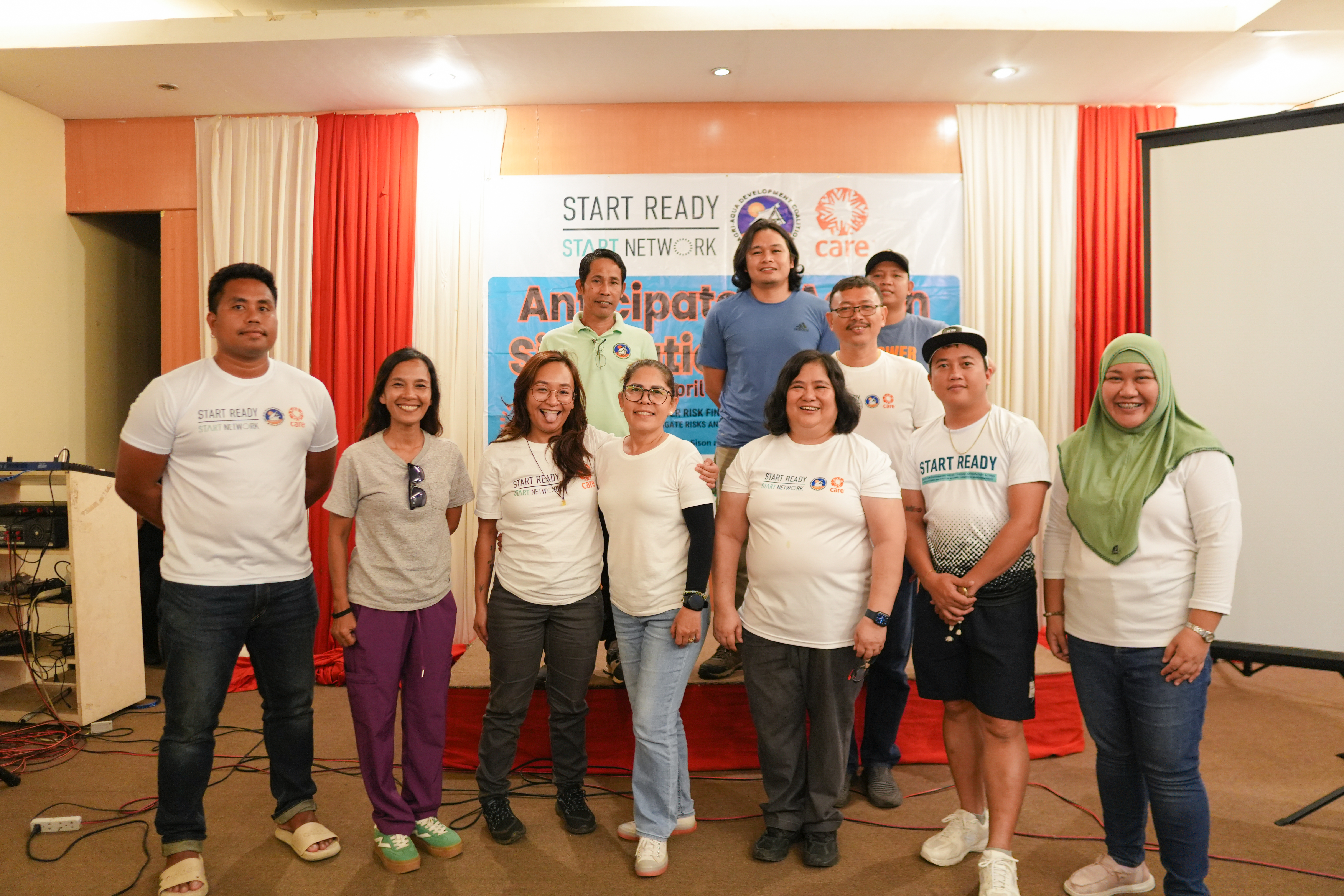
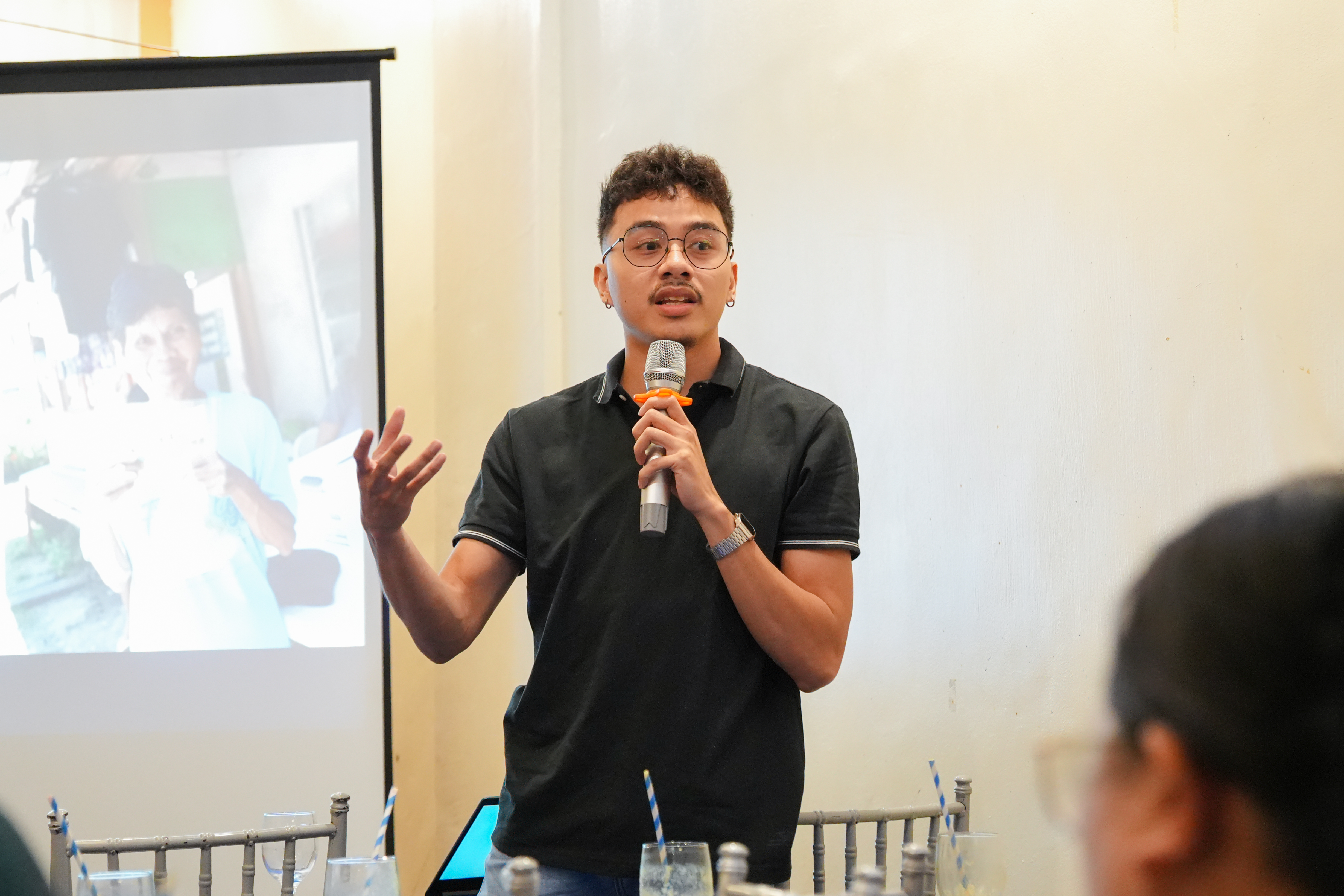
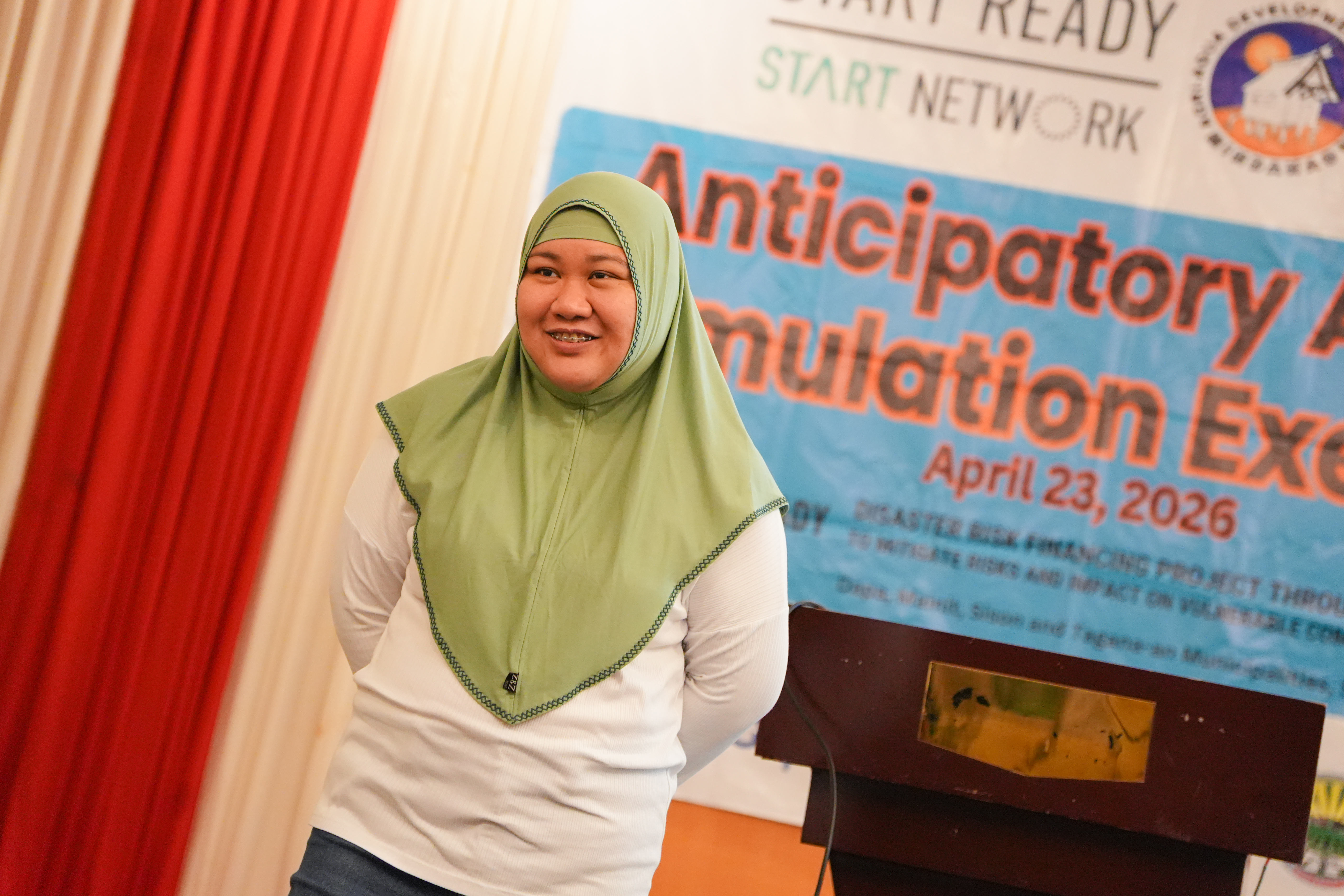
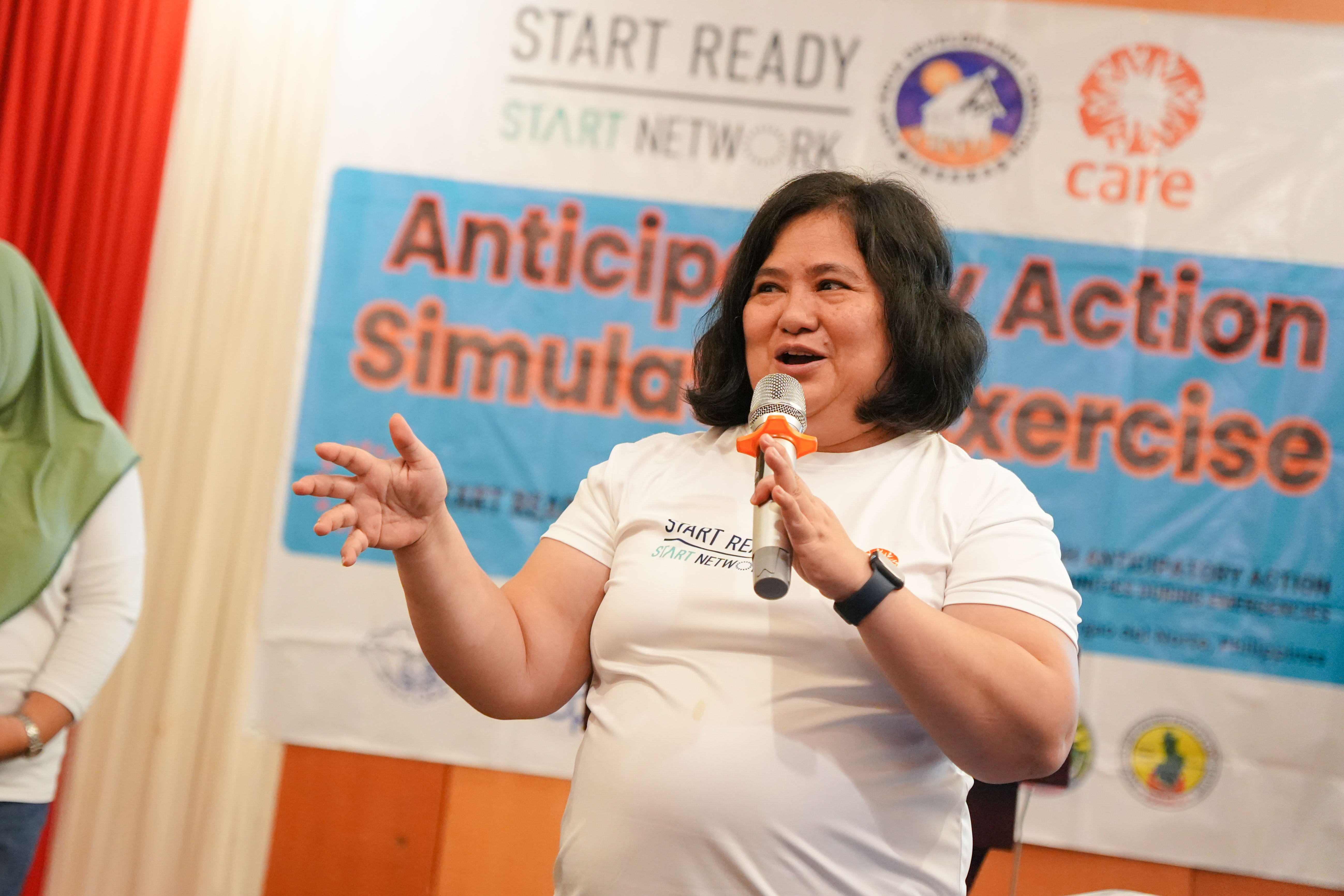
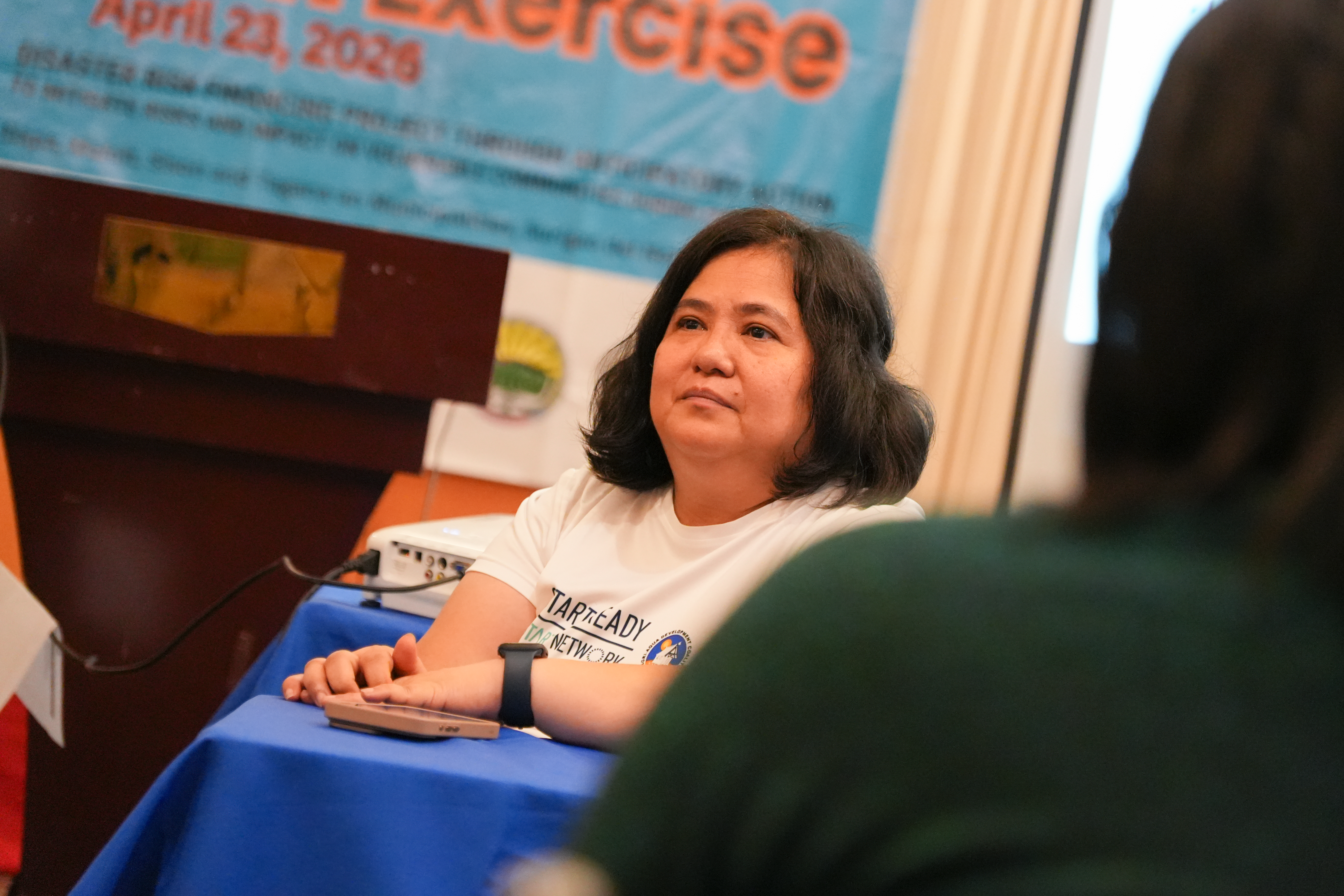
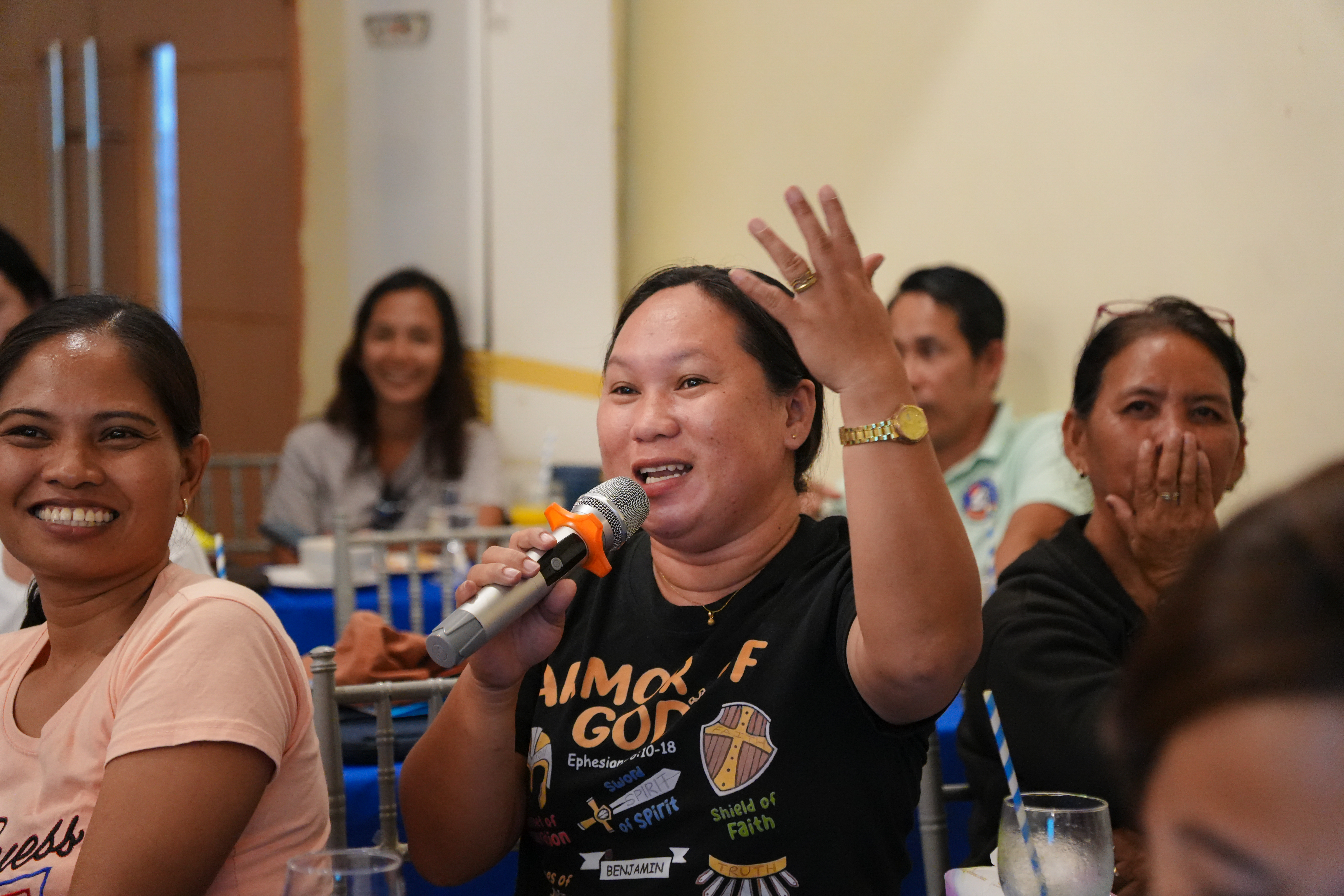
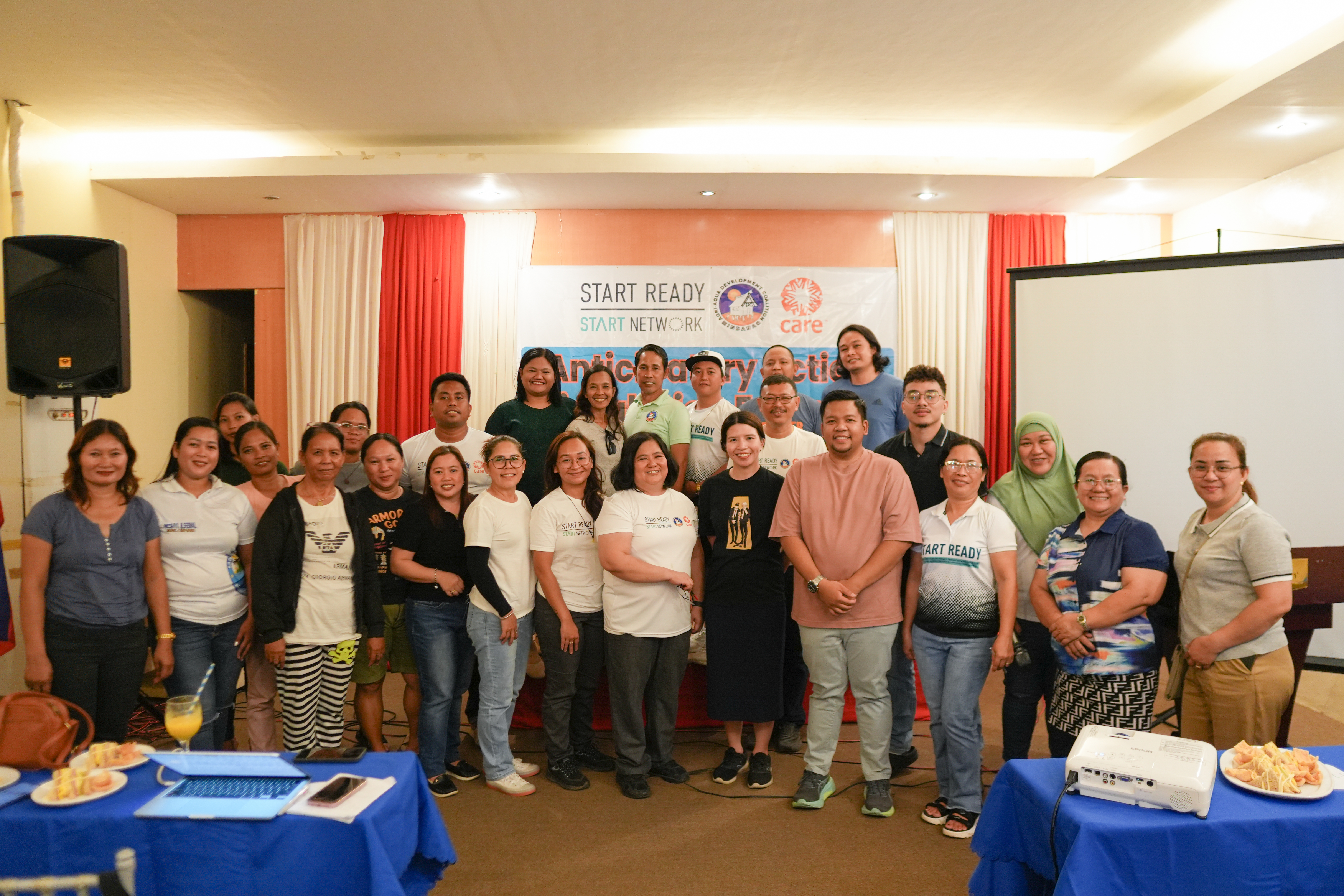
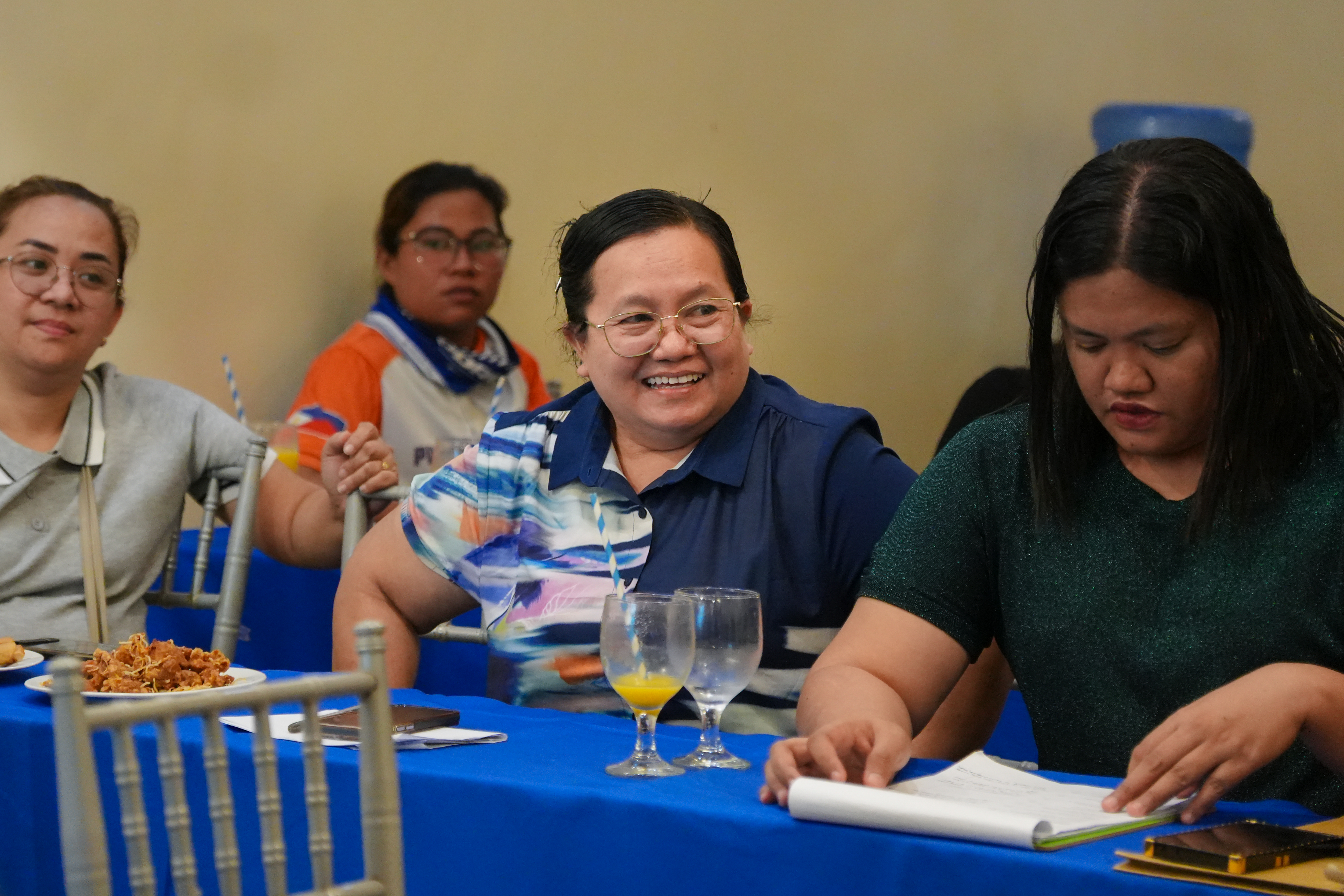
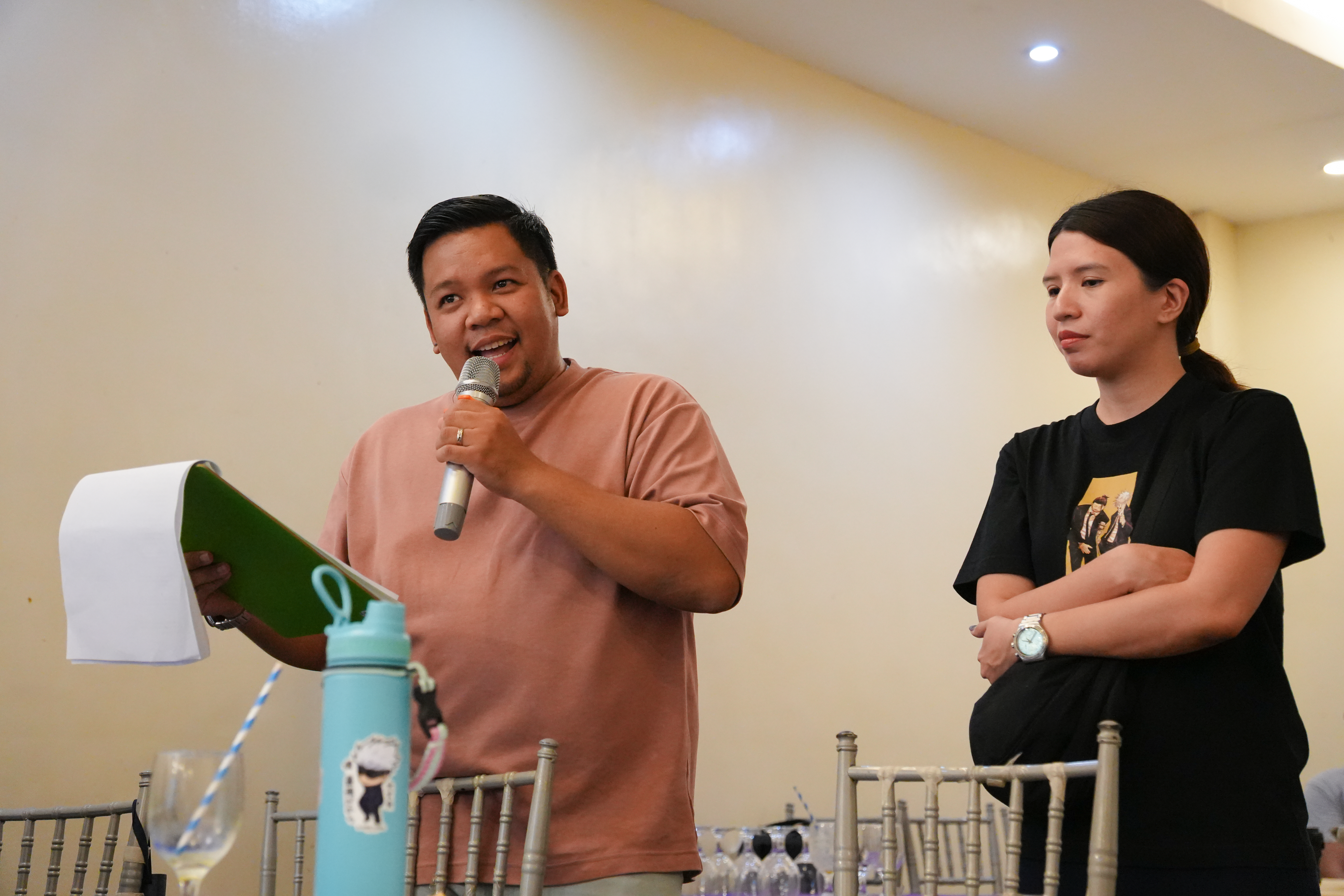
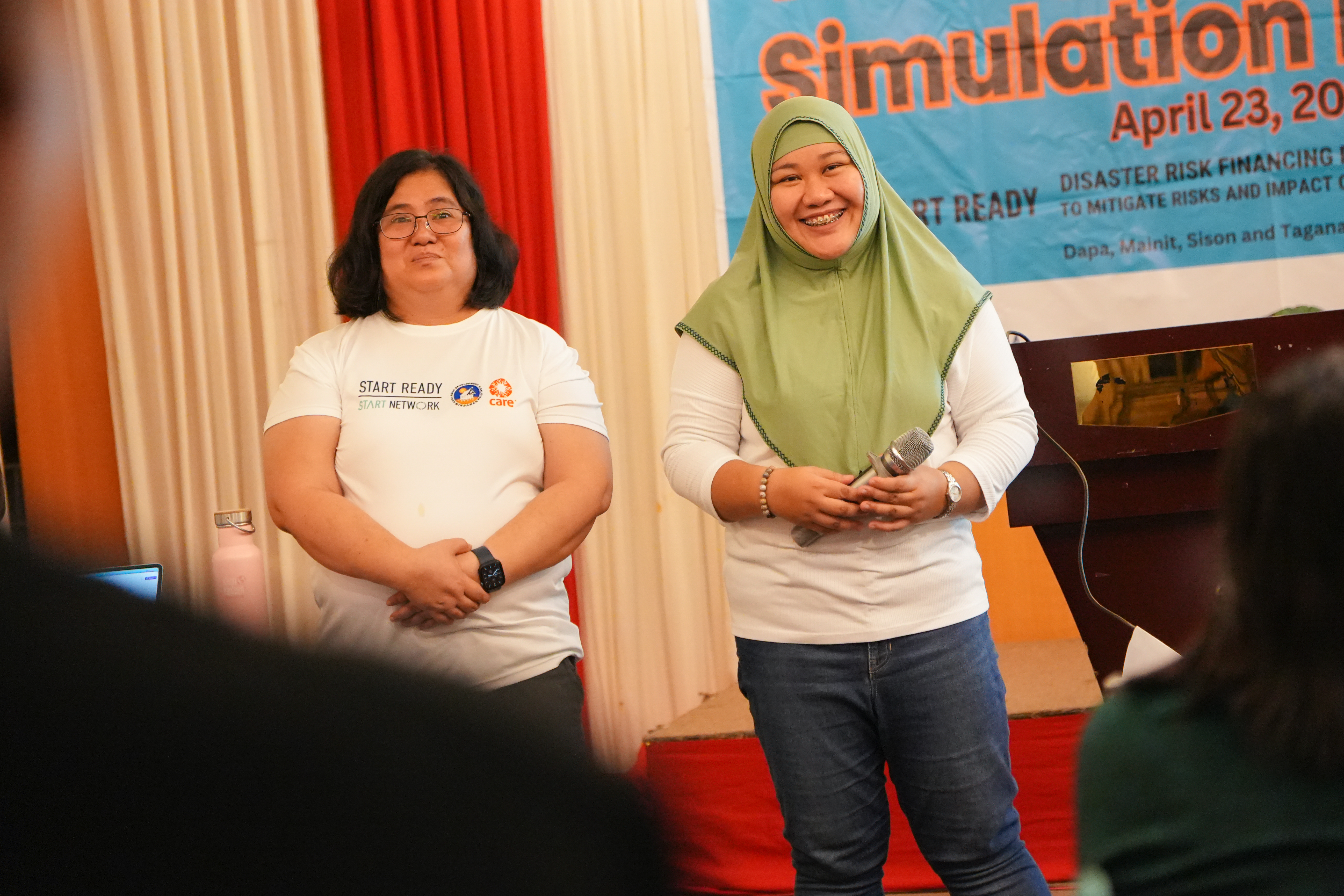
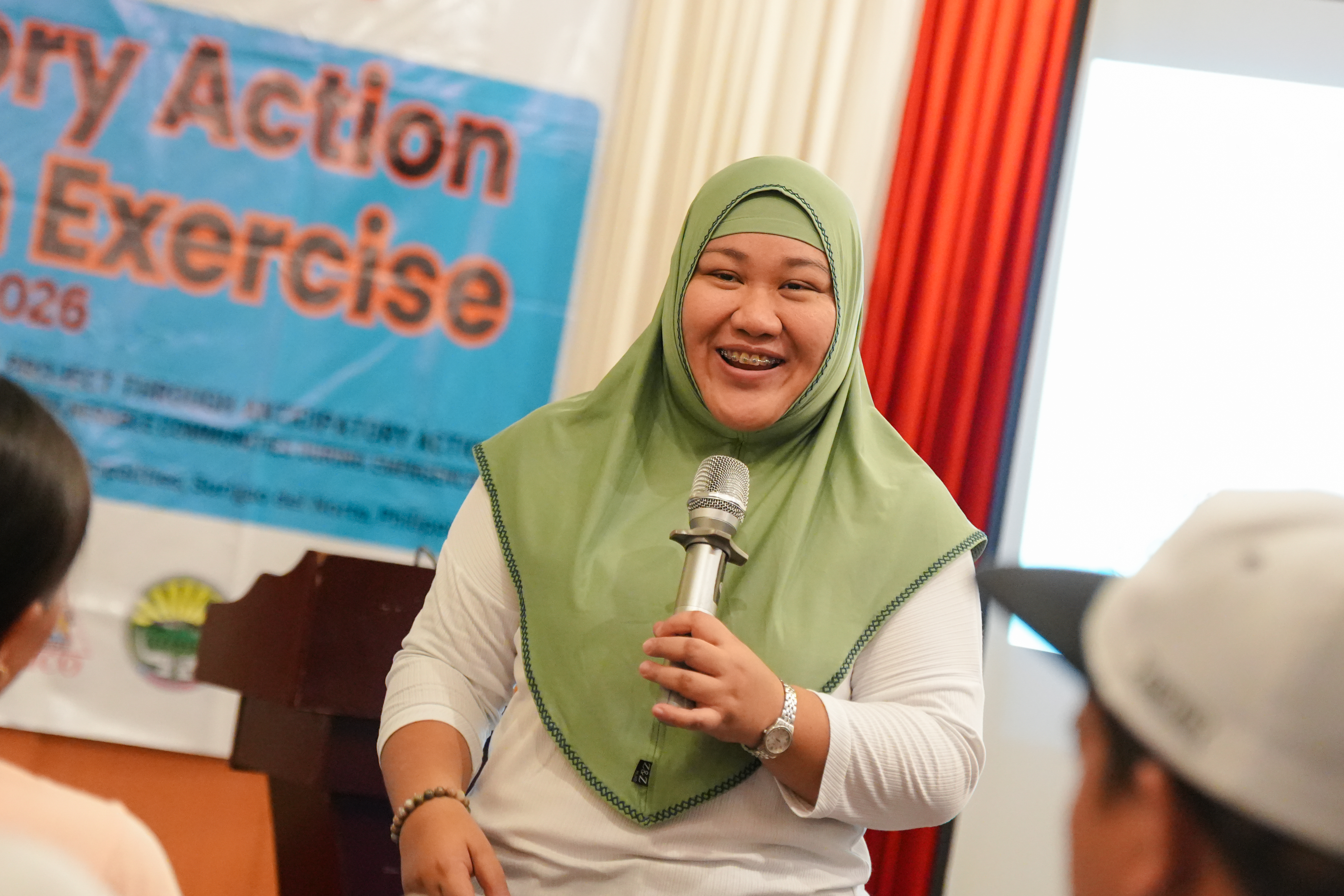
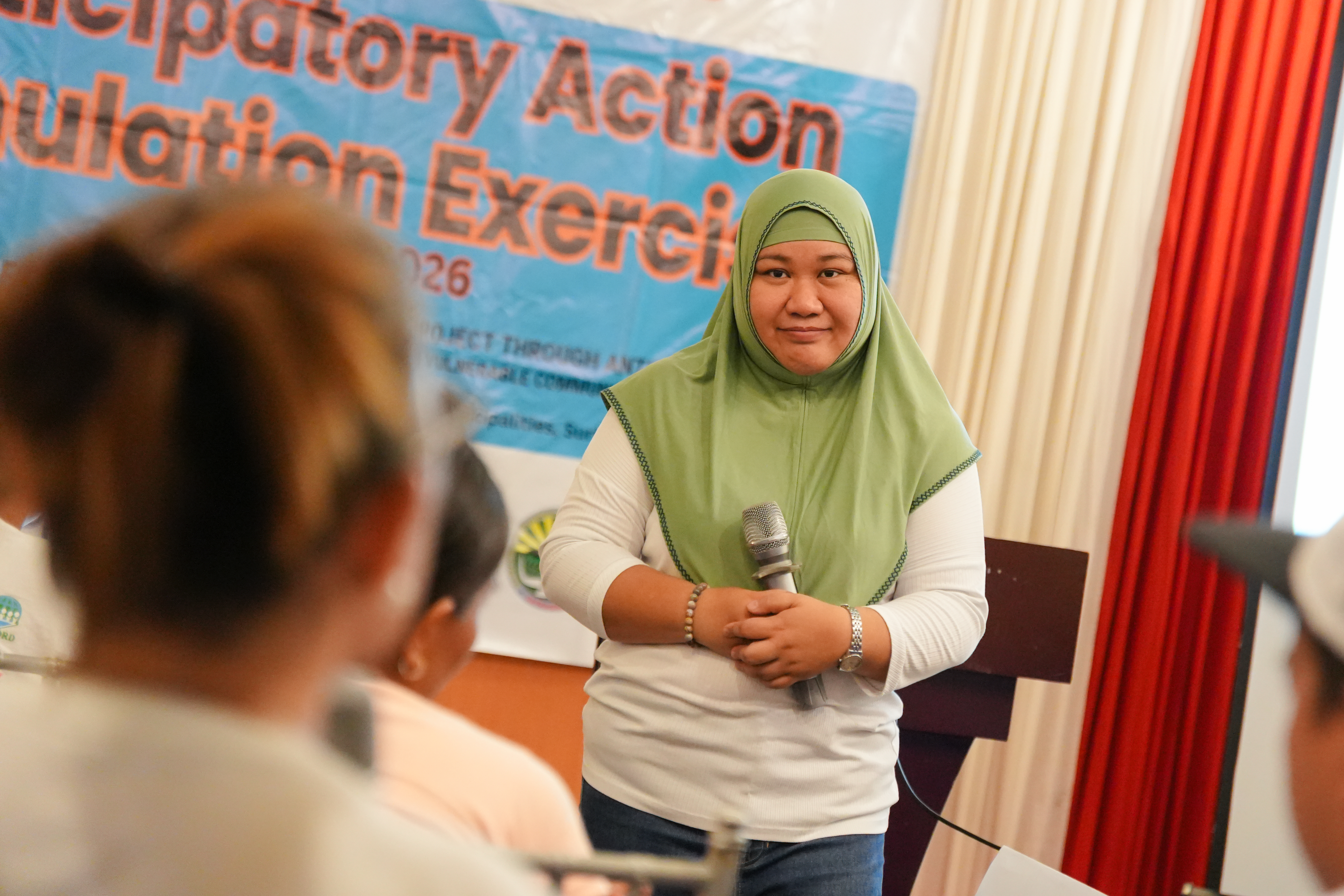
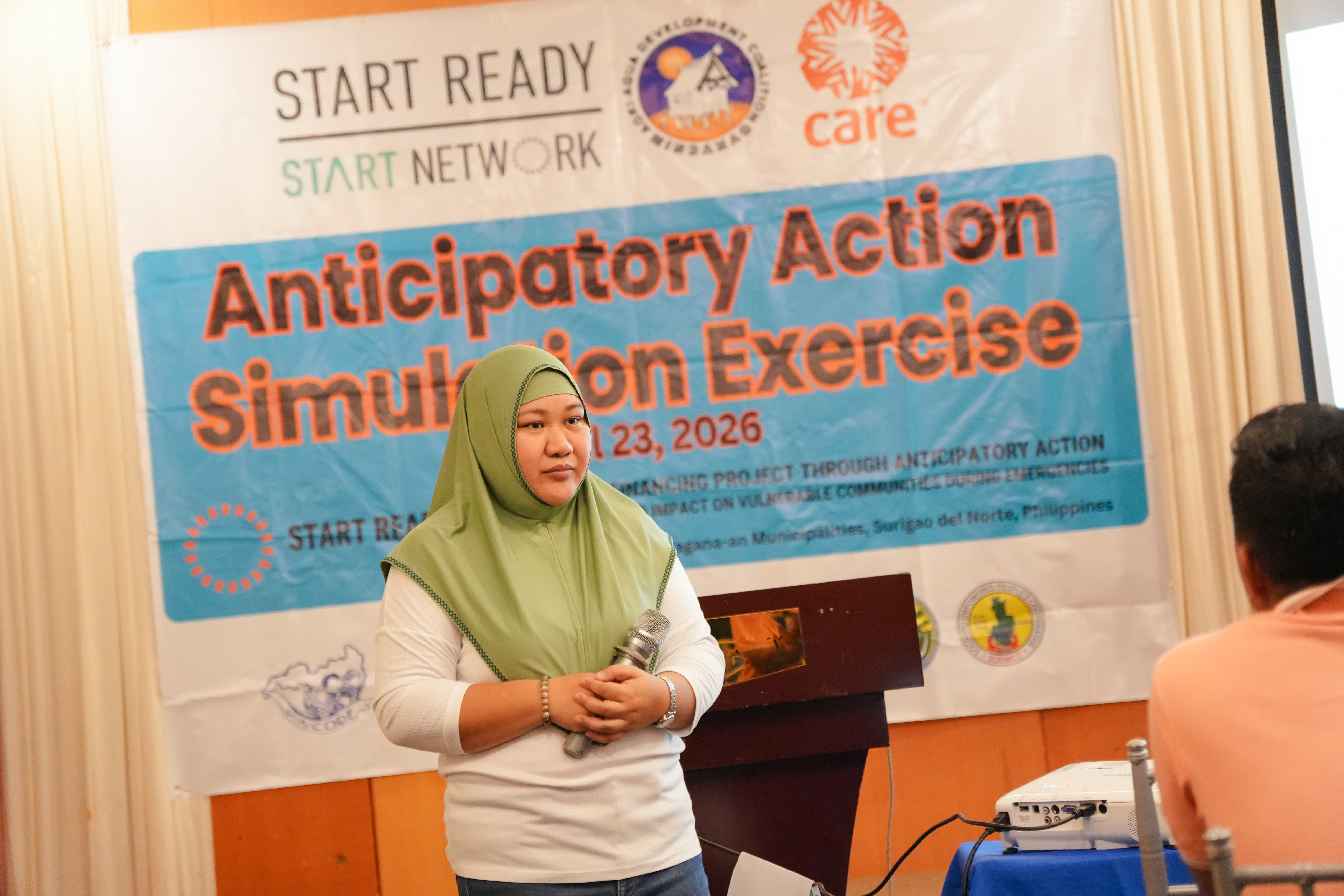
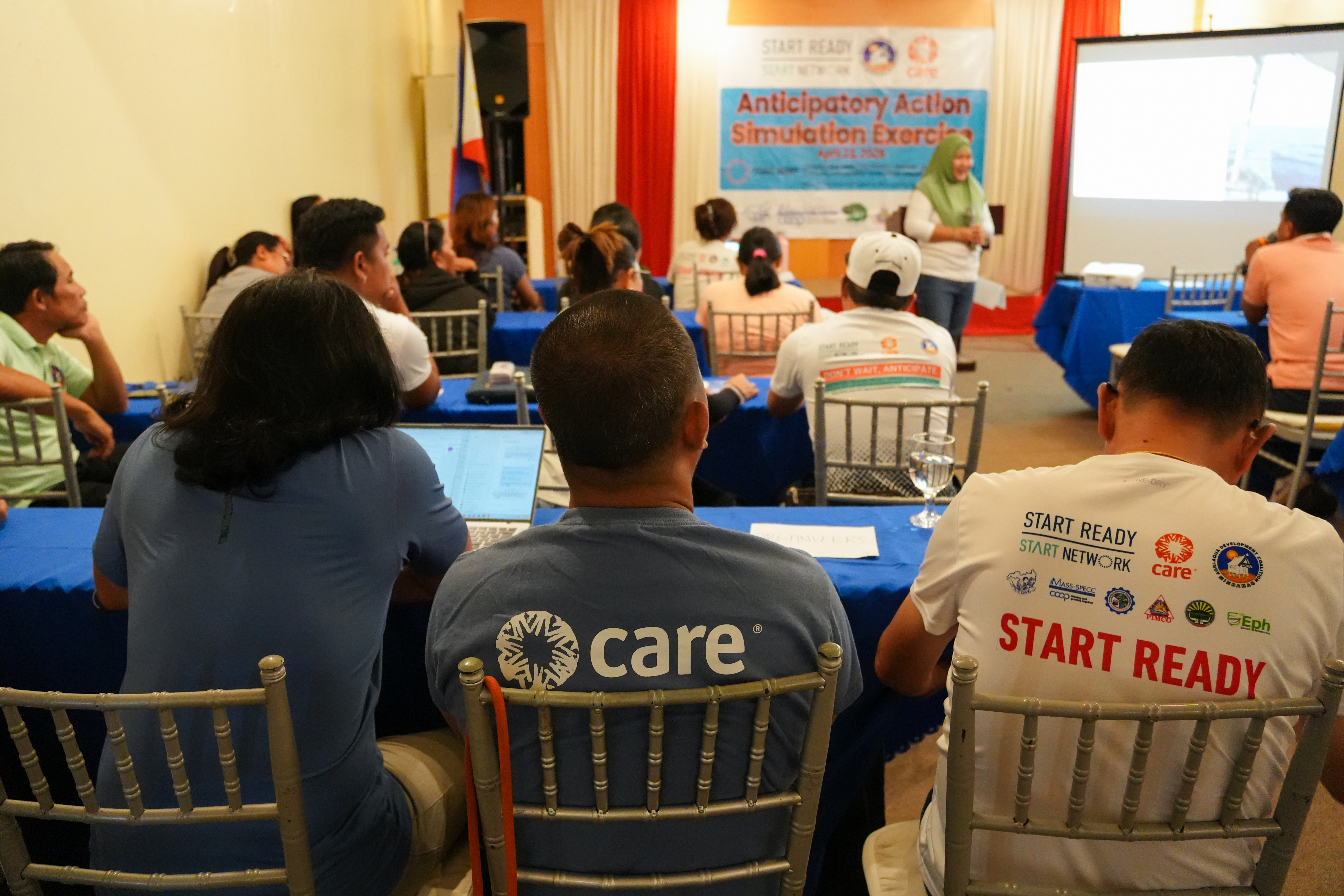
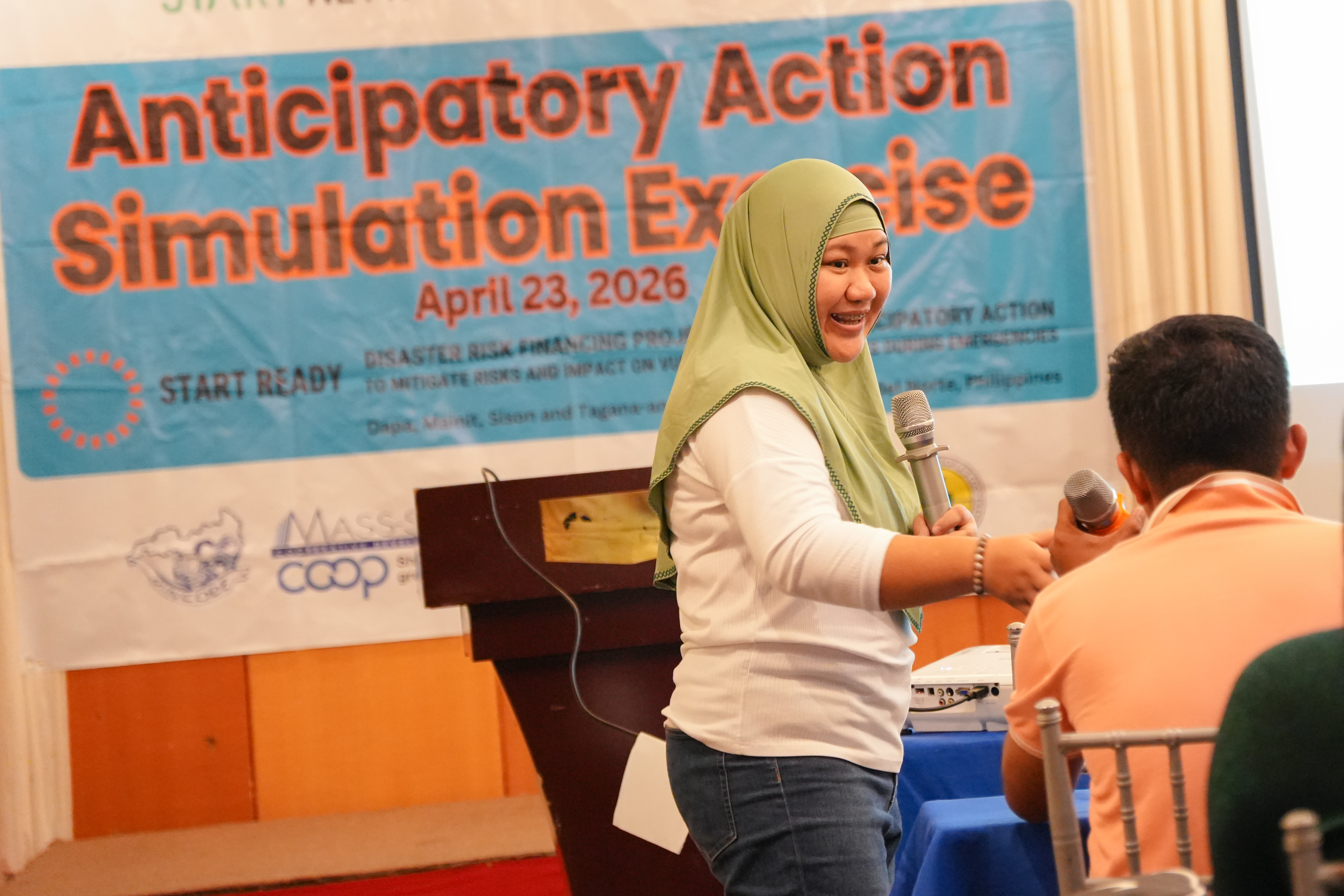
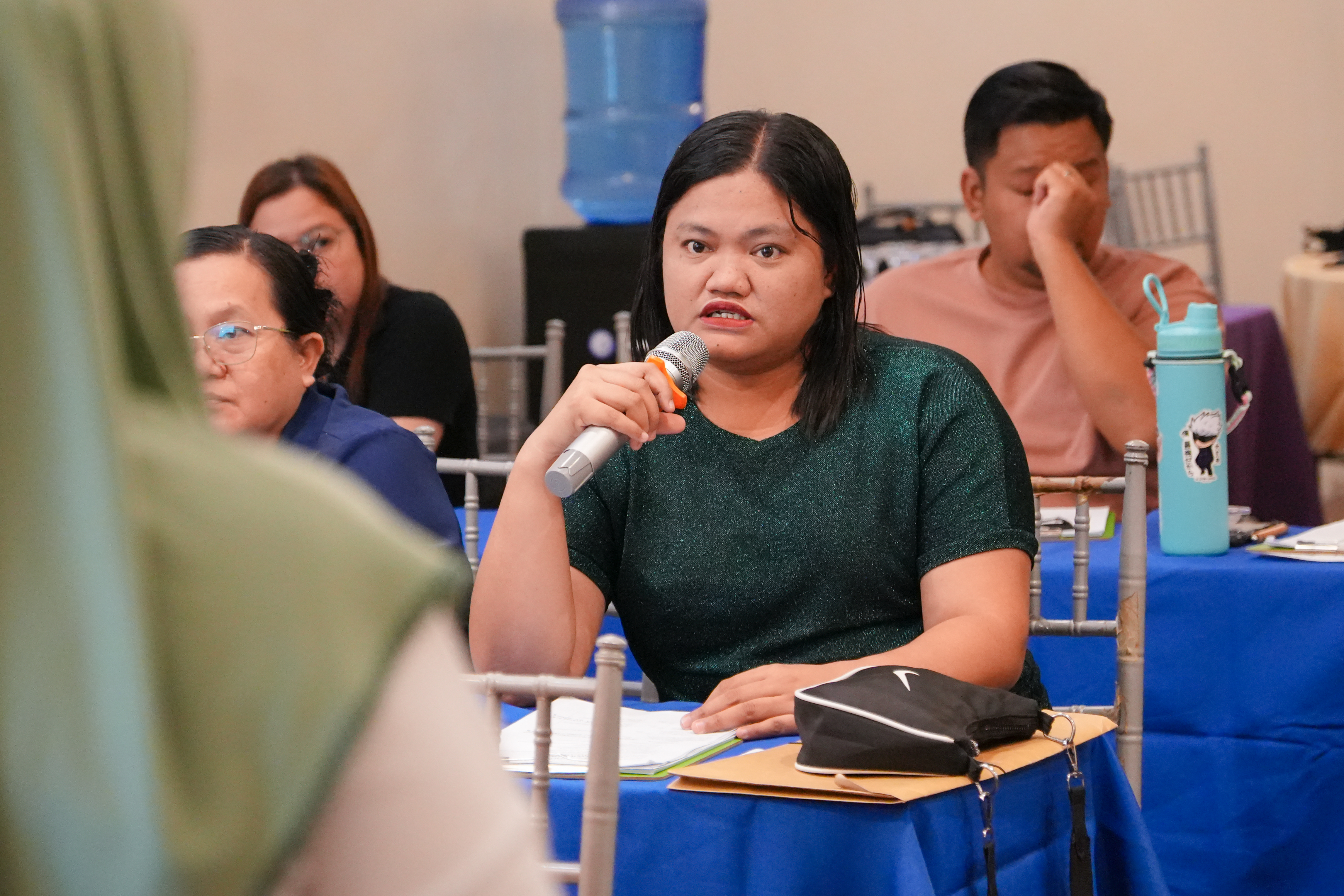
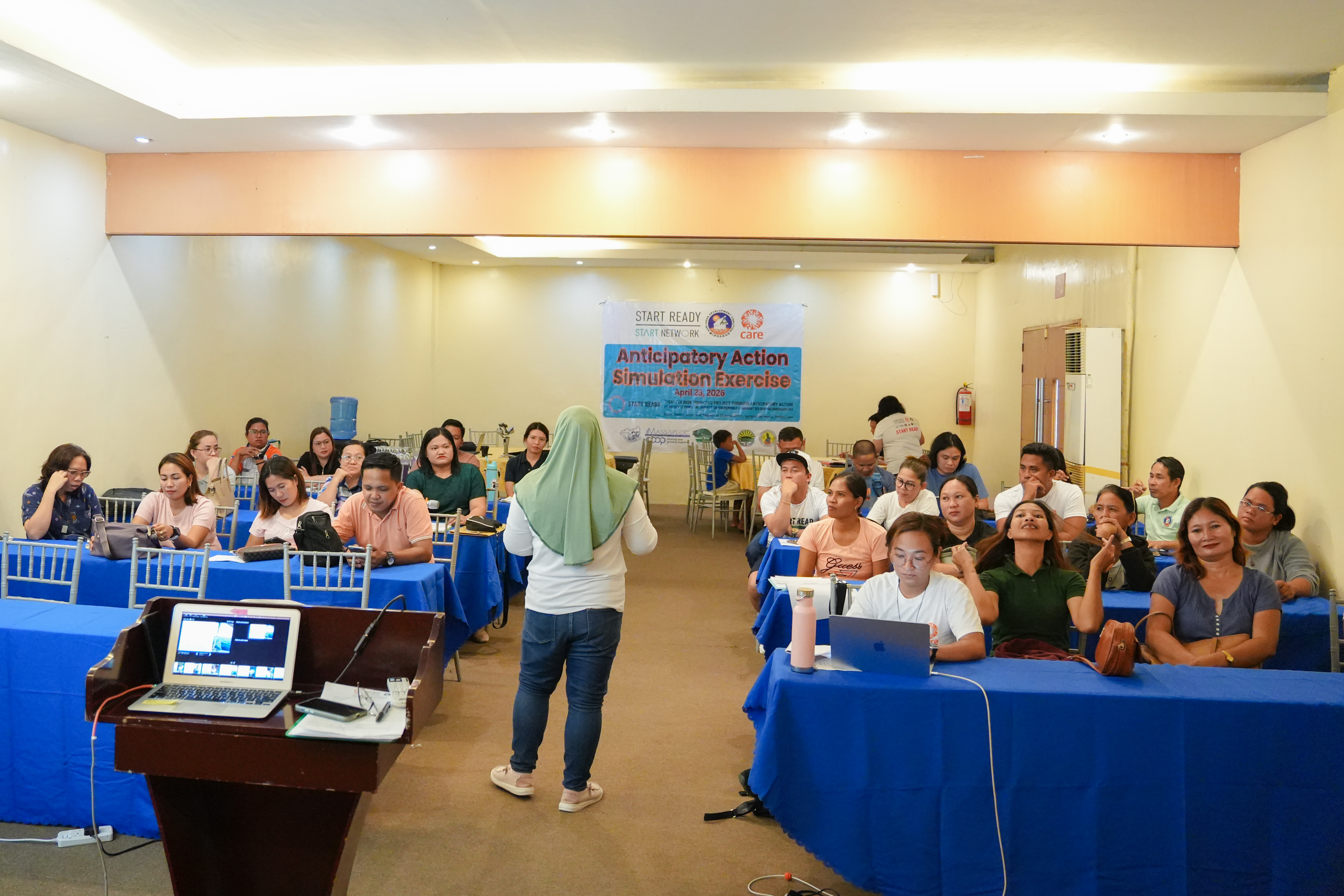
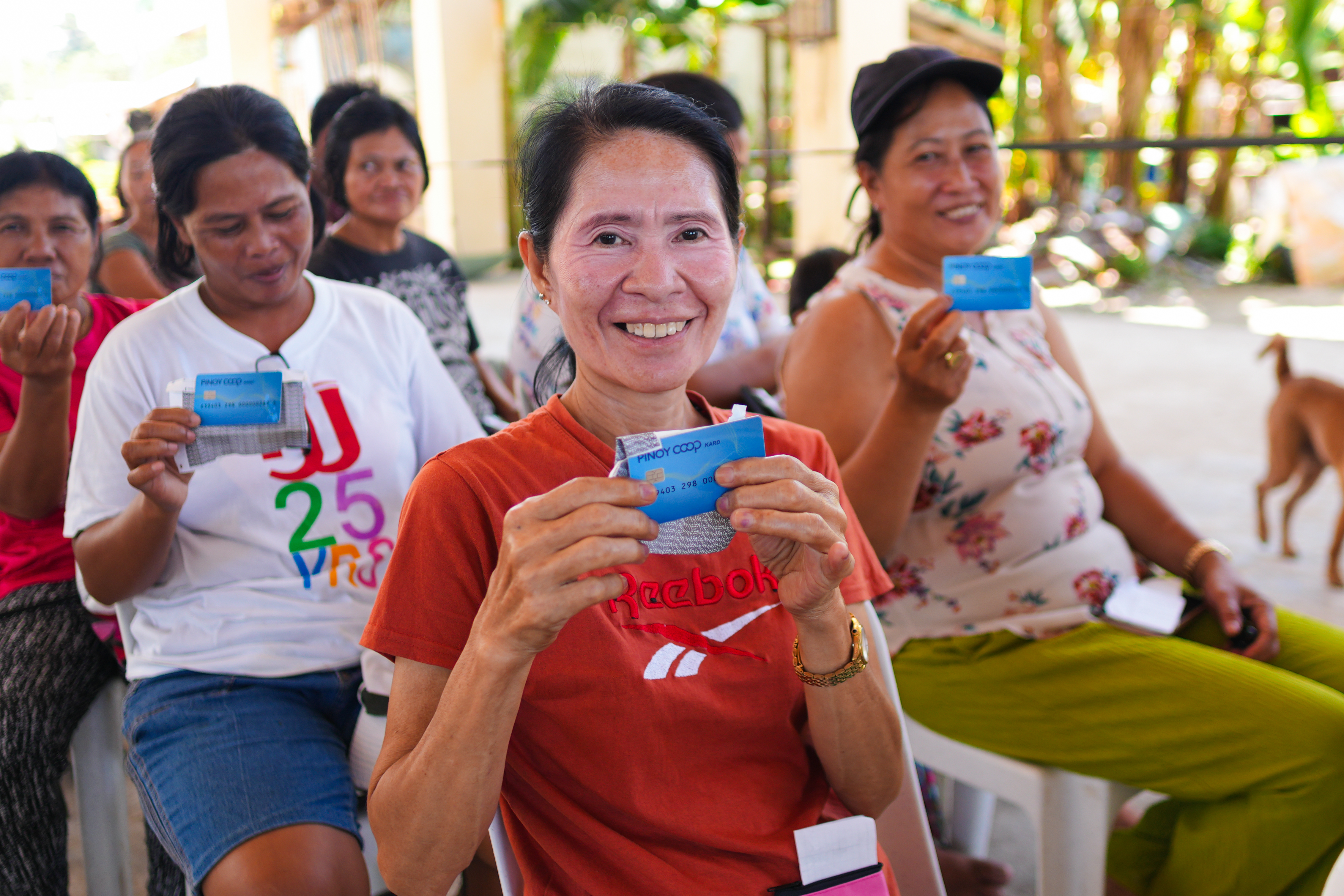
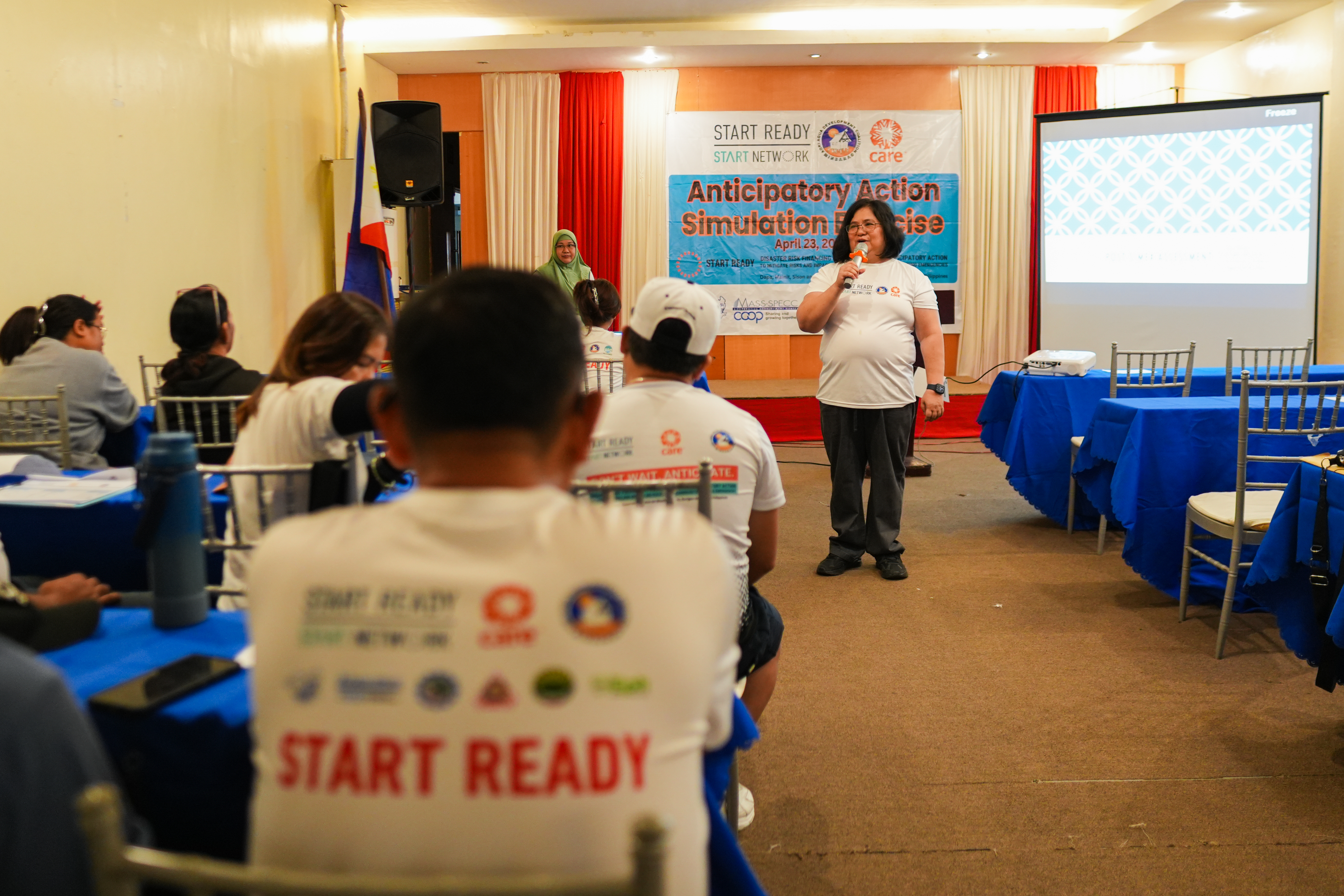
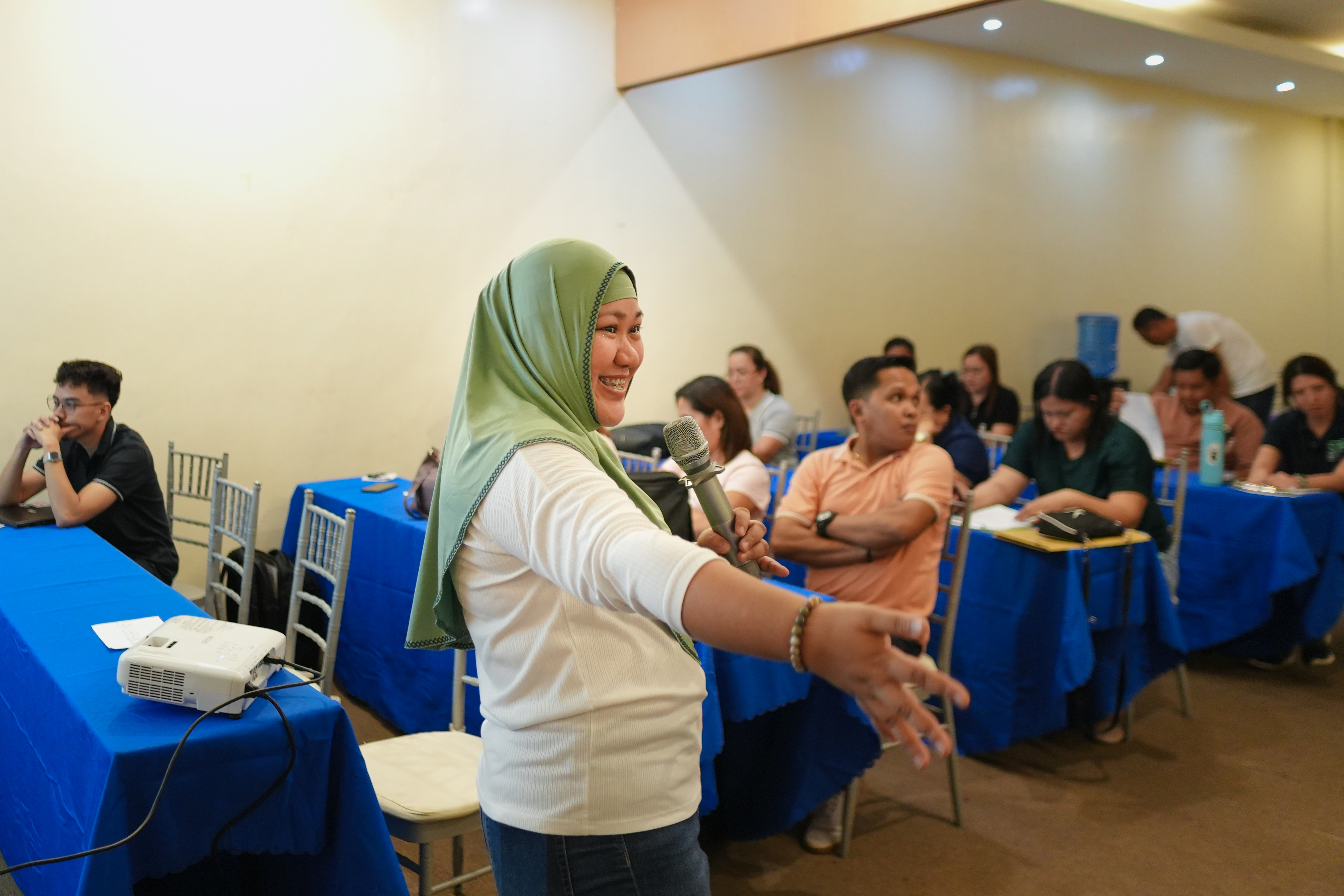
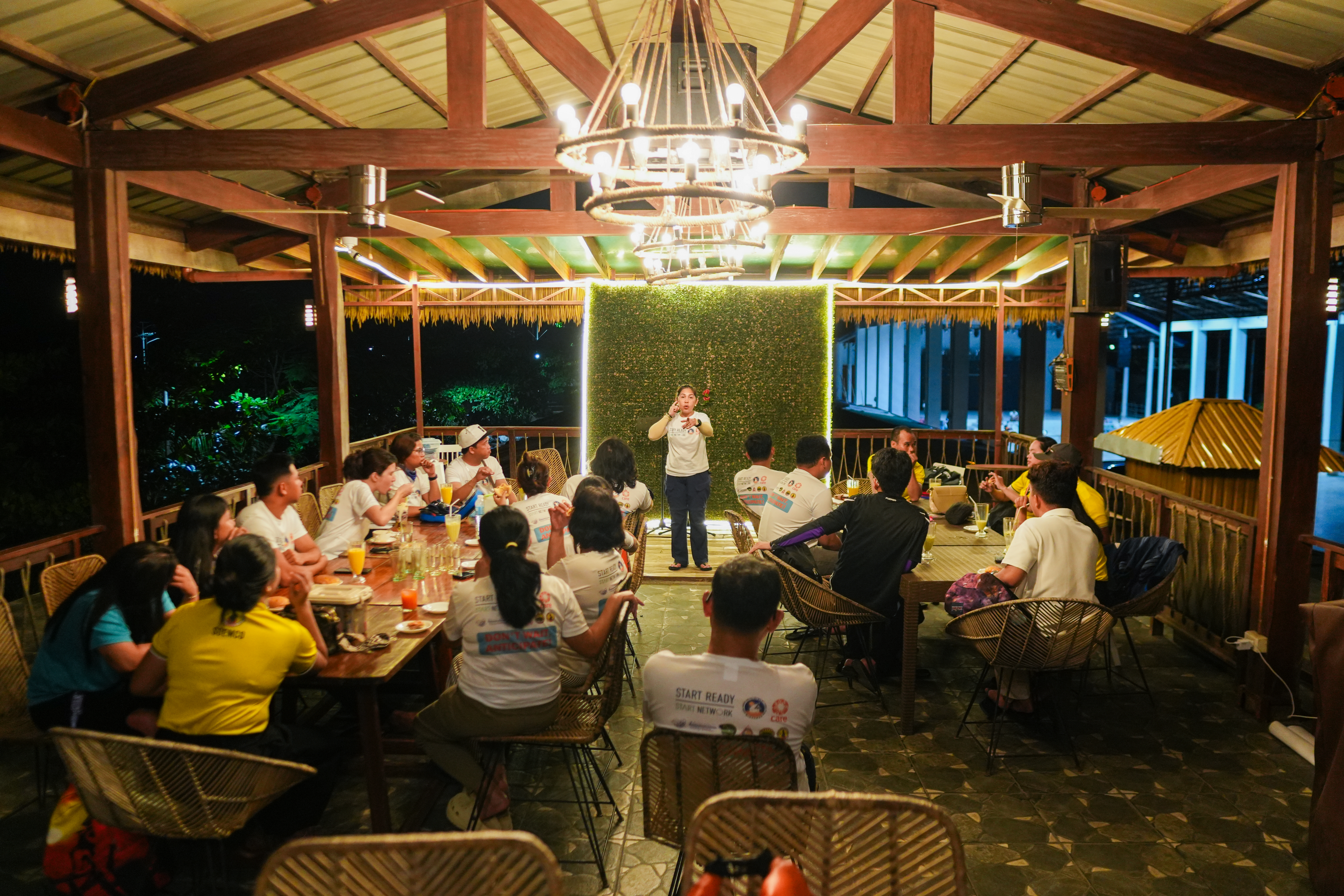
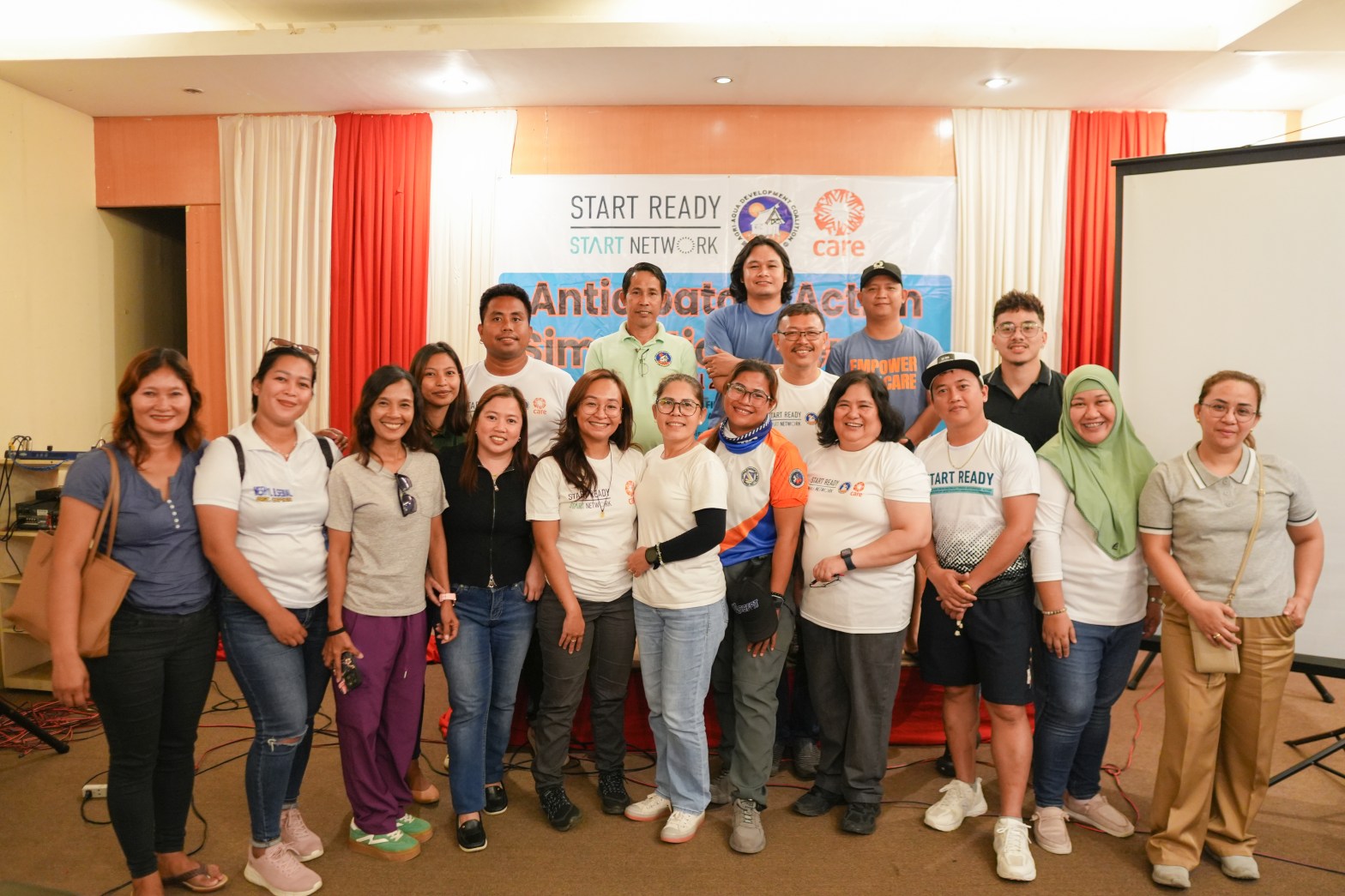
Last April 23, a Simulation Exercise (SIMEX) was conducted to test the consortium’s assumptions and pre-agreed protocols and standard operating procedures, particularly for participating island barangays. The SIMEX began at 7:00am with weather updates and risk monitoring, and followed by pre-activation activities. By 9:50am, the Start Ready Anticipatory Action was Activated with a Very High scenario and a Gale warning was also issued. This activation allowed partner households in the island barangays to use their Cash Vouchers to purchase essential goods from partner stores in their neighborhood. Common items bought were rice, sugar, coffee, eggs, and spices and seasonings. By 11:30, the Gale warning was lifted. As such, distribution of multipurpose cash assistance through the PinoyCoop system took place as soon as the distribution sites were ready. Vulnerable individuals were given priority during the distribution. By 4:00pm, all participating eight (8) island barangays have received their cash assistance. The SIMEX was concluded at around 5:00pm when all SIMEX Core Team Members and Observers were en route back to the mainland.

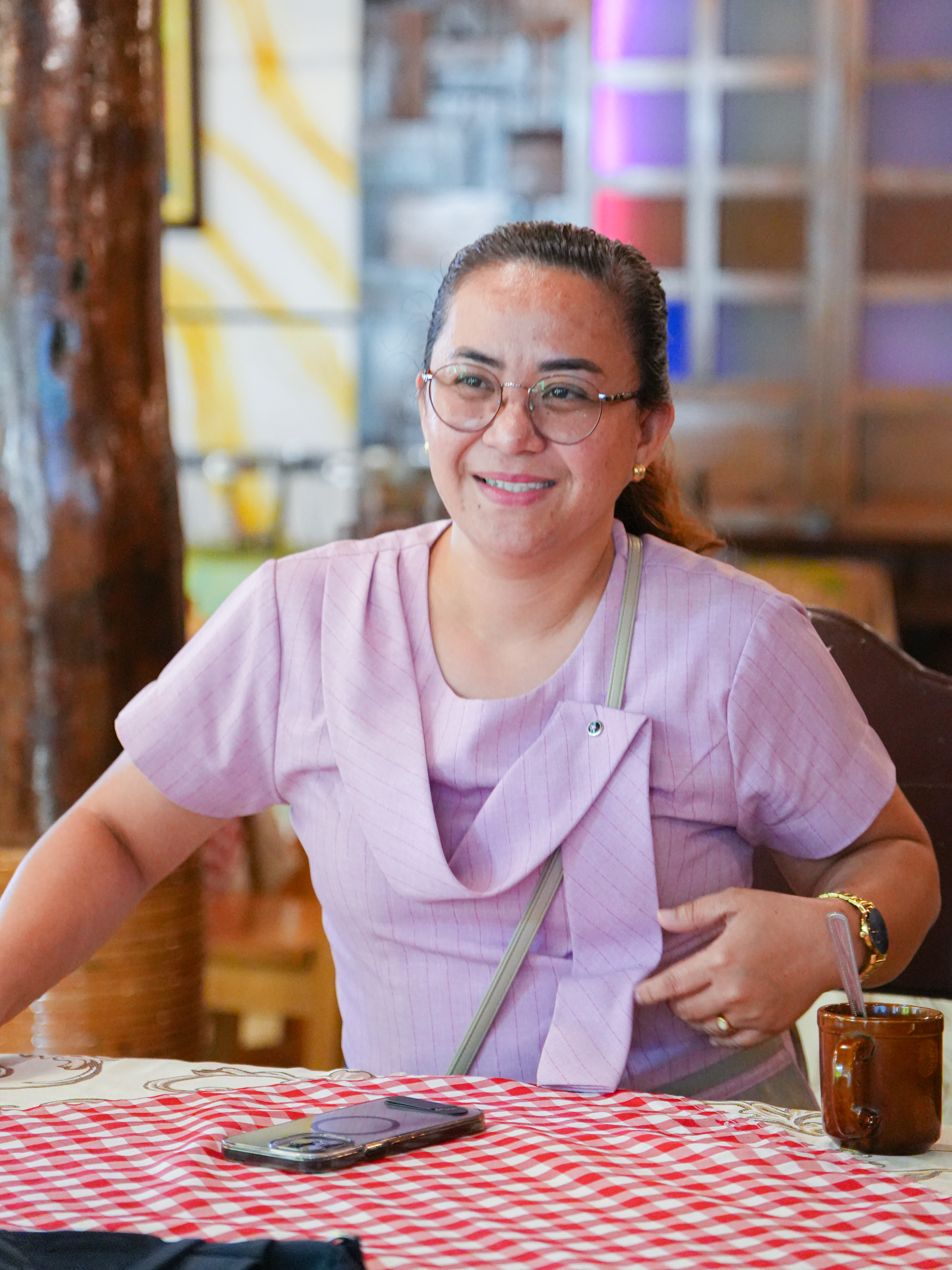
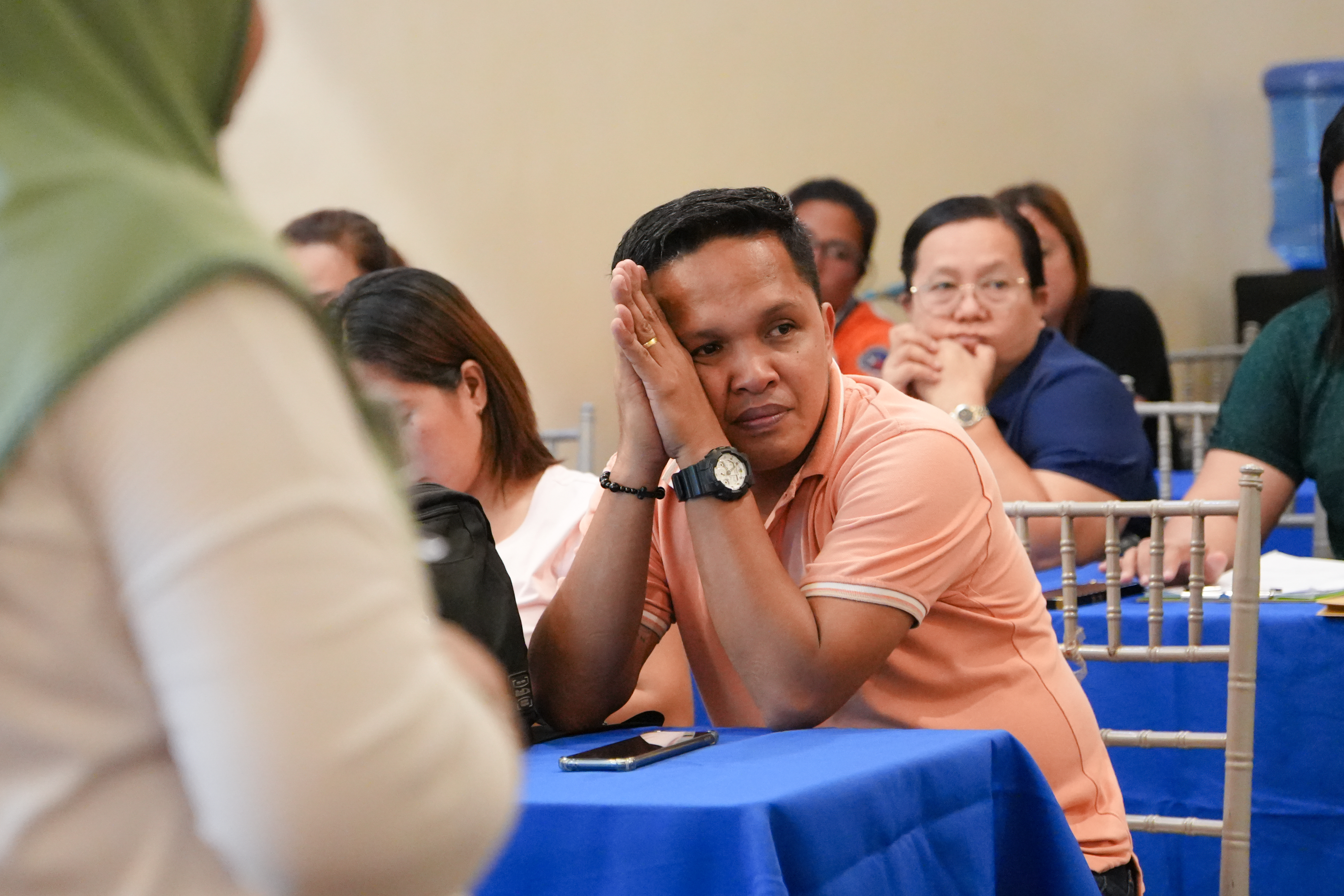
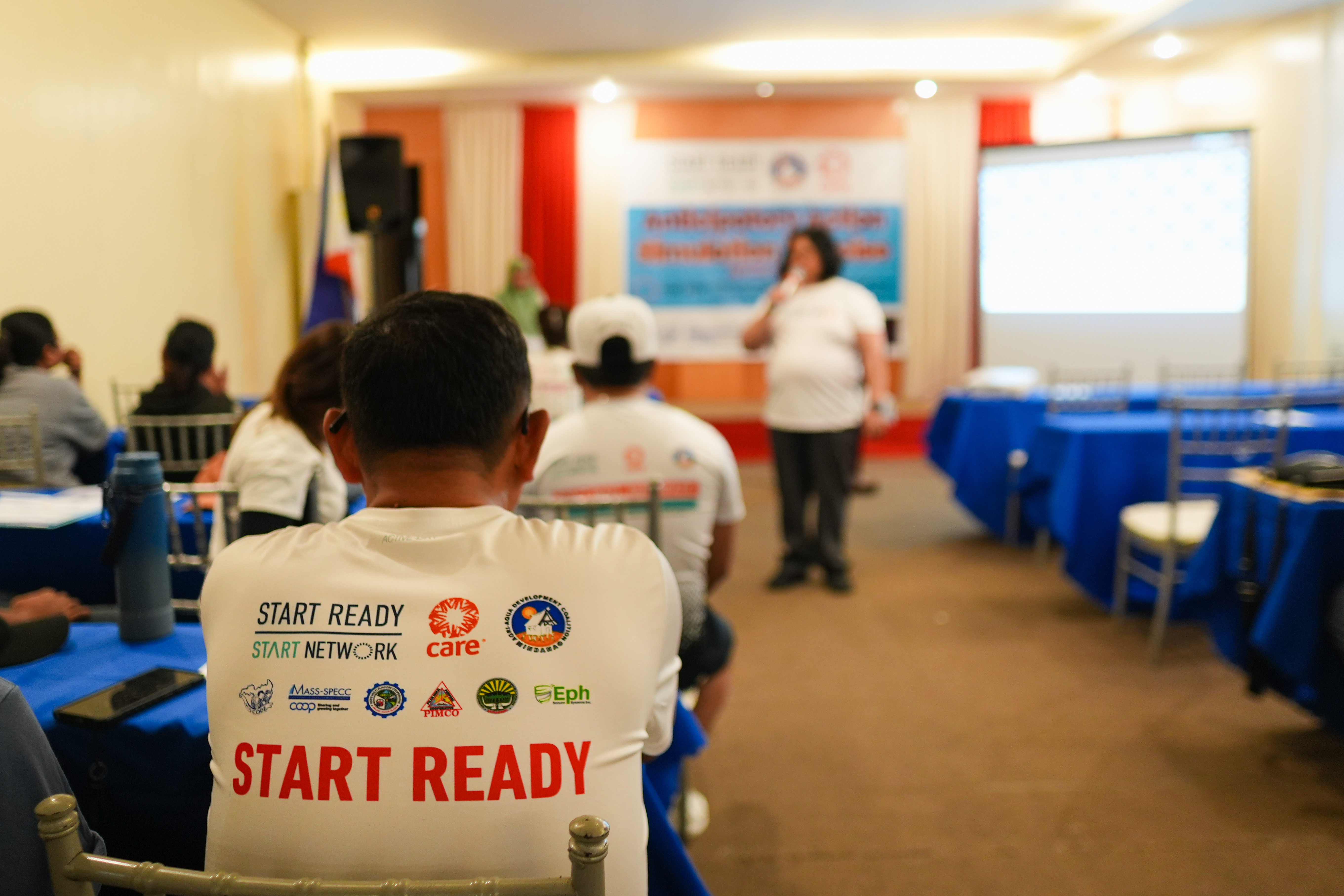
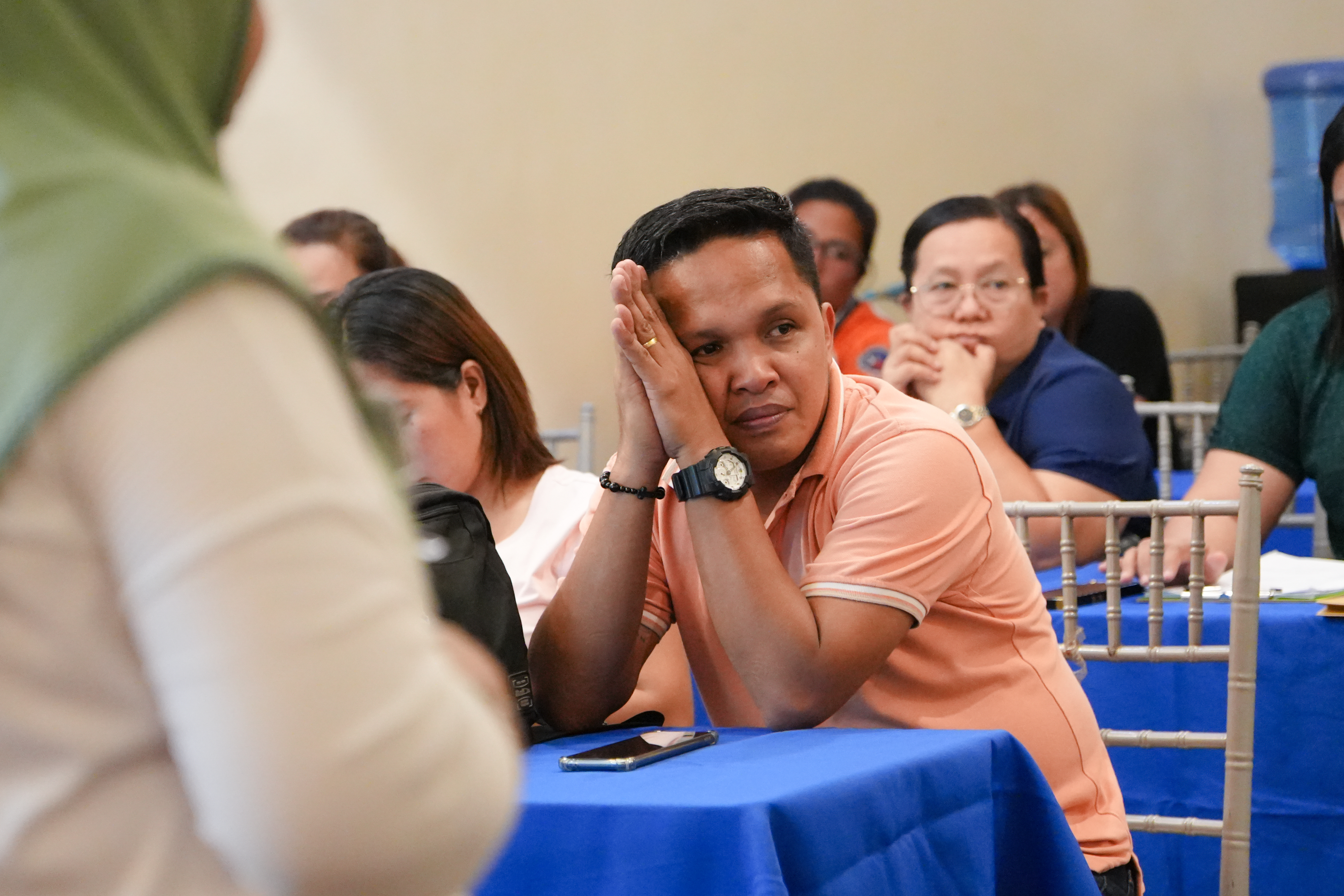
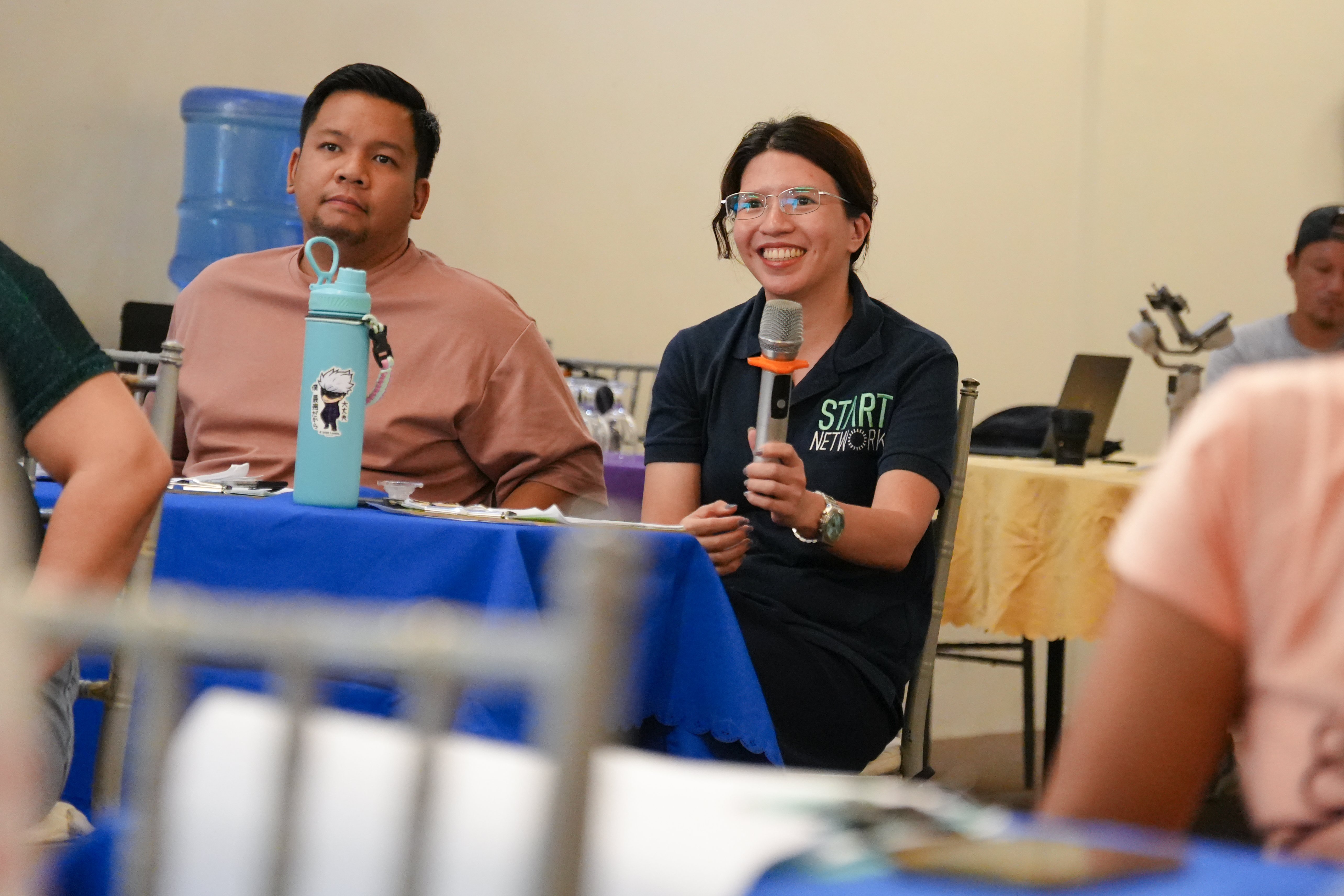
On April 24, a day after the SIMEX, a Post-SIMEX Assessment was immediately conducted to gather insights and recommendations to improve the implementation of anticipatory actions in the island barangays. MINCODE Executive Director, Ms. Raizsa Mae Anayatin, facilitated the Post-SIMEX Assessment which was actively participated by Start Network, CARE Philippines, AADC, MASS-SPECC, SAFRAGEMC, LGU representatives, partner household representatives, store owner representatives, and SIMEX Observers from PDRRMO, MDRRMO, MSWDO, and other volunteers. They shared the challenges and gaps they observed, as well as strategies and solutions made to address immediate concerns. The recommendations and suggestions generated from the SIMEX and the Post-SIMEX Assessment will serve as inputs to improve the implementation of Start Ready Project and contribute to increasing community preparedness for typhoons in Surigao del Norte.

Photo Credits: Zhynnon, AADC, CARE
2025 Third Party Monitoring

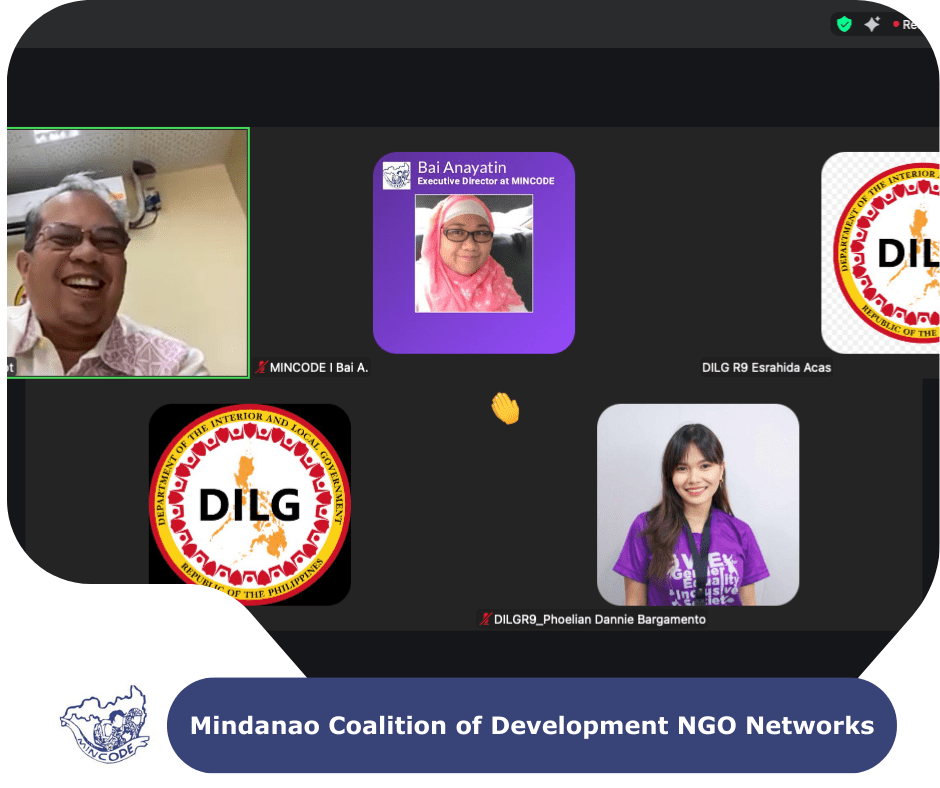
The Mindanao Coalition of Development NGO Networks (MINCODE) presented the results of its 2025 Third Party Monitoring (TPM). The presentation was made to the Department of Interior and Local Government (DILG) – Regional Office IX. This took place last Monday, December 1, 2025 through an online meeting.

The Philippine government allocated P1.51 trillion for infrastructure projects in 2024, equivalent to 5.7% of the country’s Gross Domestic Product. Considering the substantial allocation of public resources, it is imperative that implementation is transparent, accountable, and responsive to the needs of the citizens. The DILG commissioned local civil society organizations to conduct Third Party Monitoring (TPM). The TPM aims to provide an independent, non-partisan, and citizen-centered monitoring of locally-funded government infrastructure projects. This year, at least 50 LGSF-funded infrastructure projects for FY2022 to 2024 and completed as of December 31, 2024 were subjected to Third Party Monitoring.

In Region IX Zamboanga Peninsula, the DILG-Region IX and MINCODE covered 53 Projects funded by DILG through its Local Government Support Fund (LGSF) – 23 in Zamboanga del Sur, 14 in Zamboanga del Norte, 13 in Zamboanga Sibugay, and 3 in Zamboanga City. MINCODE conducted the TPM 2025 in partnership with its Member Network Regional Convenor in Zamboanga Peninsula, the Agri-Aqua Development Coalition Mindanao (AADC).

The TPM framework focused on three areas: (a) Governance and Oversight, (b) Process Implementation, and (c) Results and Citizens Feedback. The projects included farm-to-market roads, street lights, multi-purpose pavements, water systems, drainage canals, public market, school building, and ecotourism park.
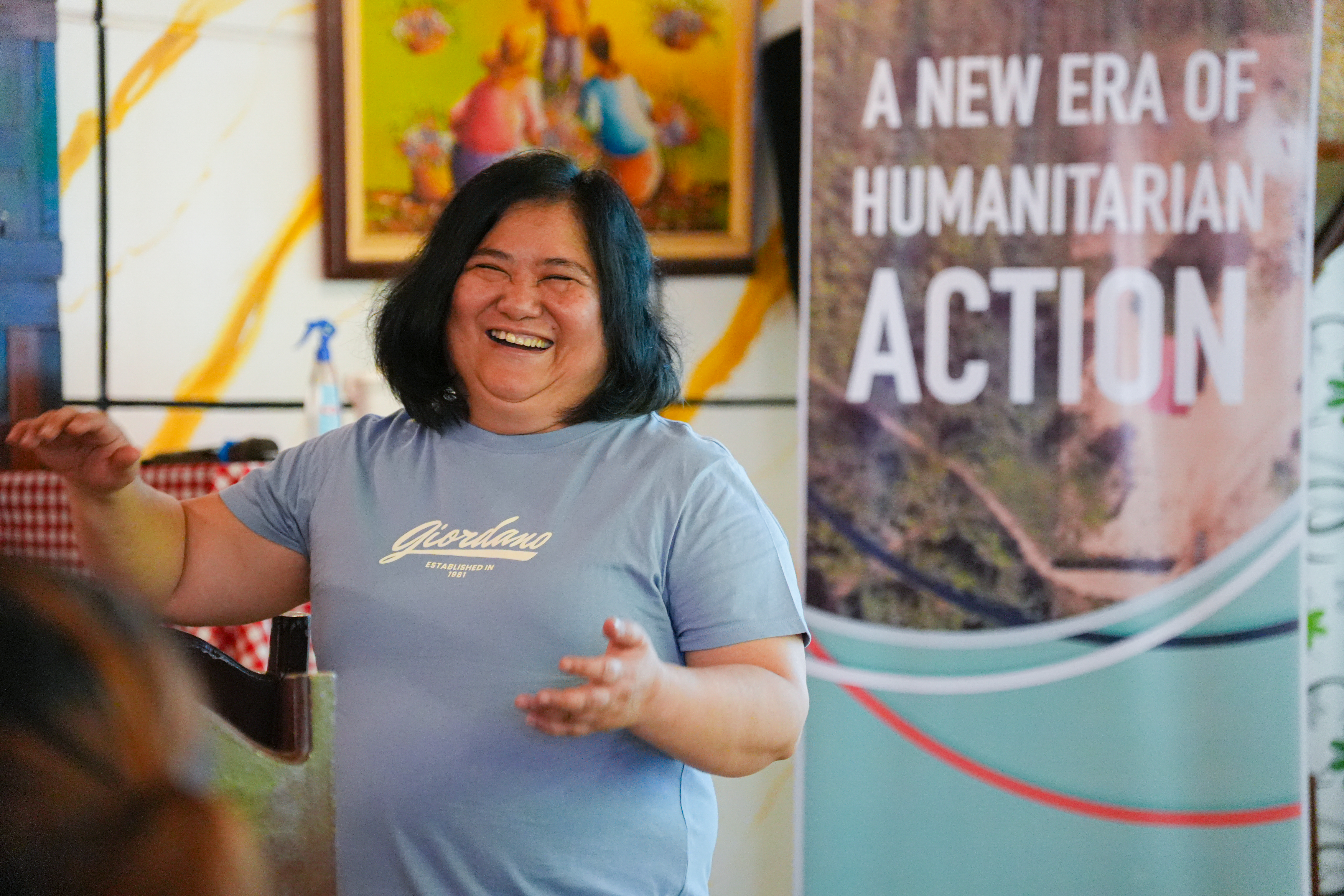
Overall, the LGSF-funded projects subjected to Third Party Monitoring this year were successfully implemented and completed. These infrastructure projects undoubtedly contribute to addressing basic needs of communities in Zamboanga Peninsula. The farm-to-market roads made way for significant opportunities for farmers, fisherfolks, and students. The water systems and health centers refreshed mindsets and practices towards better health and sanitation outcomes. Street lights brightened up futures where villagers feel safe and productive. Indeed, when government projects are implemented, Filipino communities benefit.

As part of the presentation made to the DILG, MINCODE shared its findings, issues and challenges encountered, conclusions, and recommendations. A copy of the full report may be accessed here.

At the end of the presentation, DILG ARD Engr. Carmelo Enrique Libot expressed his appreciation to MINCODE for the insightful presentation of results of the Third Party Monitoring. He invited MINCODE to continue to share recommendations to improve LGU performance and promote citizen participation in governance. The DILG-IX Project Development and Management Unit headed by Engr. Esrahida Acas, together with its focal person for TPM, Engr. Dani Bargamento, also expressed their appreciation for the successful delivery of TPM services despite the limited timeline. In turn, MINCODE Executive Director Ms. Raizsa Mae M. Anayatin thanked DILG Region IX for trusting MINCODE. Furthermore, she appreciated them for enabling local civil society organizations to provide independent, non-partisan, and citizen-centered monitoring of government projects through TPM.

You’re Invited: Orientation of Psychosocial Support for Survivors of Earthquakes in Davao Region

On October 10, 2025, a rare and powerful “doublet earthquake” occurred in Davao Region. It consisted of two major tremors within the same day – magnitude 7.4 at around 9:43 in the morning and magnitude 6.8 at around 7:00 in the evening. Each quake triggered tsunami warnings and caused widespread disruption. 

With support from CARE Philippines, MINCODE was able to mobilize its members, particularly Kahugpungan sa Mindanao (KAMI) and Agri-Aqua Development Coalition Mindanao (AADC), to undertake rapid damage and needs assessments. As assessment activities are undertaken, immediate relief support were provided. 

Assessment results show that women and children in coastal and remote areas faced heightened vulnerability, especially due to displacement, disrupted services and potential exposure to protection risks. More particularly, psychosocial support is really needed and yet very few can provide this.

In view of this, MINCODE and its member Agri-Aqua Development Coalition Mindanao (AADC) jointly organized this Crash Course on Psychosocial Support. The session will be led by Professor Shella Marcela Padilla-Villanueva, PhD of the University of San Agustin, Iloilo City. Dr. Villanueva currently serves as the Academic Supervisor of the BS Psychology Program of the University of San Agustin. She pays a significant role in community-based mental health initiatives, particularly through her involvement with the KaTUWAng Program – a strategic partnership between the university and the Iloilo Provincial Government. Her work exemplifies a strong commitment to service-learning and mental health advocacy, bridging academic training with real-world impact.

The online crash course on psychosocial support will be held on Wednesday, October 15, 2025, at 6:30 PM via Zoom.

Join Zoom Meeting
https://us06web.zoom.us/j/86046553755?pwd=FWcbqVLCNnYdeR8lp9bpg6E0MgfTLy.1

Meeting ID: 860 4655 3755
Passcode: dasigdavao

Invitation: 9th PSEA Learning Exchange Session

The United Nations Philippines and the PSEA Network Philippines are pleased to invite stakeholders to the 9th PSEA Learning Exchange Session. This session will focus on the Government and Non-Government Organizations’ Investigation Policies and Practices on Sexual Harassment, Exploitation, and Abuse (SHEA). It is scheduled for September 29, 2025, from 2:00pm to 5:00pm, via MS Teams.

Guest speakers will be from the Civil Service Commission and Plan International Pilipinas. The representative from the Civil Service Commission will present the latest 2025 Rules on Administrative Cases in the Civil Service. Moreover, the representative from Plan will talk about the actual conduct of investigations. They will also discuss challenges, scenarios, and practices in handling SHEA cases.

MINCODE Members and Partners who are interested to join this session may do so through this link:  

Join the meeting now

Meeting ID: 359 221 901 022 3

Passcode: 4FF6vb66

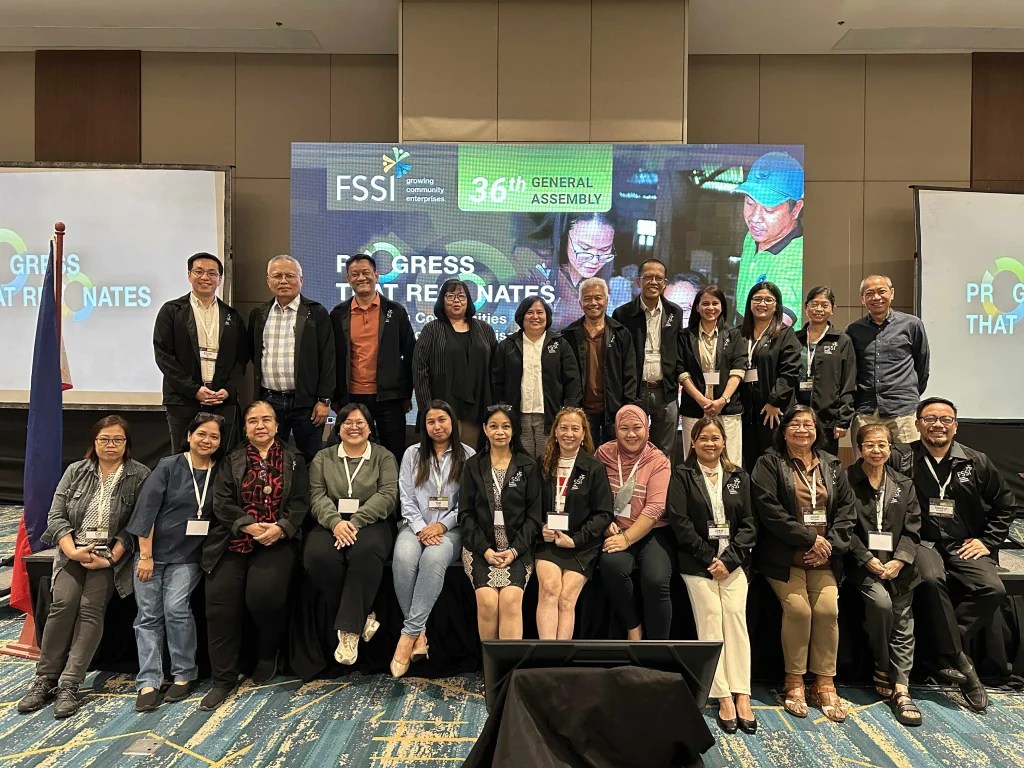
MINCODE Congratulates FSSI: 30 Years of Building Impact and Empowering Communities through Social Enterprises

The Foundation for Sustainable Society, Inc (FSSI) is a network of dynamic development organizations which promotes the triple bottom line (3BL) of sustainability: People, Planet, and Profit. FSSI aims to provide social investments to enterprises through the 3BL strategy and envisions empowered communities that uphold social justice, respecting integrity of creation, and realizing fullness of life.

FSSI was established in 1995 following a landmark debt-for-development swap between the Government of the Philippines and the Swiss Confederation. A counterpart fund was set up and entrusted to FSSI, which was tasked with supporting sustainable development initiatives for marginalized communities across the Philippines.

Through the years, FSSI supported over 300 social enterprises that not only deliver economic value but also contribute to social good and environmental stewardship. Indeed, FSSI is one of the leading social investment organizations in the Philippines.

On the occasion of FSSI’s 30th anniversary and as one of FSSI’s member organizations, MINCODE extends its heartfelt congratulations to FSSI on three decades of empowering communities and advancing sustainable development. MINCODE proudly recognizes FSSI’s pivotal role in fostering inclusive growth, social enterprises, and long-term positive impact. We honor FSSI’s contributions to sustainable livelihoods, especially in Mindanao communities, and we look forward to continued collaboration in advancing shared development goals for underserved and historically marginalized Filipinos.

For more information about FSSI, you may visit the website: FSSI.COM.PH.

From Documentation to Action: DILG IX Responds to MINCODE’s OGP Findings with LGU Capacity Building

September 12, 2025 –

In a virtual session held earlier today, MINCODE shared the results of its comprehensive documentation of Open Government Partnership (OGP) initiatives implemented by 16 LGUs in the Zamboanga Peninsula.

Copy of the OGP Documentation in Region IX is available here.

Considering the observations and results from the documentation, MINCODE provided the following recommendations:

On Transparency:

(1) Promote peer learning from high-performing LGUs to improve adoption of transparency practices. 

(2) Invest in digital infrastructure to enable livestreaming of budget planning sessions and online legislative tracking systems. 

(3) Provide technical support and equipment to LGUs facing connectivity and capacity challenges. 

(4) Encourage FOI institutionalization by advocating for the passage of a national law, supporting the development of local ordinances even in the absence of a national legislation, and facilitate capacity building activities.

(5) Encourage the use of charts and infographics in presenting and posting the LGU budget and fund utilization on the Full Disclosure Boards and Full Disclosure Policy Portal. Urge LGUs to make public documents, such as CDP, CLUP, and LGU profile and sectoral status, more accessible online. 

On Accountability:

(1) Support LGUs in adopting real-time online budget reporting through training, digital tools, and policy support. 

(2) Encourage formation of ethics committees and conflict of interest policies to strengthen internal checks and integrity mechanisms. 

(3) Develop clear performance metrics for LGU plans to ensure that local programs have measureable success indicators. 

(4) Develop performance assessments for elected officials to enhance public trust.  

(5) Revisit policy and practice on formulation and adoption of long-term development plans to ensure that it is aligned with the term of office of elected officials. 

On Participation:

(1) Expand digital literacy and access to promote remote participation in planning and budgeting. 

(2) Support creation of Local People’s Councils and citizen advisory boards to institutionalize inclusive decision-making. 

(3) Sustain capacity building programs for CSOs to ensure meaningful engagement in planning, budgeting, and procurement. Facilitate annual CSO forums and inter-LGU exchanges to share best practices and strengthen multi-sectoral collaboration. 

(4) Facilitate annual CSO forums and inter-LGU exchanges to share best practices and strengthen multi-sectoral collaboration. 

After hearing the findings and recommendations, DILG-IX officials committed to support LGUs in building their capacities. Regional and provincial learning exchanges will be organized to share learnings and best practices from high-performing LGUs. Peer-to-peer engagements will also be facilitated to foster culture of collaboration and learning.

Indeed, the OGP Documentation serves as a springboard and evidence-based programming for future LGU capacity building interventions in Zamboanga Peninsula. MINCODE shall fully support initiatives to turn this documentation into actions.