Situation Overview
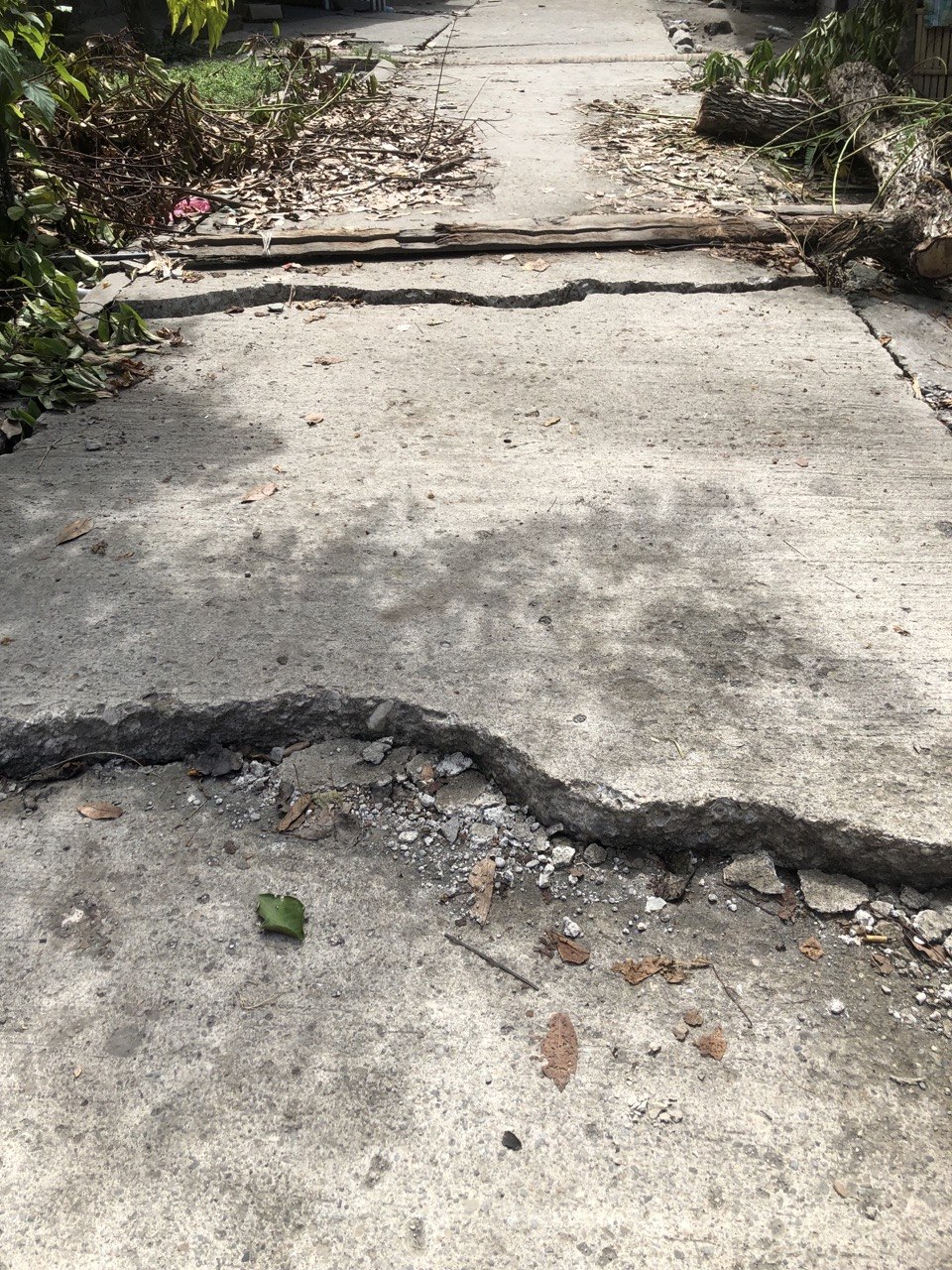
- On June 8, 2026 at around 7:30am, a magnitude 7.8 earthquake struck 32 kilometers offshore of the Municipality of Maasim in Sarangani Province, with a depth of 33 km along the Cotabato Trench, caused by thrust faulting between the Philippine Sea and Sunda plates. It is the strongest earthquake in the Philippines since 1990, with a maximum intensity of VIII (very destructive).
- As of June 12, 2026, the National Disaster Risk Reduction and Management Council (NDRRMC) reported 61 deaths, 1,221 injuries, and 31 missing in the Philippines. The earthquake affected a total of 43,716 families or 197,750 persons in 231 barangays in Regions IX, XI, XII and BARMM. Emergency evacuations were conducted for around 10,000 families living in coastal areas in Sarangani and Sultan Kudarat due to tsunami warnings. Over 3,000 aftershocks have been recorded, including magnitudes up to 6.7, and aftershocks may continue for weeks.
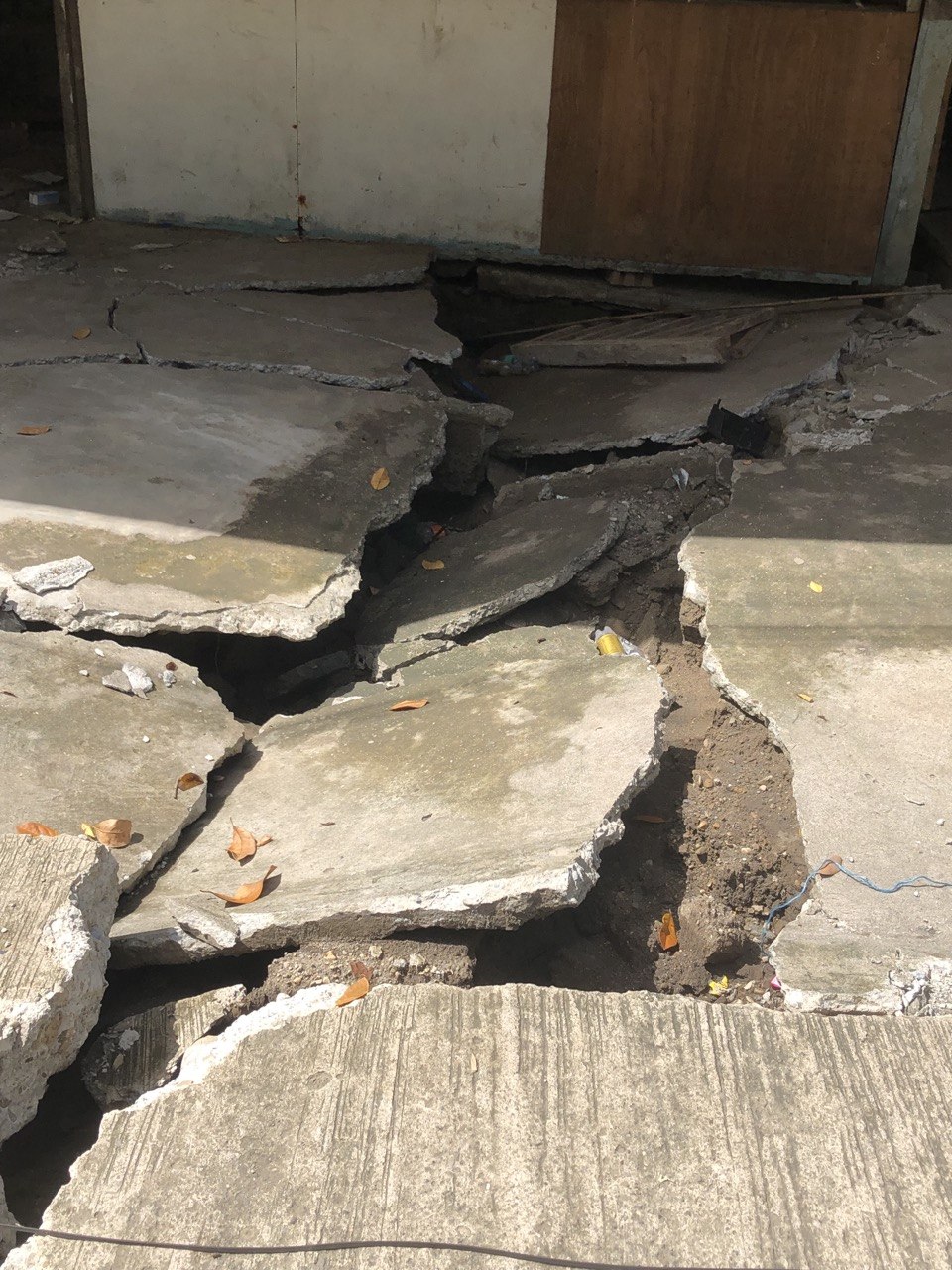
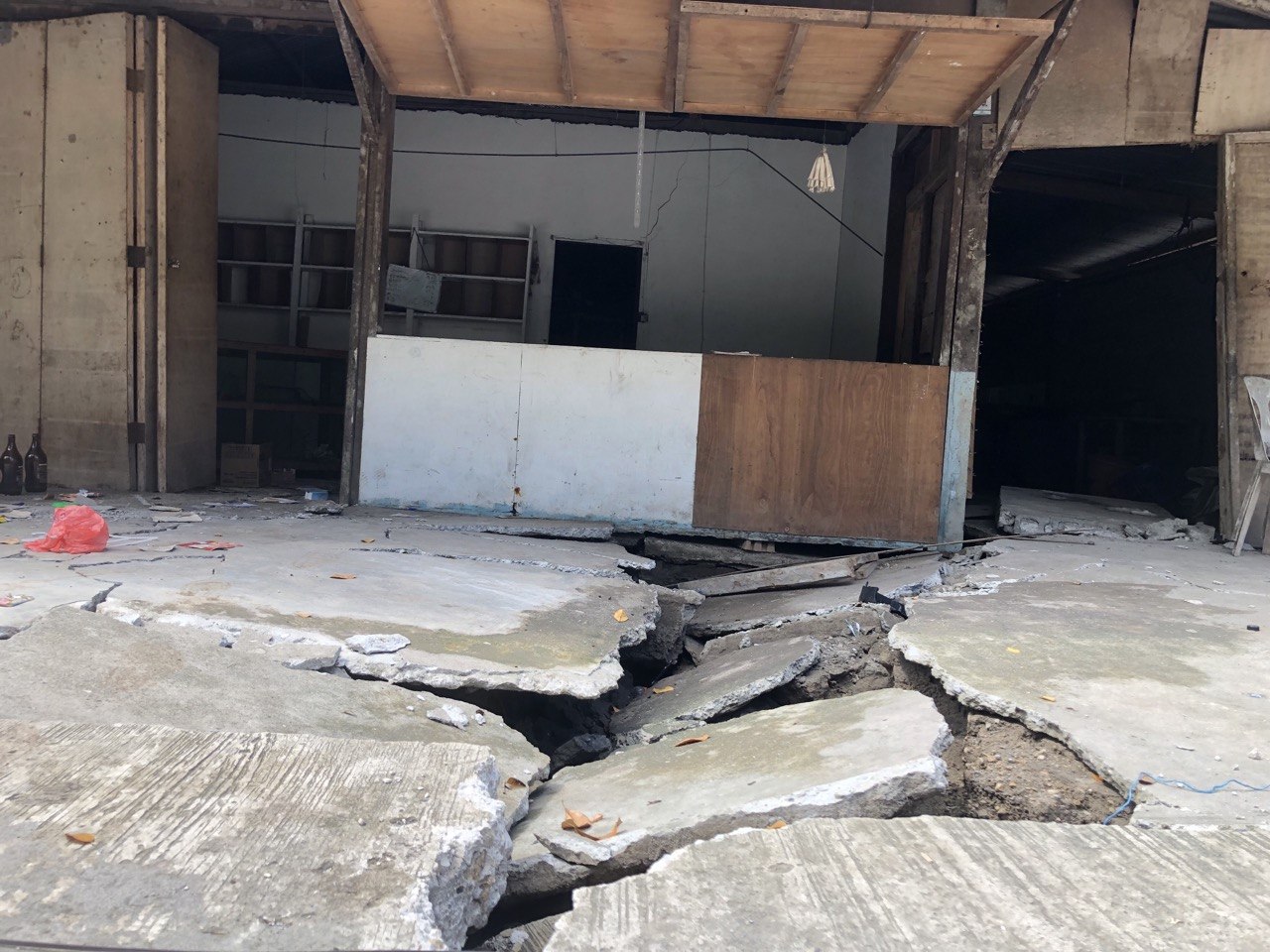
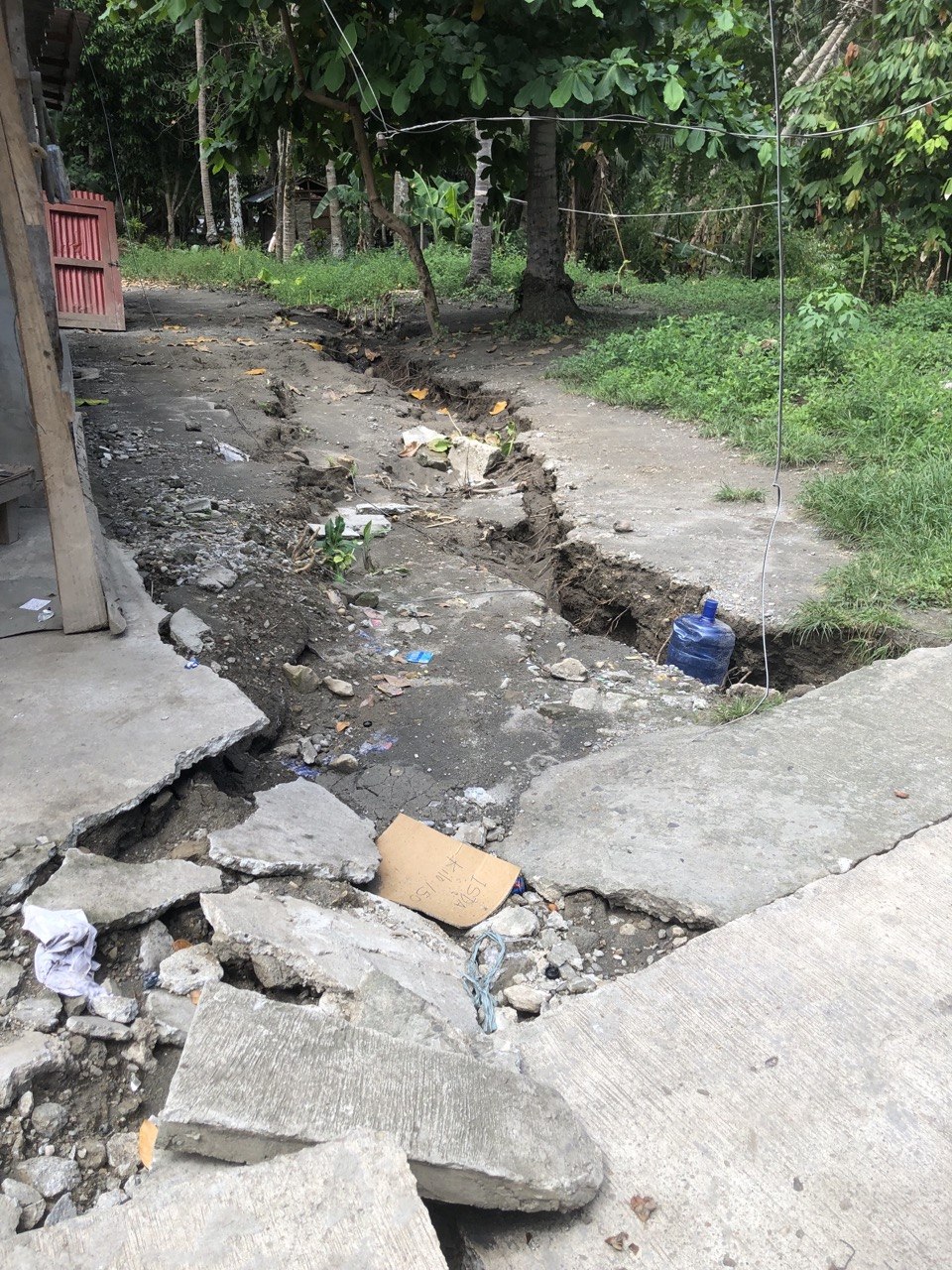
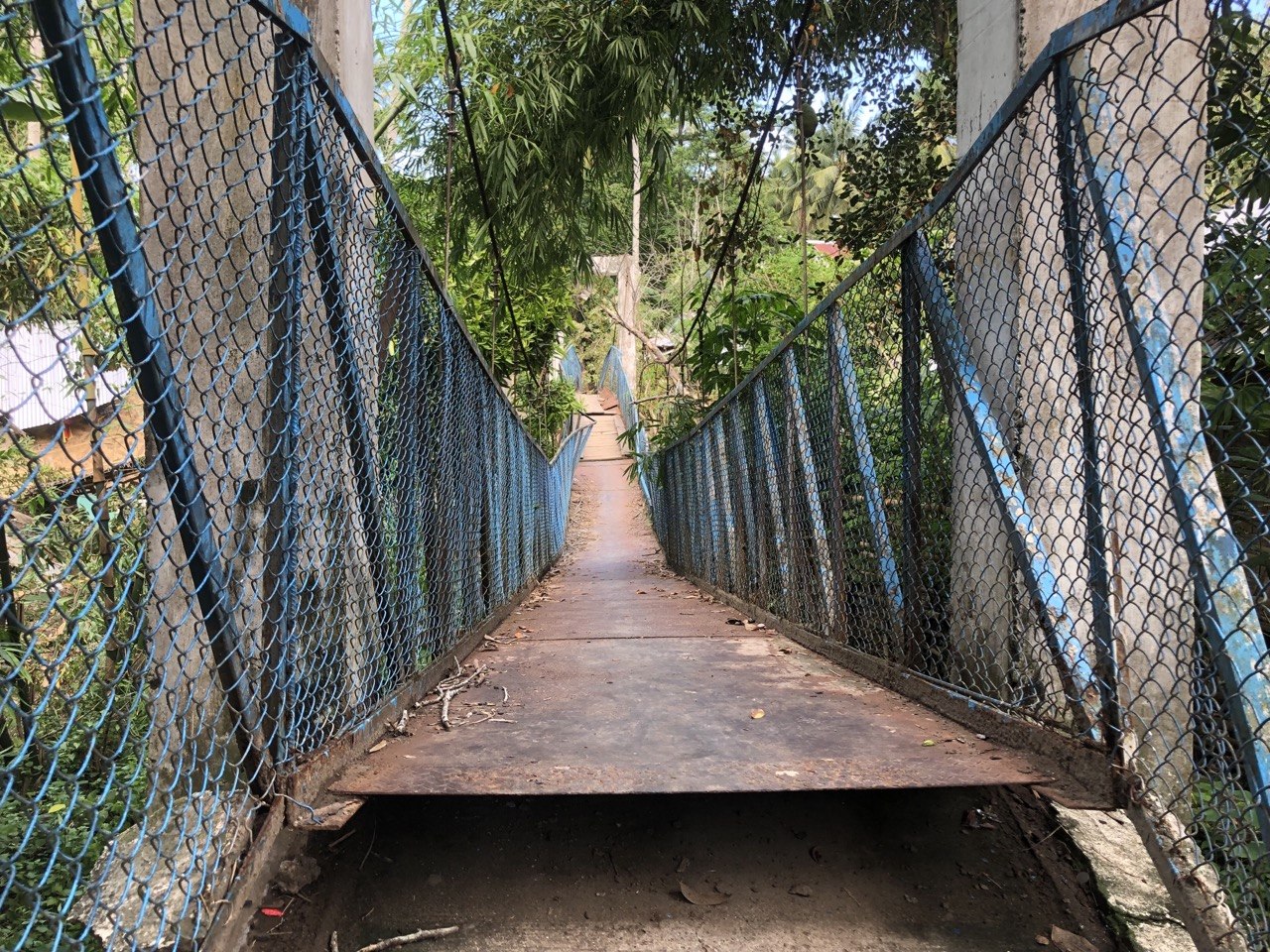
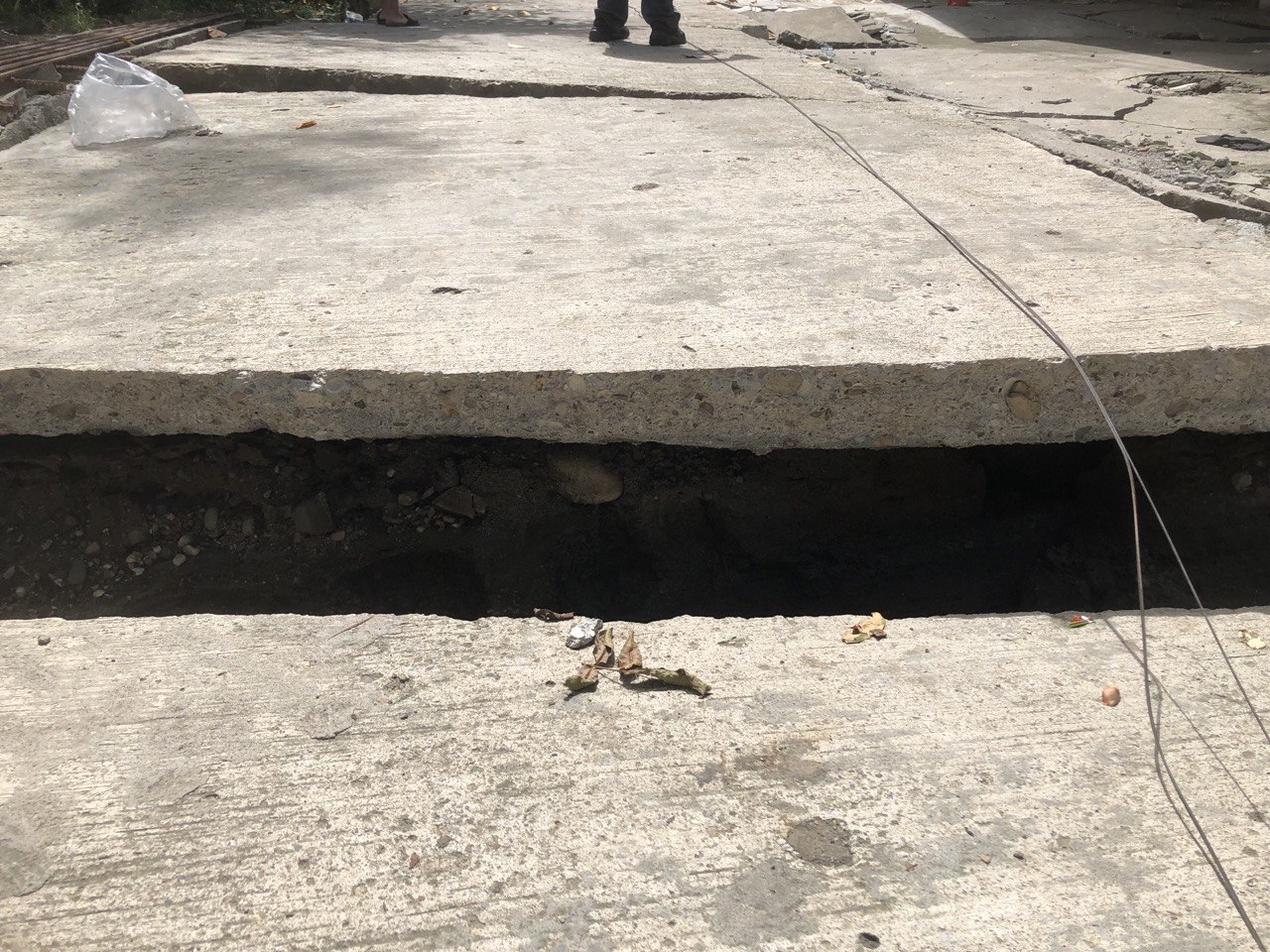
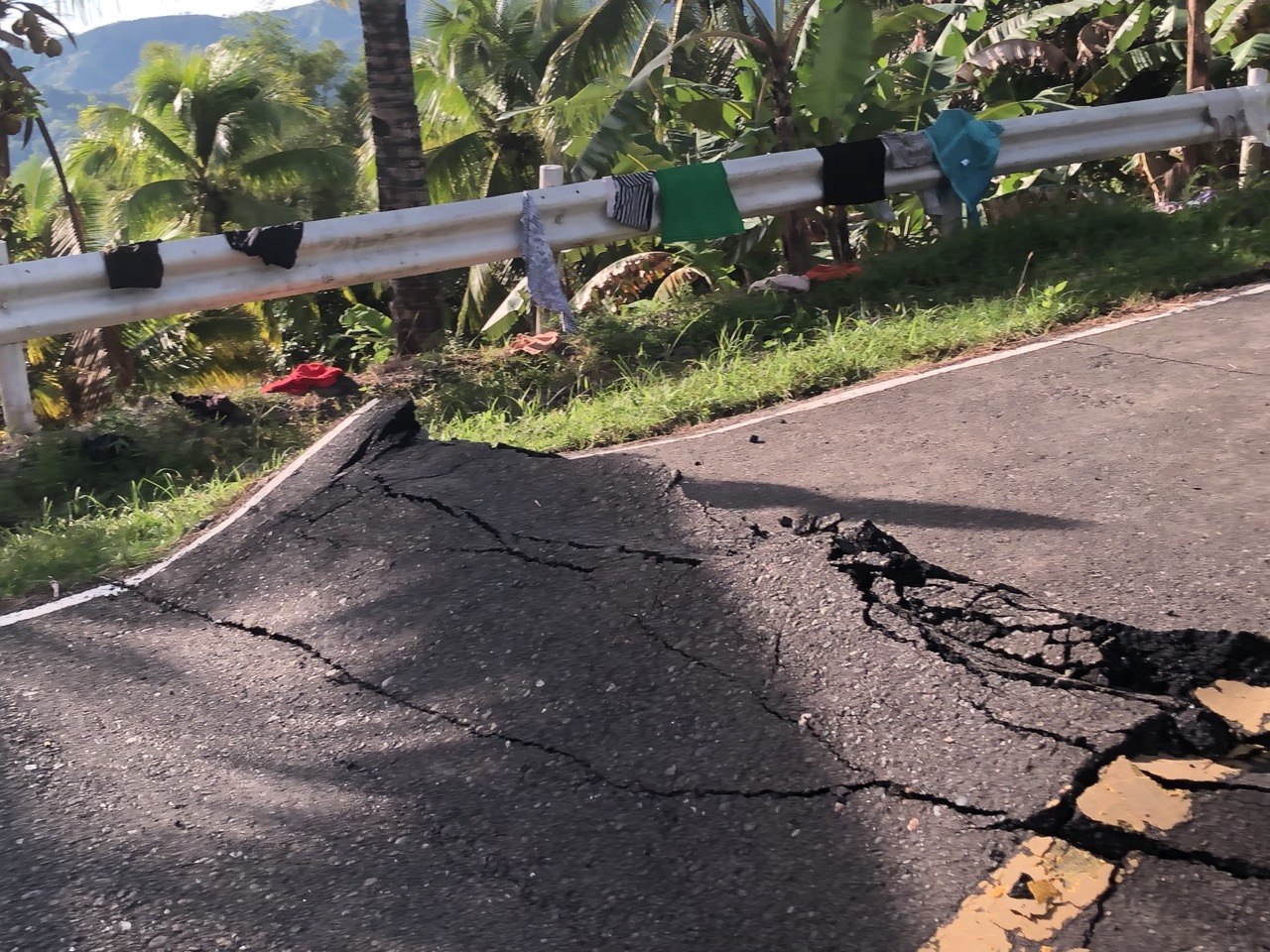
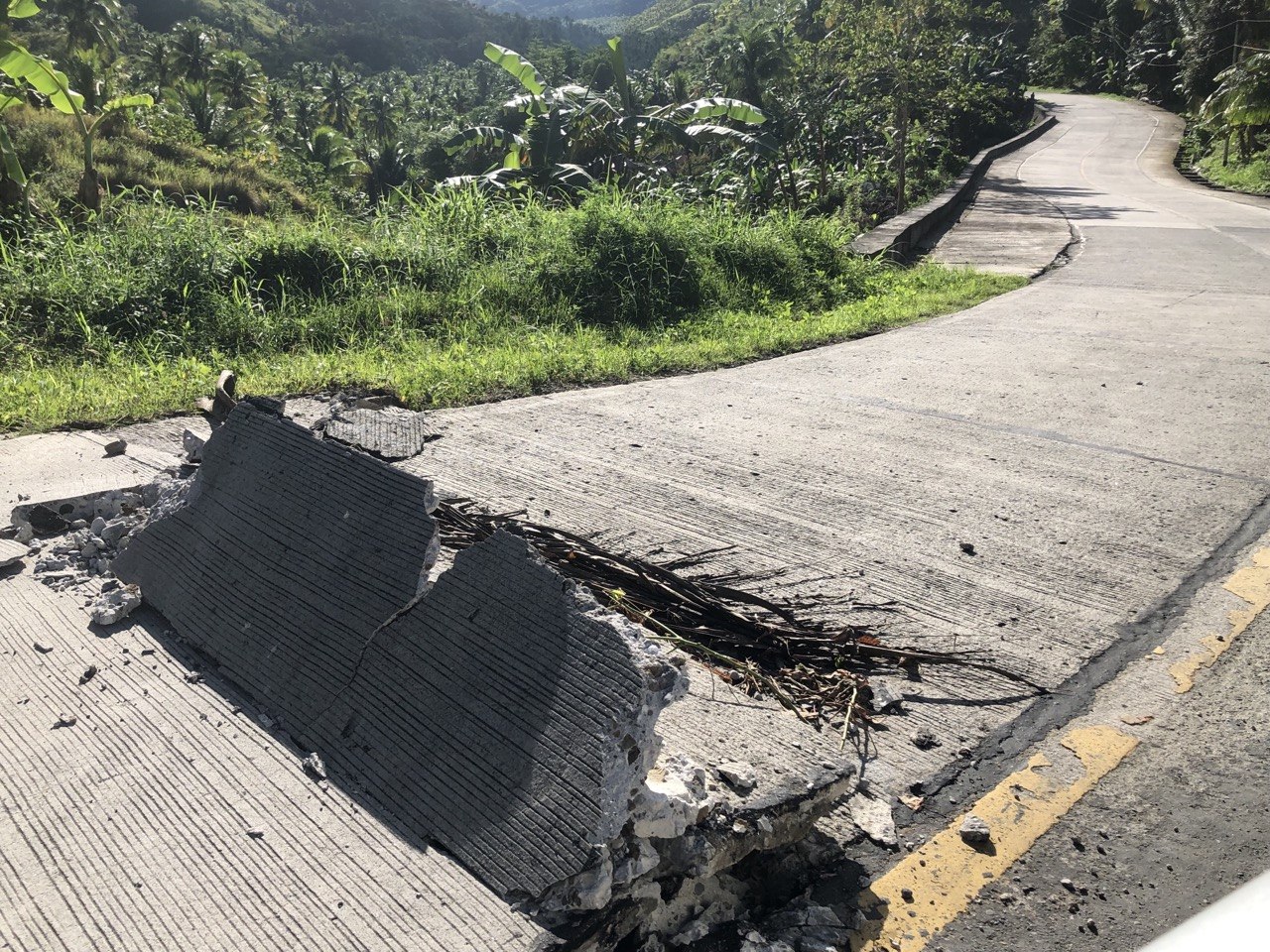
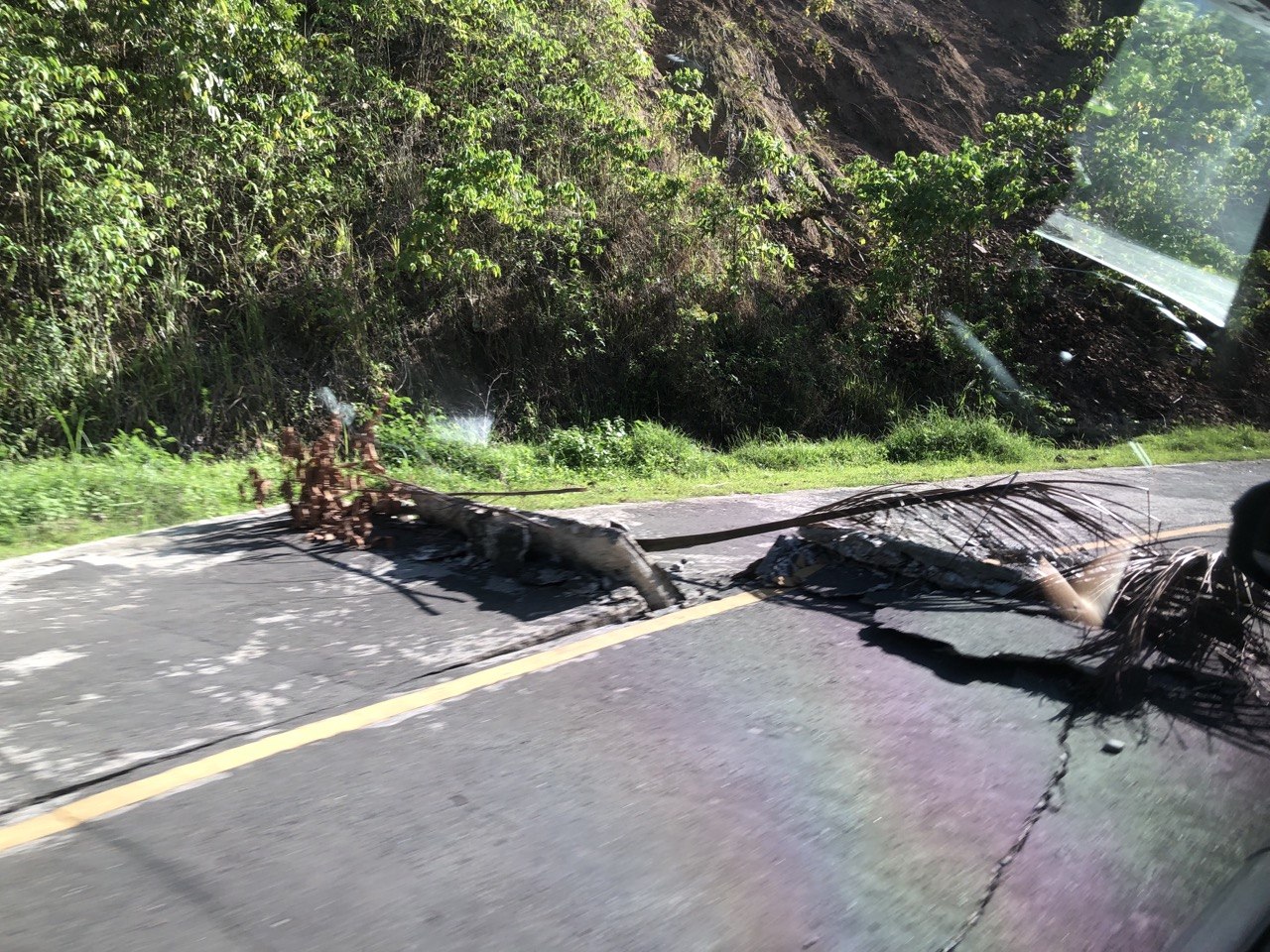
- Essential services were disrupted as some roads and bridges were damaged. Telecommunications, electric power and water supplies were also disrupted. Classes were suspended. The General Santos City Airport is still currently unoperational.
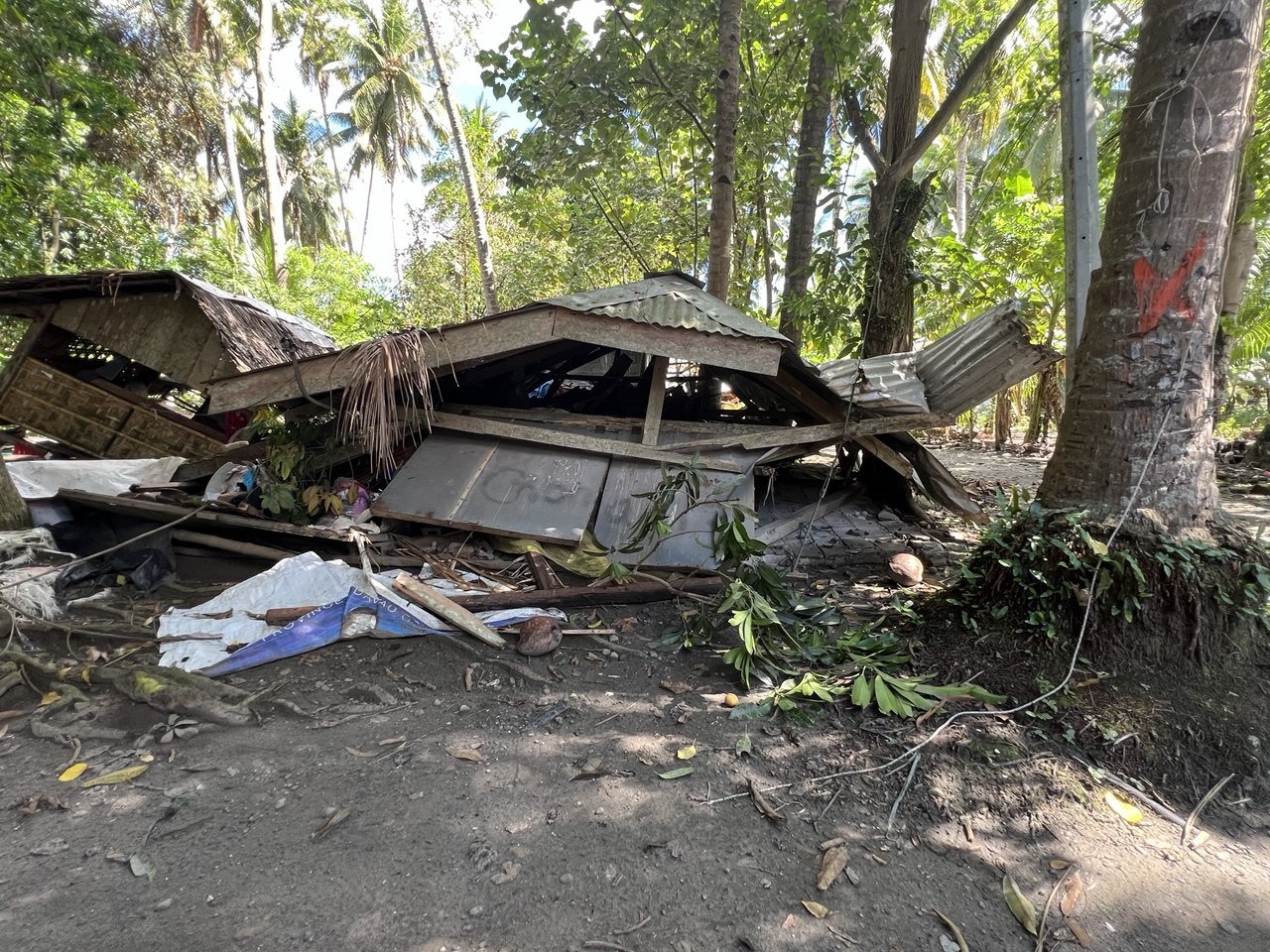
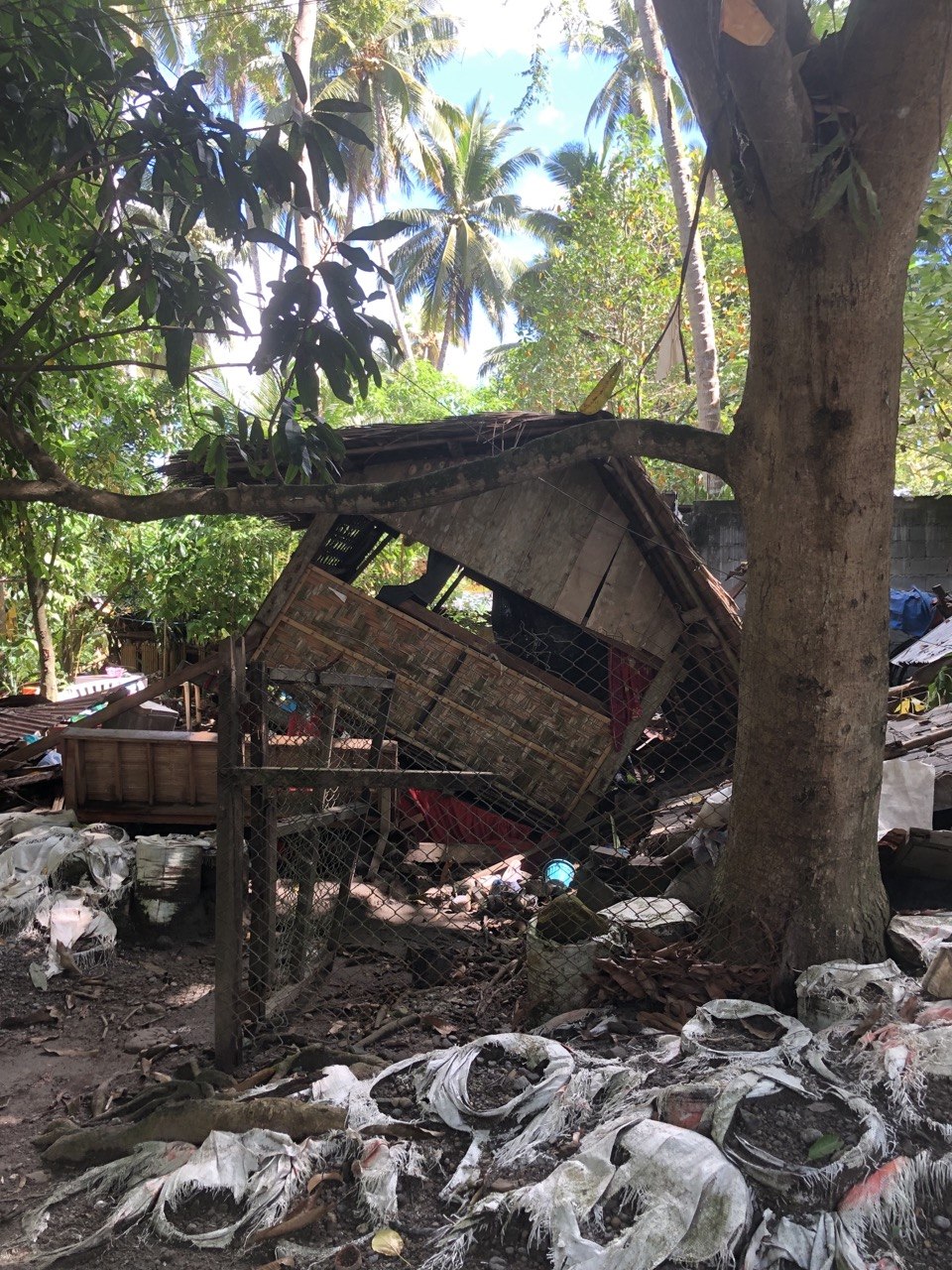
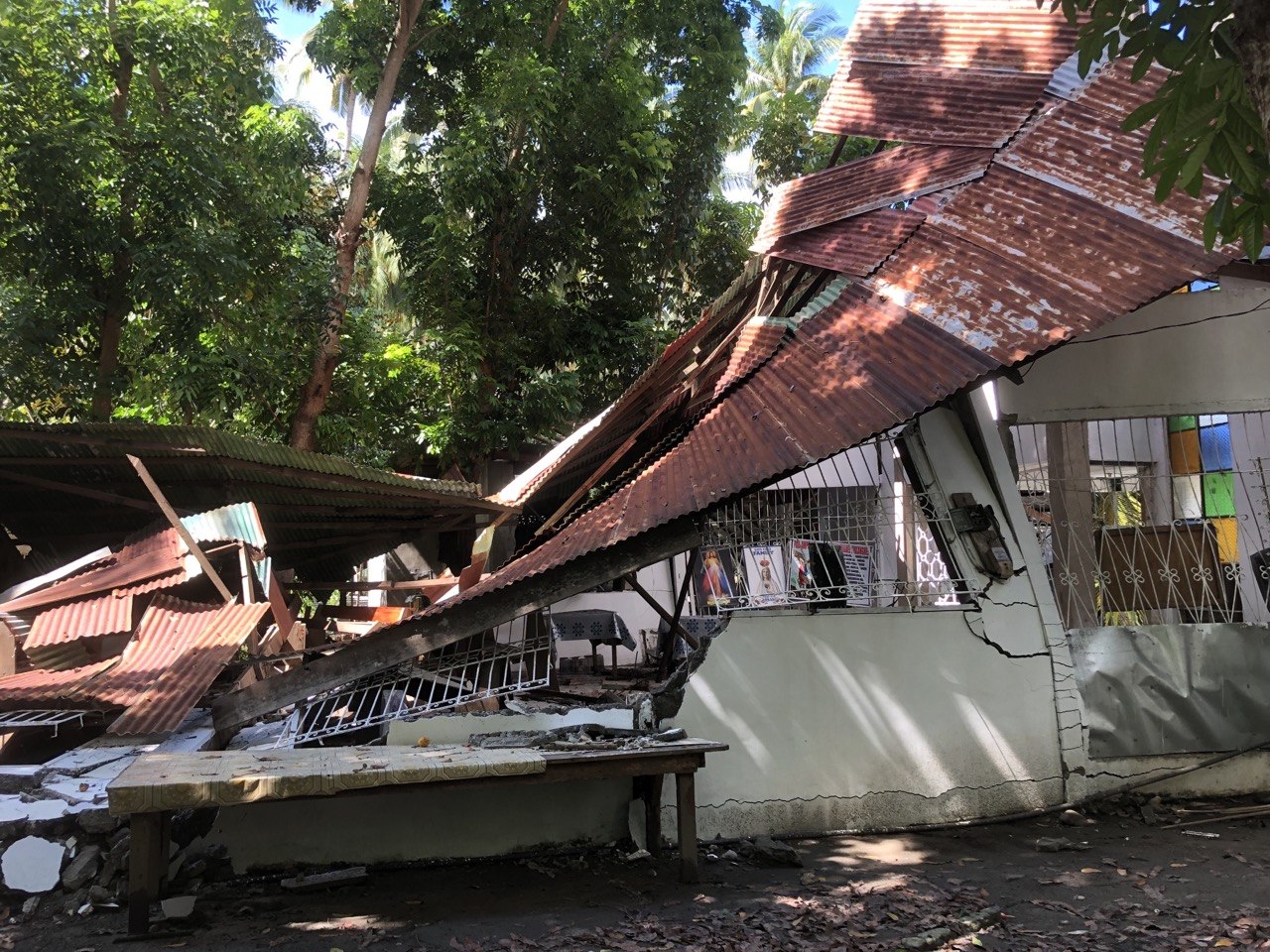
- At least 25,000 people remain displaced. There are 15,960 persons currently taking temporary shelter in 31 evacuation centers in Regions XI and XII, and 9,041 persons temporarily staying with their relatives or friends. A total of 7,866 houses were damaged; of which 1,596 were totally damaged and 6,270 were partially damaged.
- The Sarangani Provincial Government declared a State of Calamity to facilitate relief and recovery operations. The DSWD has provided a total of P21,378,397.98 worth of assistance to the affected families.
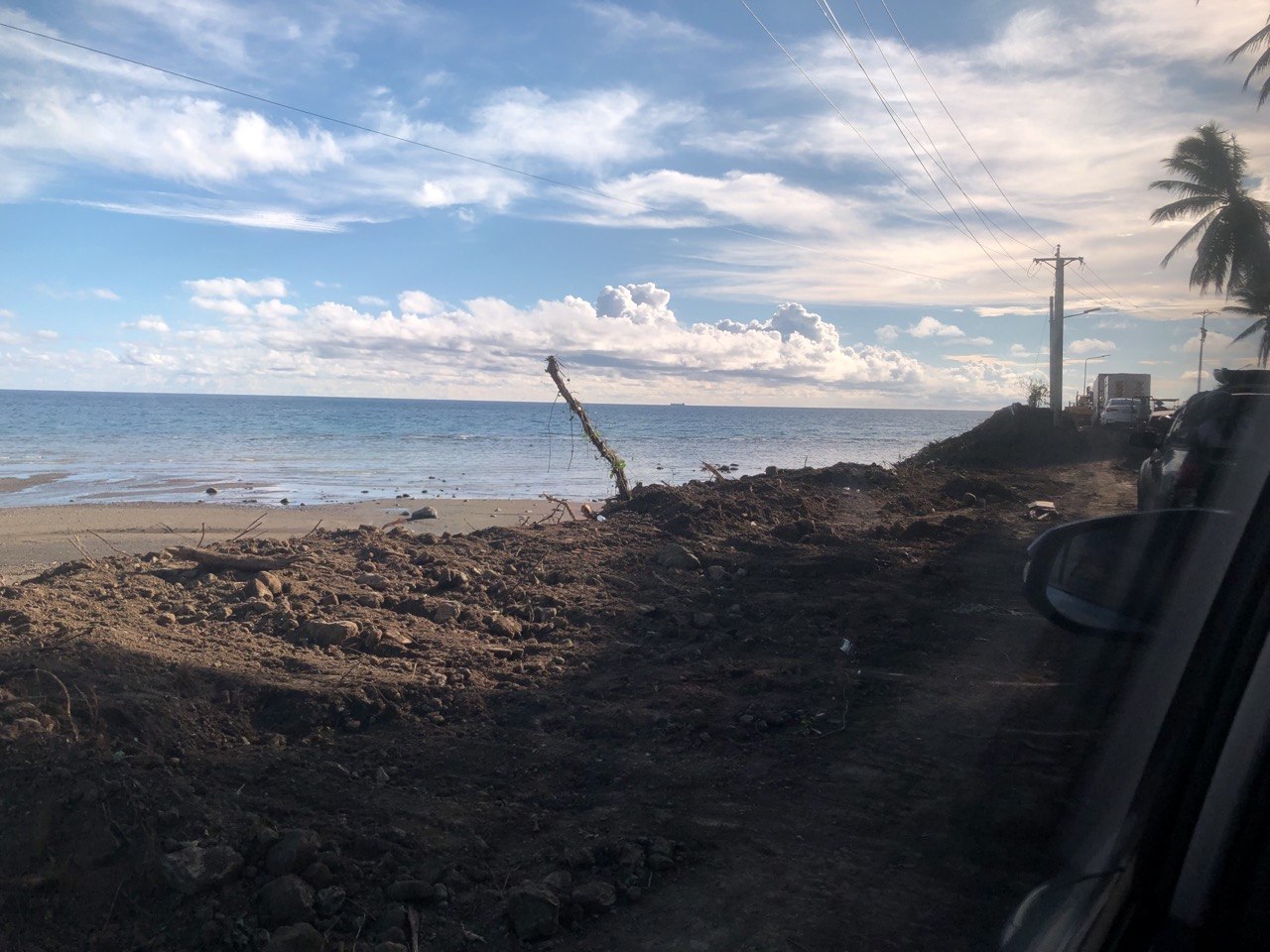
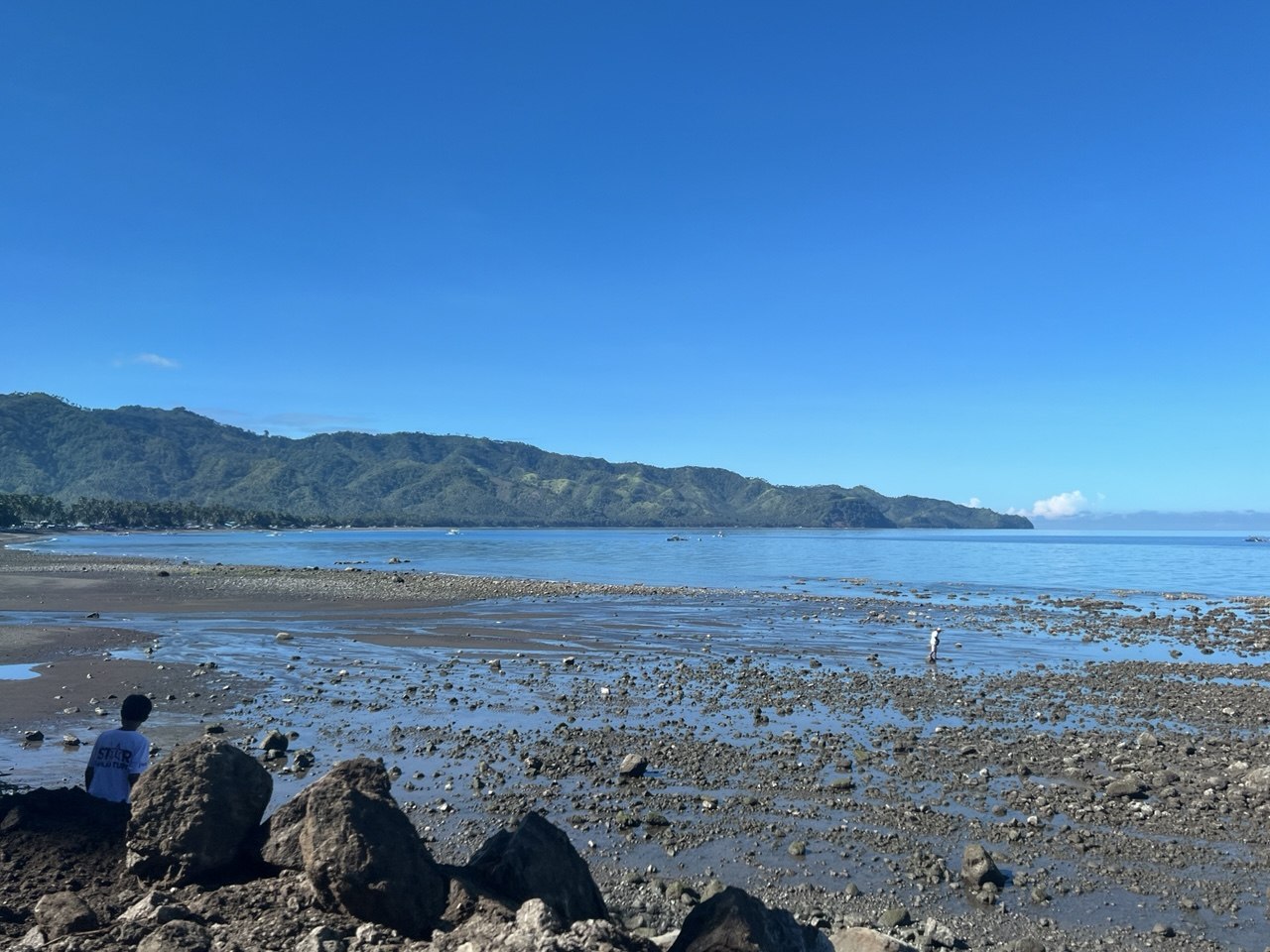
- Ecologically, the powerful earthquake “pushed upward part of the coastlines of Sarangani and Davao Occidental …exposing the bottom of the sea that was originally submerged”, said PHIVOLCS in a statement. The quake raised the seabed by as much as two meters which exposed corals and harmed marine life, and extended the shoreline in Sarangani and Davao Occidental by as much as 200 meters.
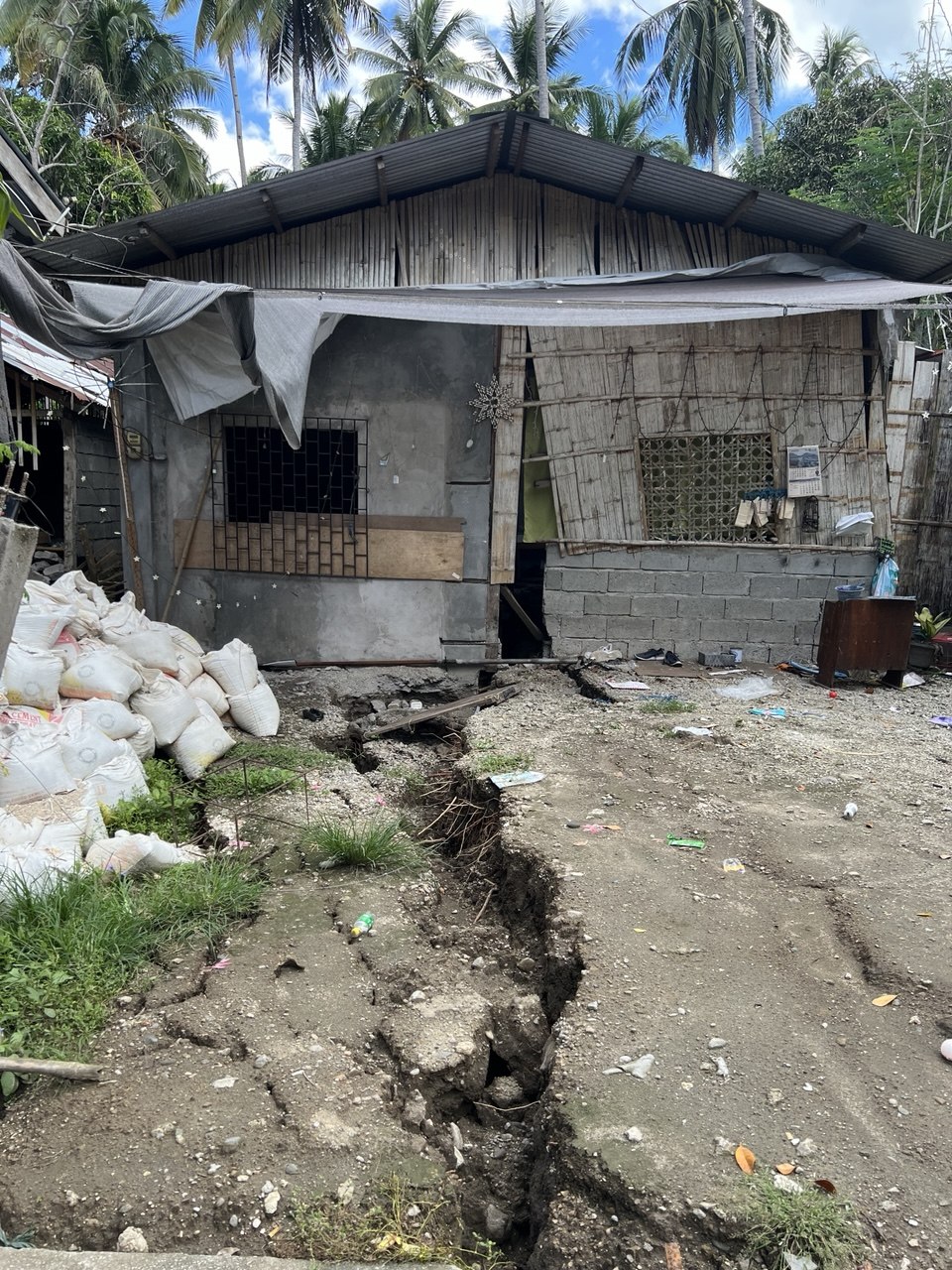
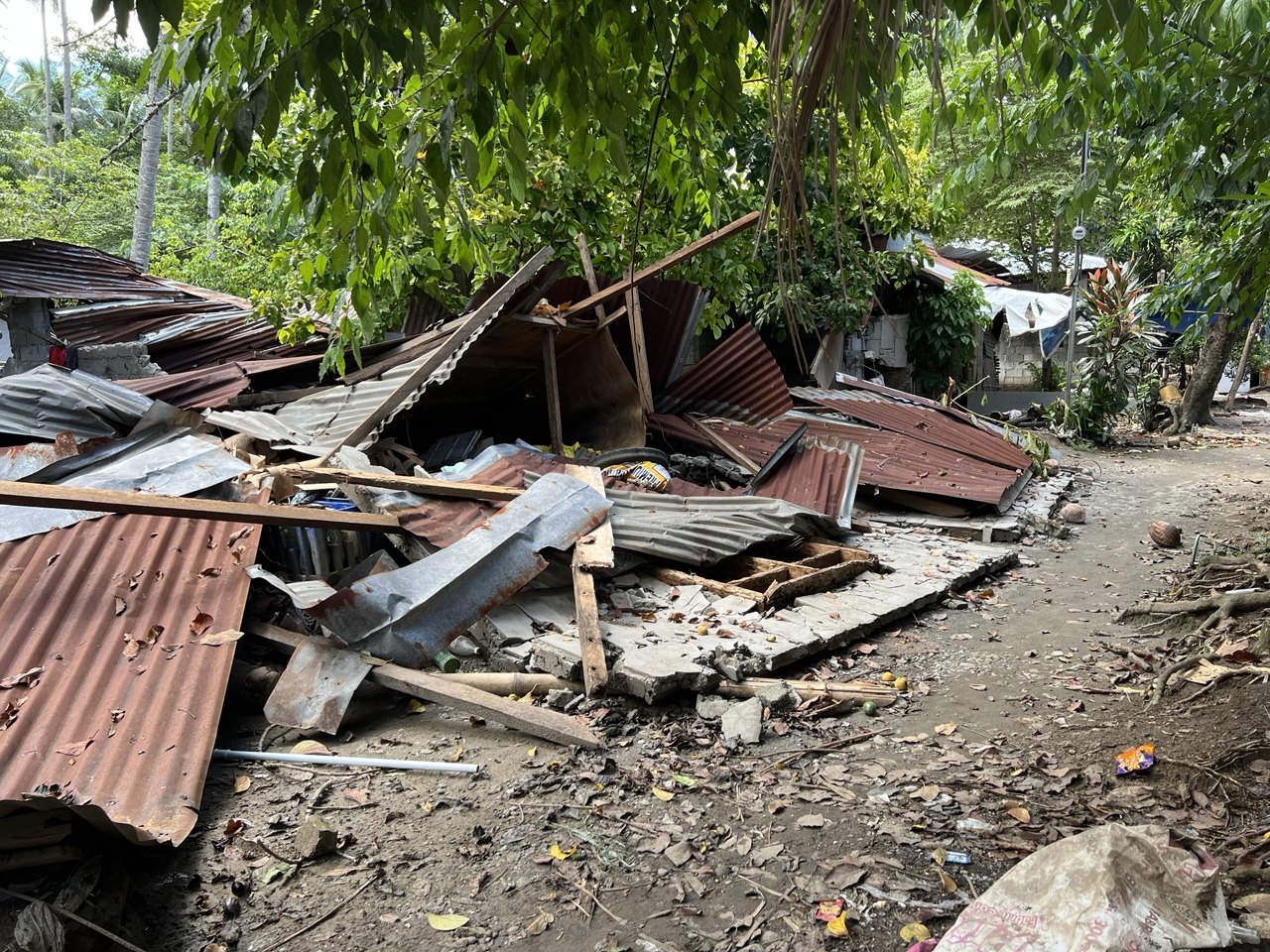
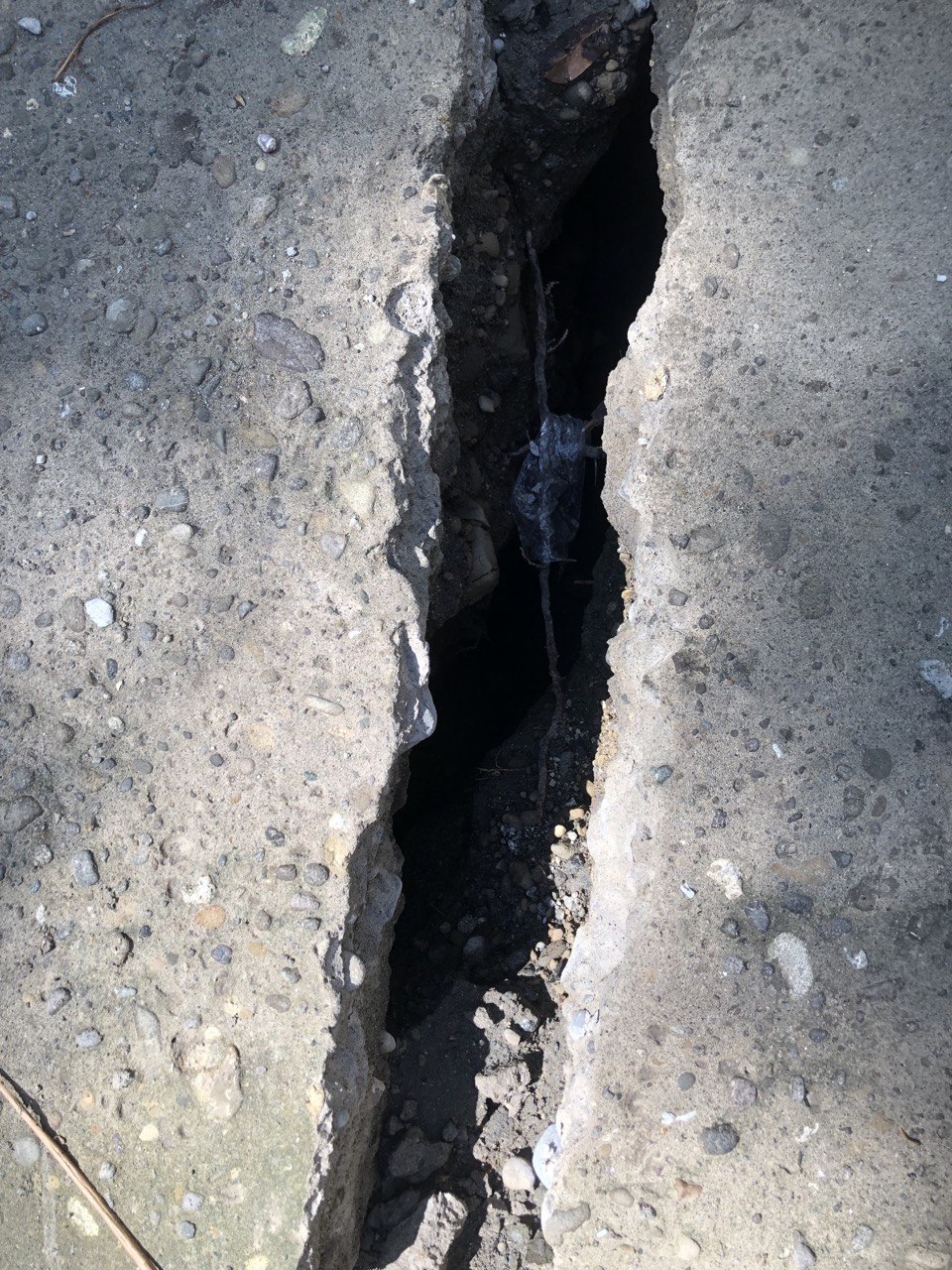
- Soil liquefaction of residential areas have been observed and reported in JAS, rendering at least 2 entire puroks in Barangay Butulan, JAS, unsafe for dwelling. All residents in these puroks have voluntarily evacuated and do not wish to return especially as aftershocks continue to be felt every now and then.
Response Actions
- The Government continues to lead the response actions. The National Disaster Risk Reduction and Management Council (NDRRMC) reported that a large-scale search, rescue and retrieval operations were undertaken and at least 2,784 personnel from the Armed Forces of the Philippines, Philippine National Police, Philippine Coast Guard, and Bureau of Fire Protection were deployed, with additional responders on standby if needed. The DSWD leads in the immediate provision of relief goods, including delivery of family food packs, ready-to-eat meals, and non-food items. The DSWD has a P790.39 million Quick Response Fund (QRF) at the DSWD Central Office and P14.65 million available at DSWD Field Offices in Regions IX, X, XI, XII, and CARAGA.
- On June 9, an adhoc UN Humanitarian Country Team was convened to provide key updates and continue to support and complement government efforts with technical assistance and mobilization of support. International and Local NGOs, including the Mindanao Coalition of Development NGO Networks (MINCODE) and Agri-Aqua Development Coalition (AADC), as well as private sector groups, have mobilized teams for assessment and immediate humanitarian actions.
- Based on initial data gathered by MINCODE and AADC, the following areas are currently being served by various organizations: General Santos City, Koronadal City, Malapatan, and Glan. Time and time again, we witness how Filipinos and the humanitarian community are ready to extend a helping hand for families who need help during crisis. Local civil society organizations, foundations, and cooperatives were immediately positioned to conduct assessments, coordinate with authorities, and provide the needed support.
Gaps and Needs
- In coordination with local government units and considering available information on the operational presence of other humanitarian organizations, it appears that some severely affected communities are still unreached or underserved. The municipality of Jose Abad Santos (JAS) in Davao Occidental, as well as Balut Island and Sarangani Island, the Municipality of Maasim in Sarangani Province, and other far-flung municipalities in South Cotabato have received very limited support or none at all.
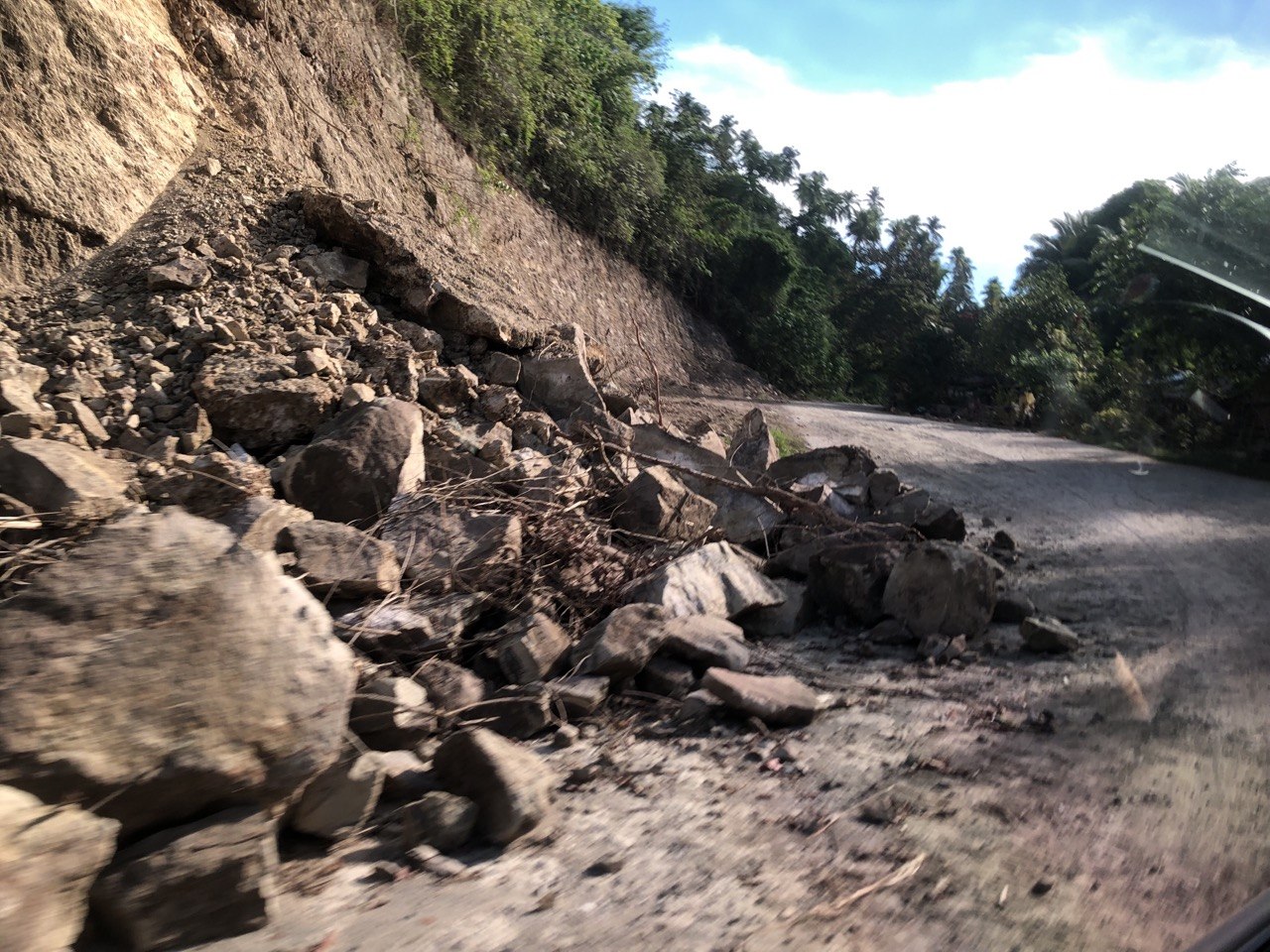
- Jose Abad Santos (JAS) is a coastal town and the southernmost municipality of Mindanao. It consists of 26 barangays. JAS has a wide stretch of mangroves and is known for milkfish and tilapia breeding, as well as copra production. Even prior to the earthquake, road condition was poor and its road network was mostly unpaved. Most of the river crossings have no bridges and travelers have to wait for water to subside after rainfall before the river could become accessible again.
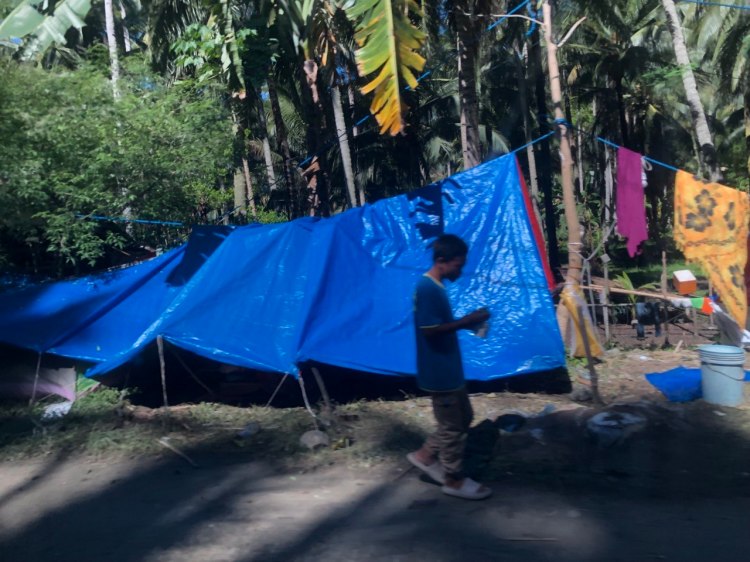
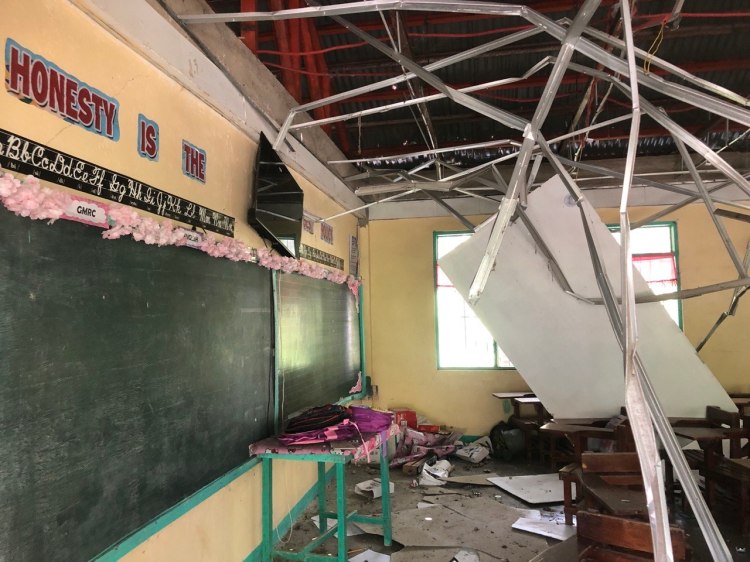
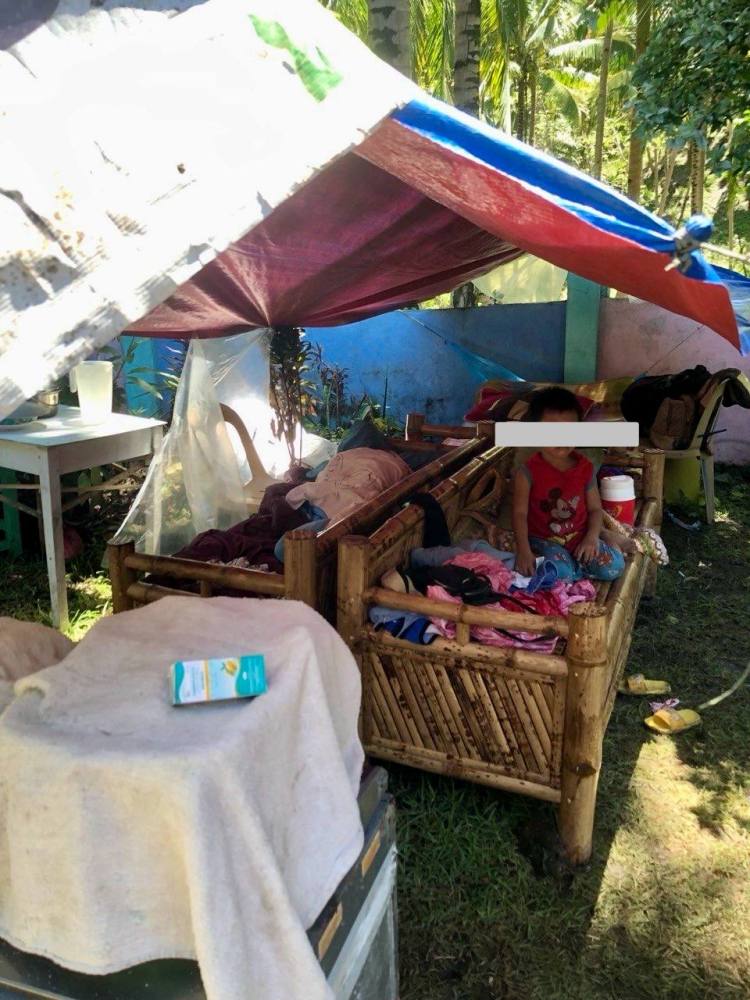
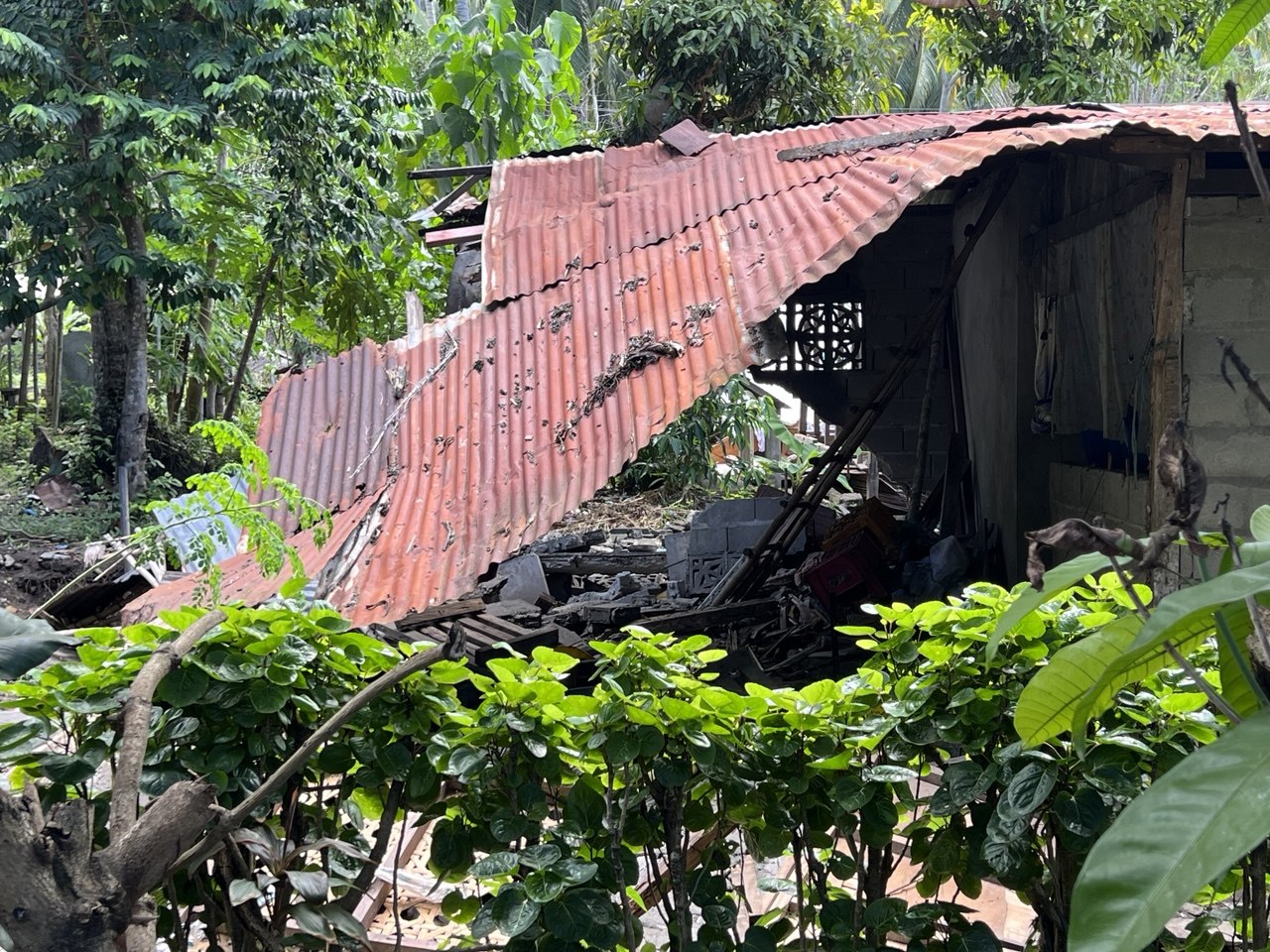
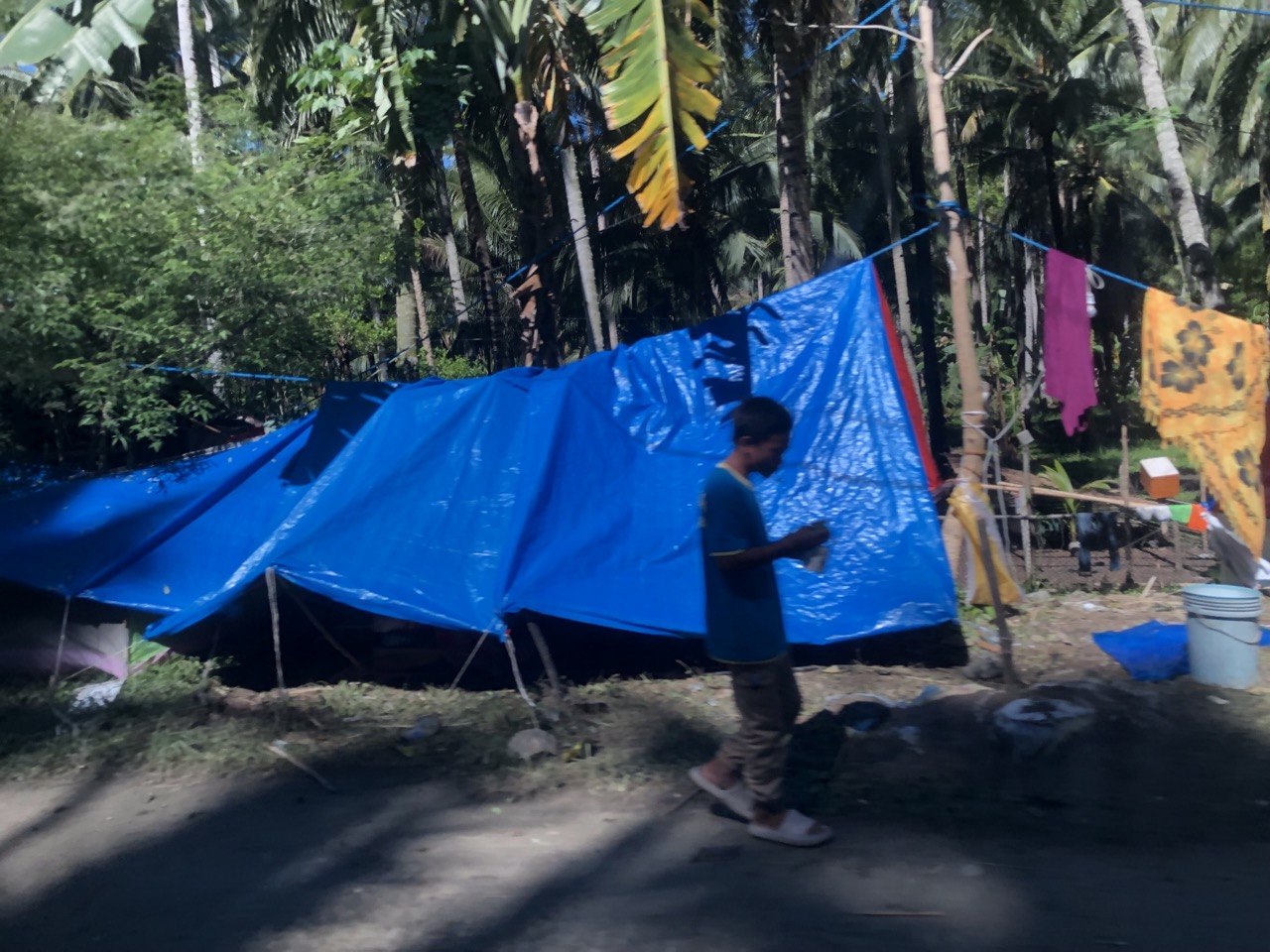
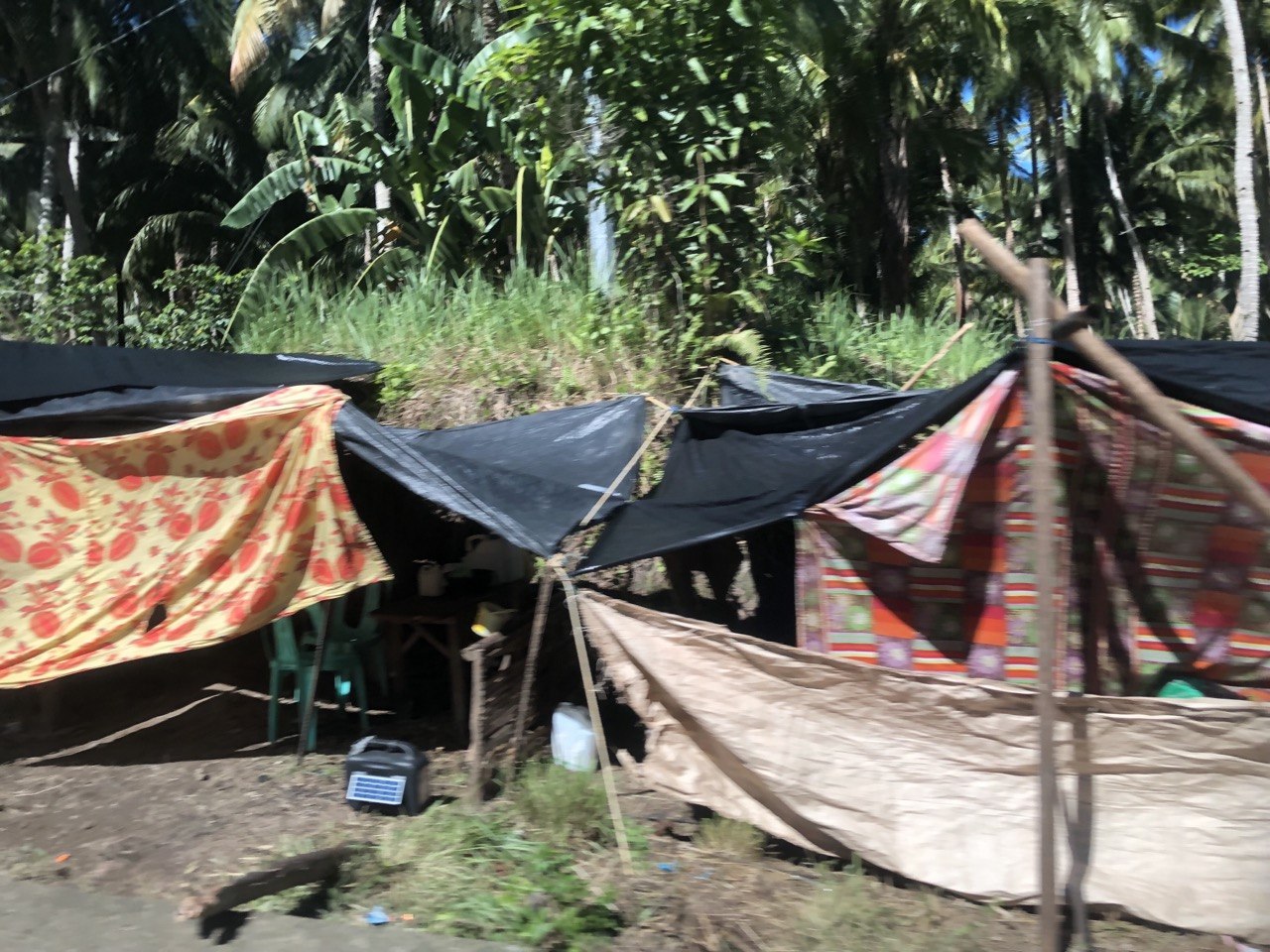
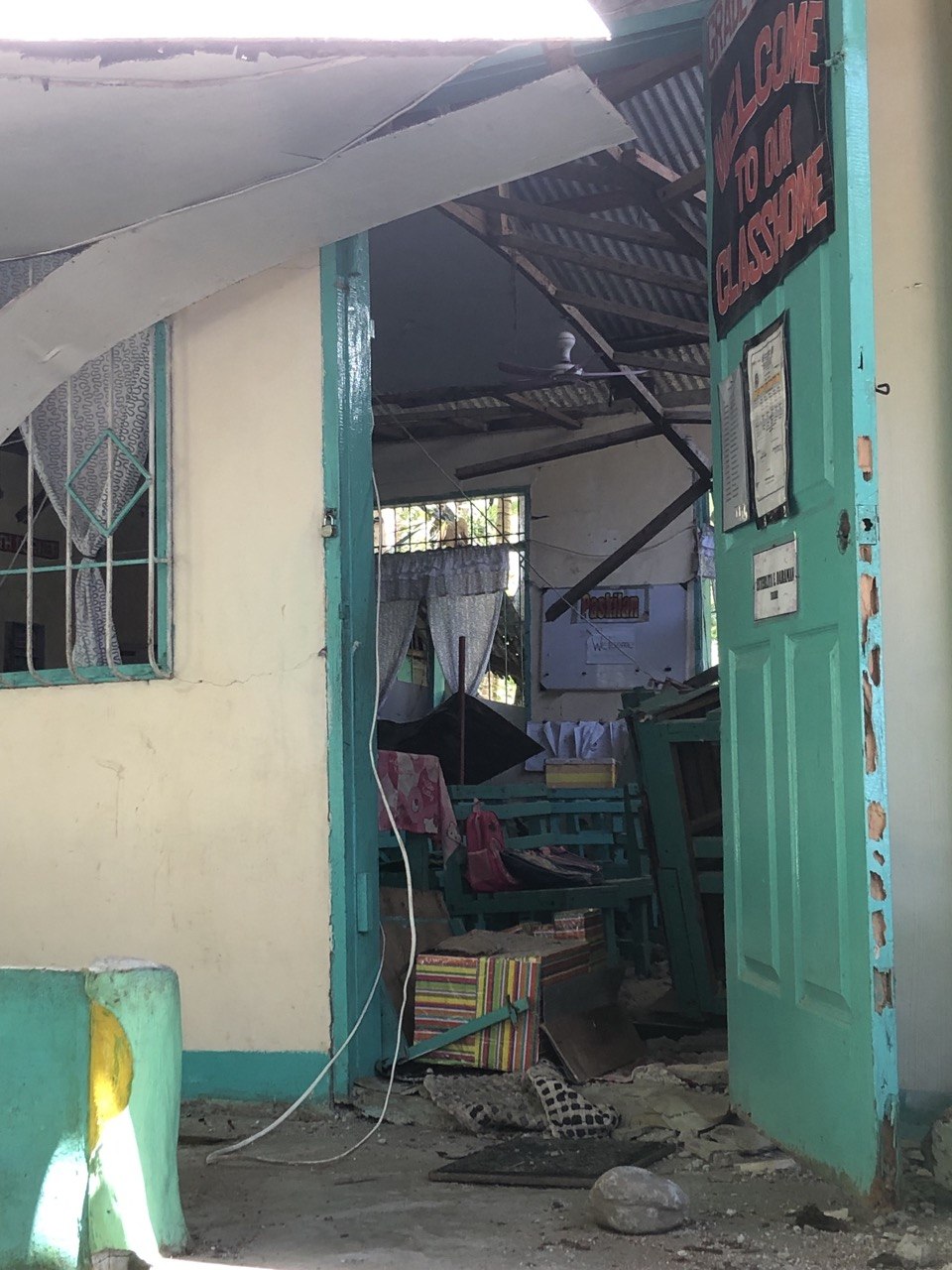
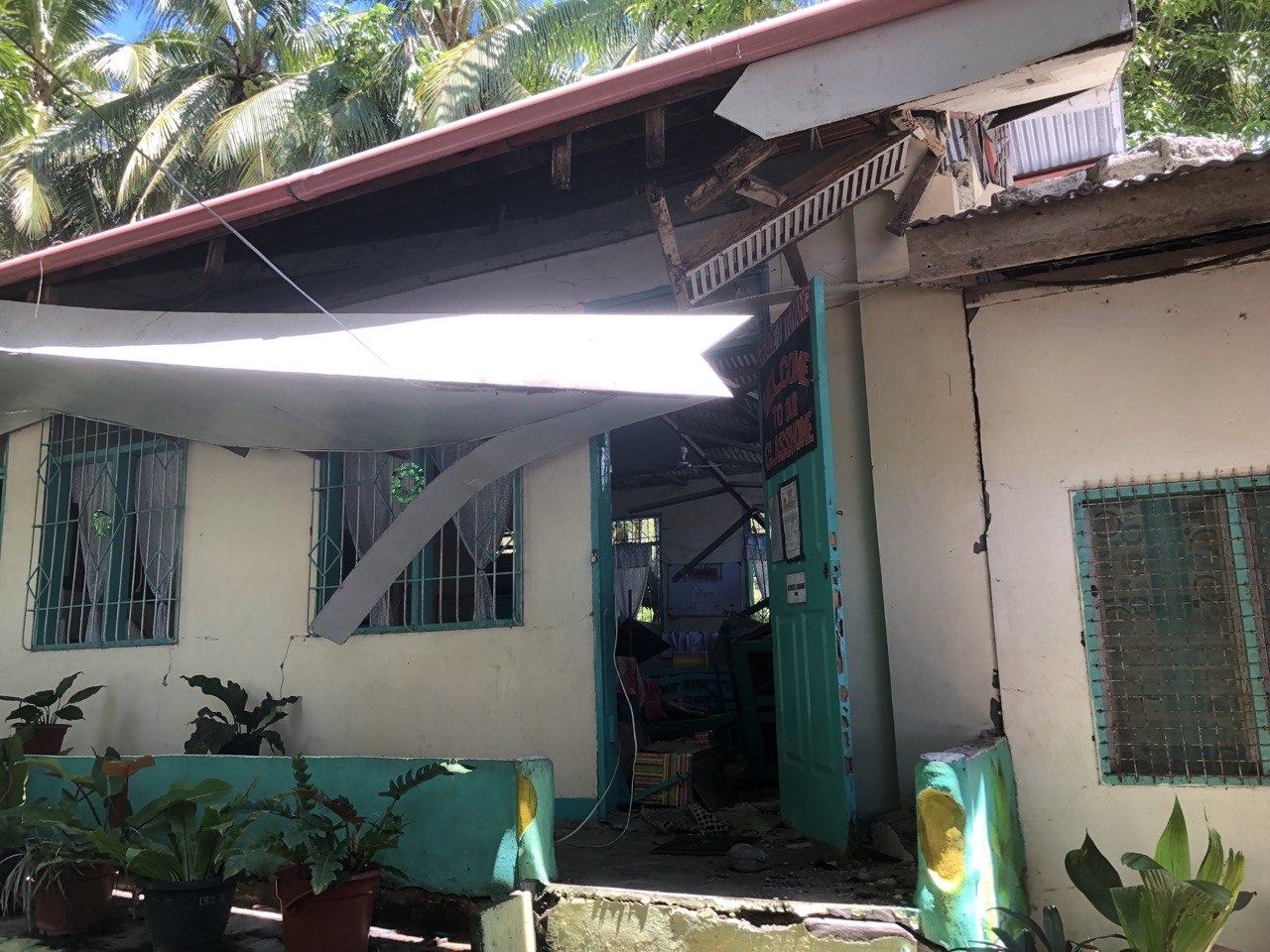
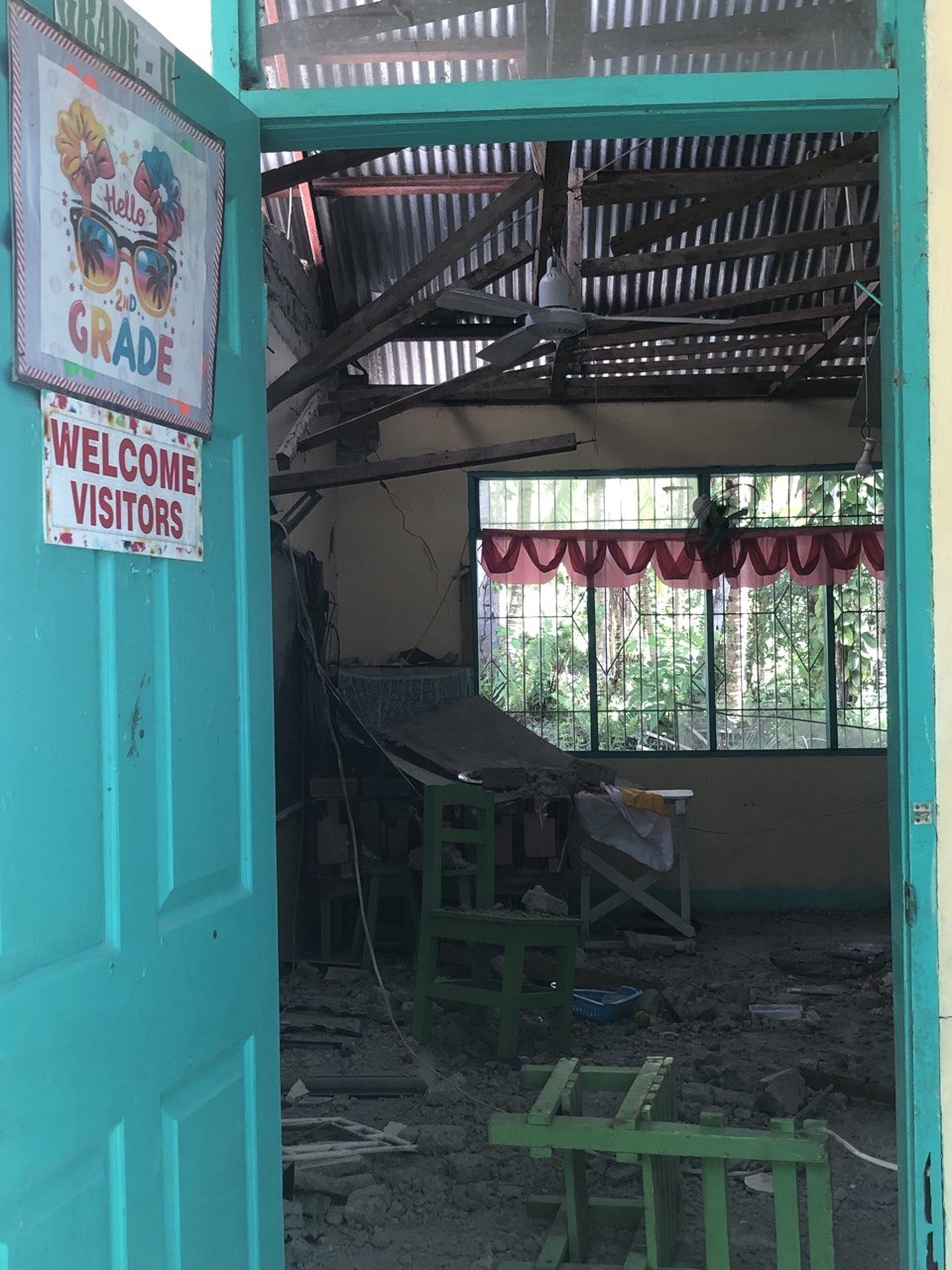
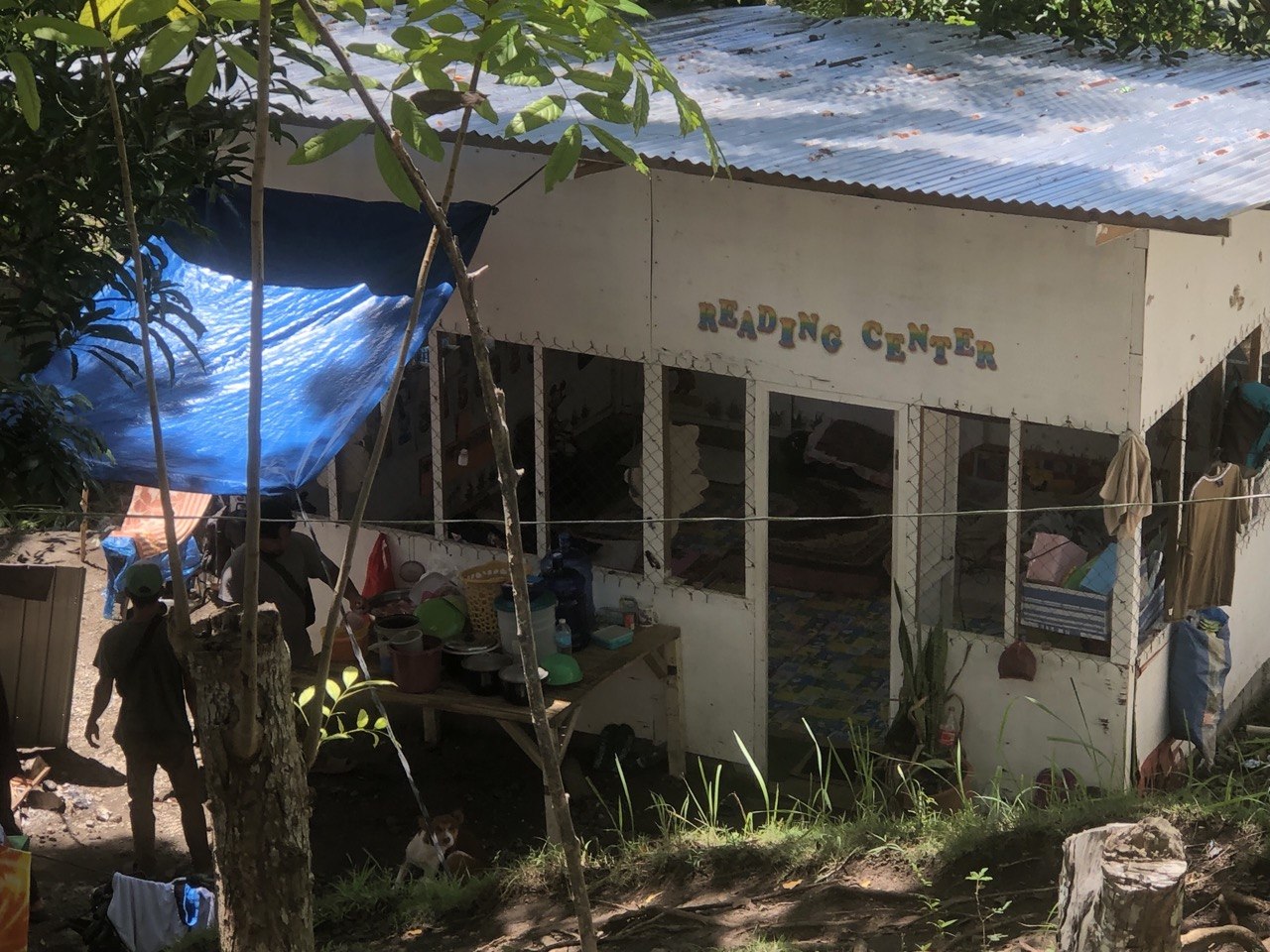
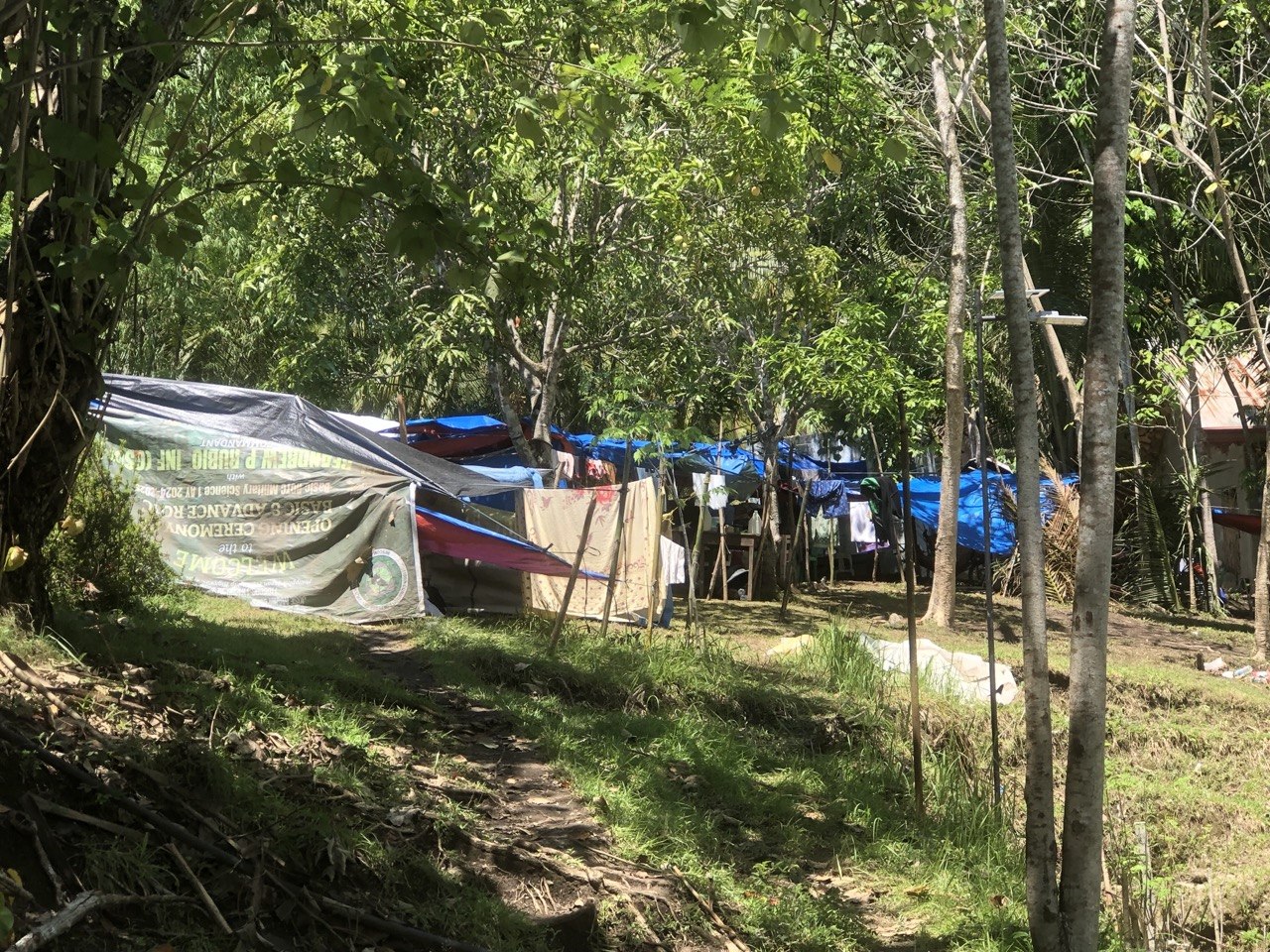
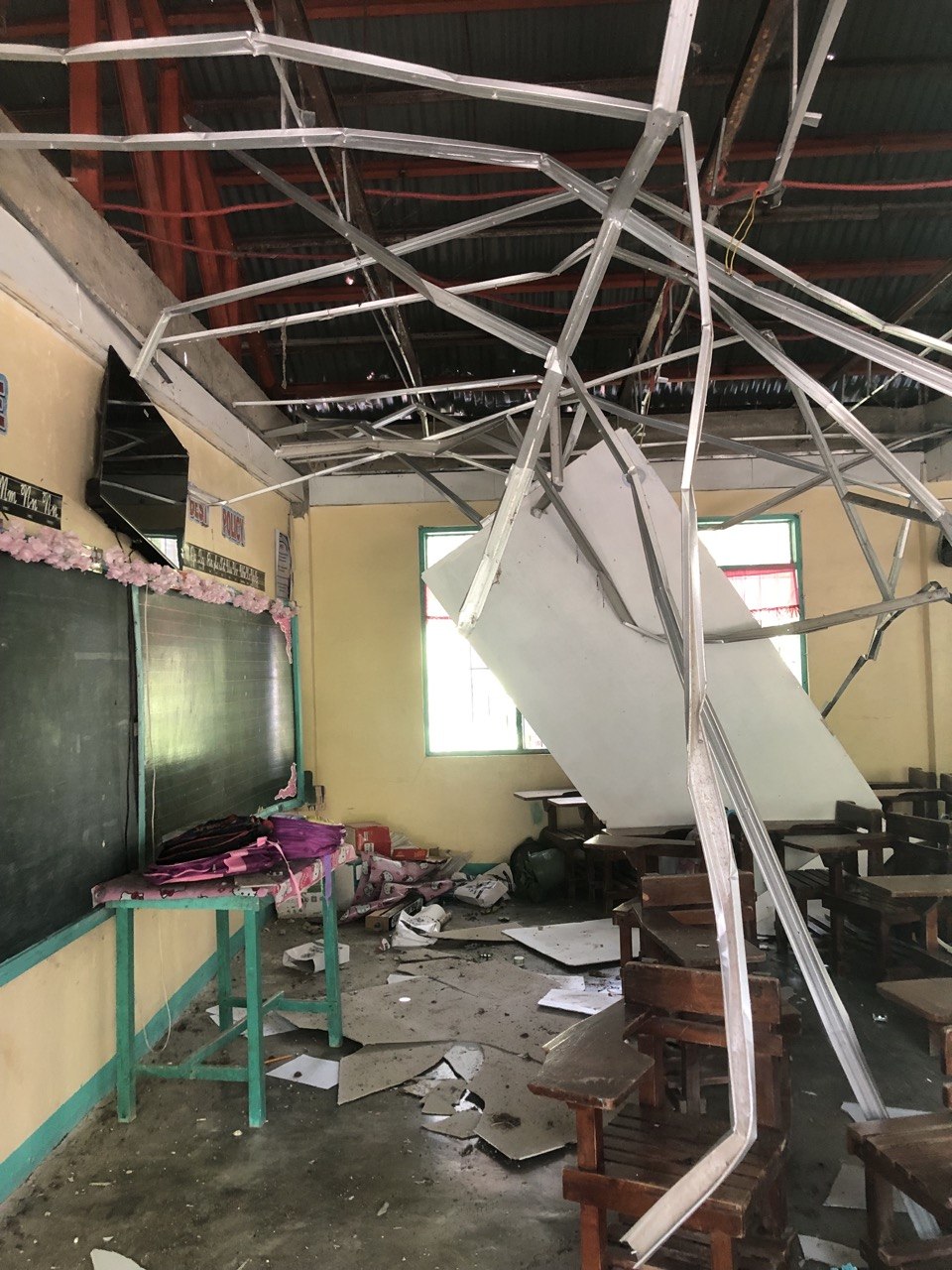
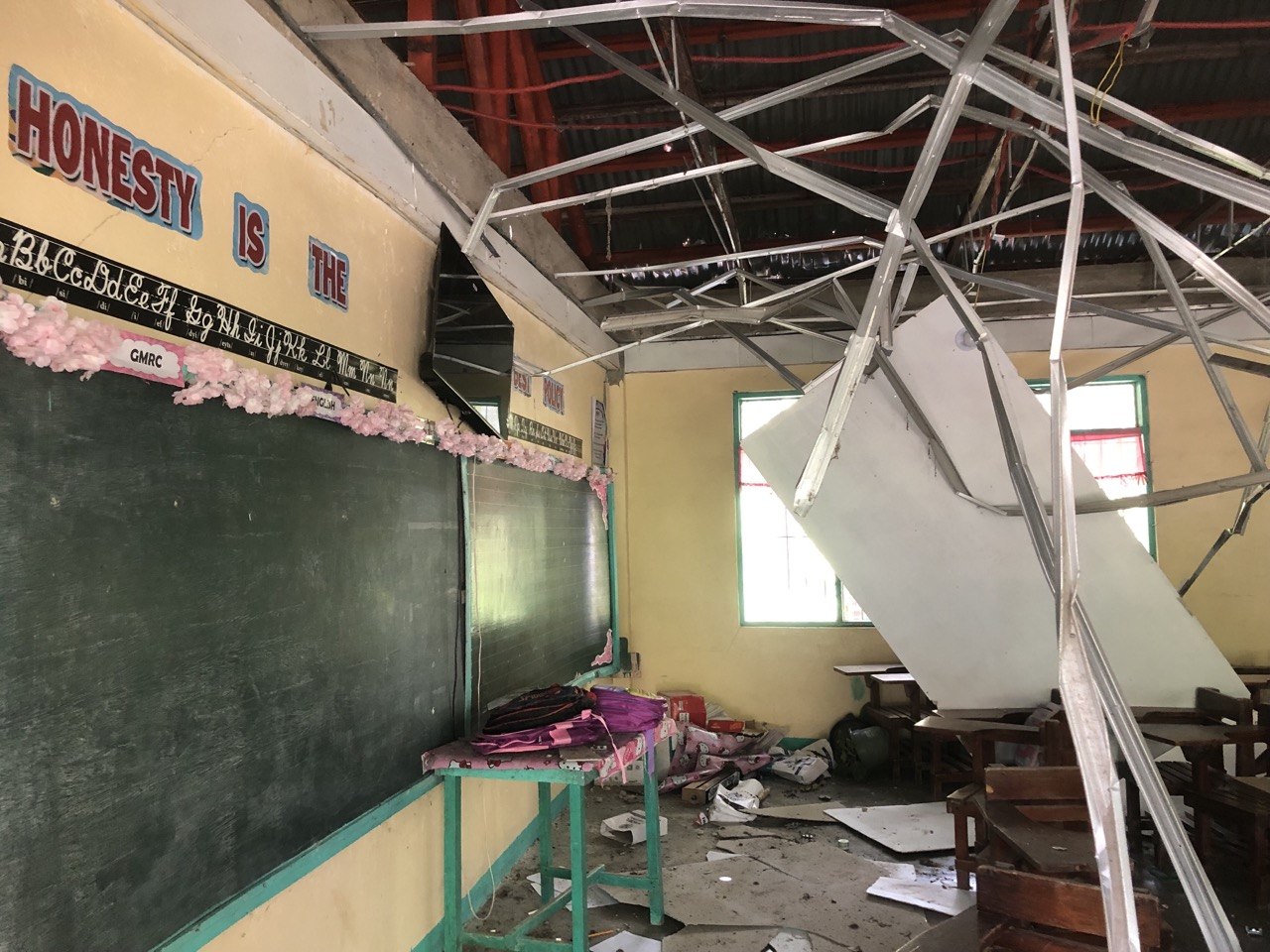
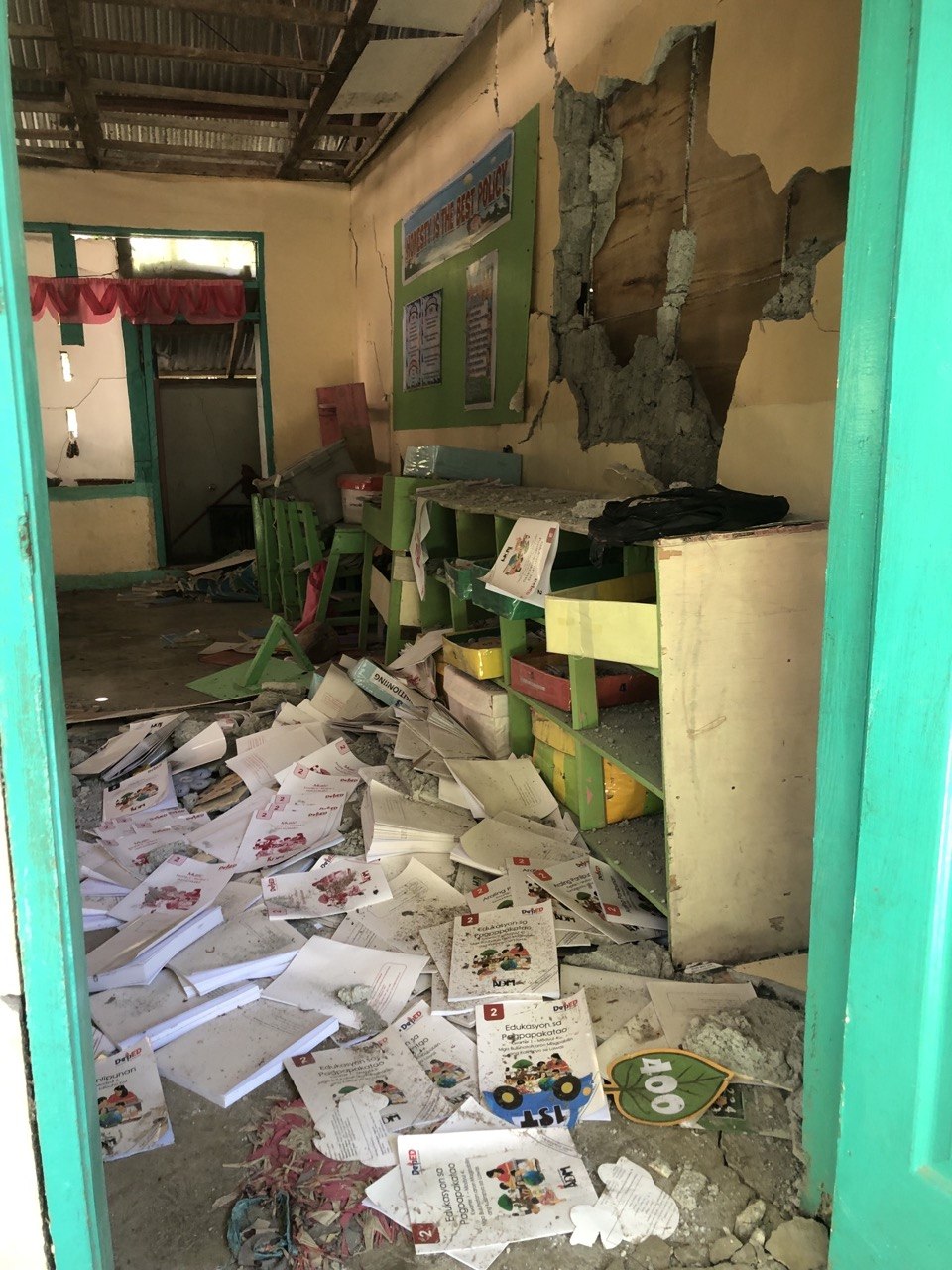
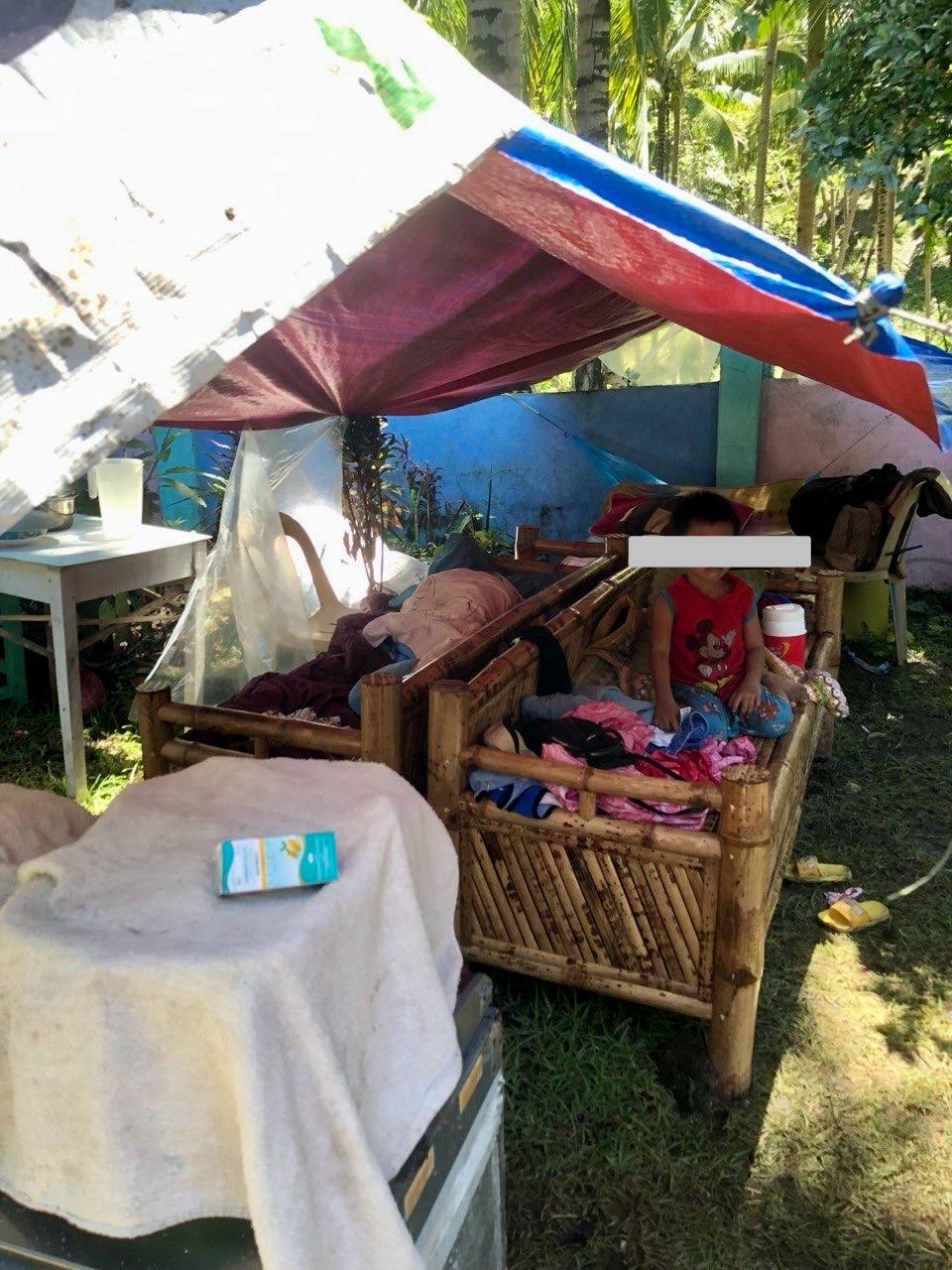
- The 7.8 earthquake left severe damage to homes, properties, government buildings, roads, and infrastructures in the municipality. The municipal hall was cordoned off after the earthquake and local government agencies set up temporary offices in tents. Road clearing operations are ongoing and access is limited. Residents put up makeshift tents outside their homes as barangay halls and covered courts or multipurpose halls sustained structural damages.
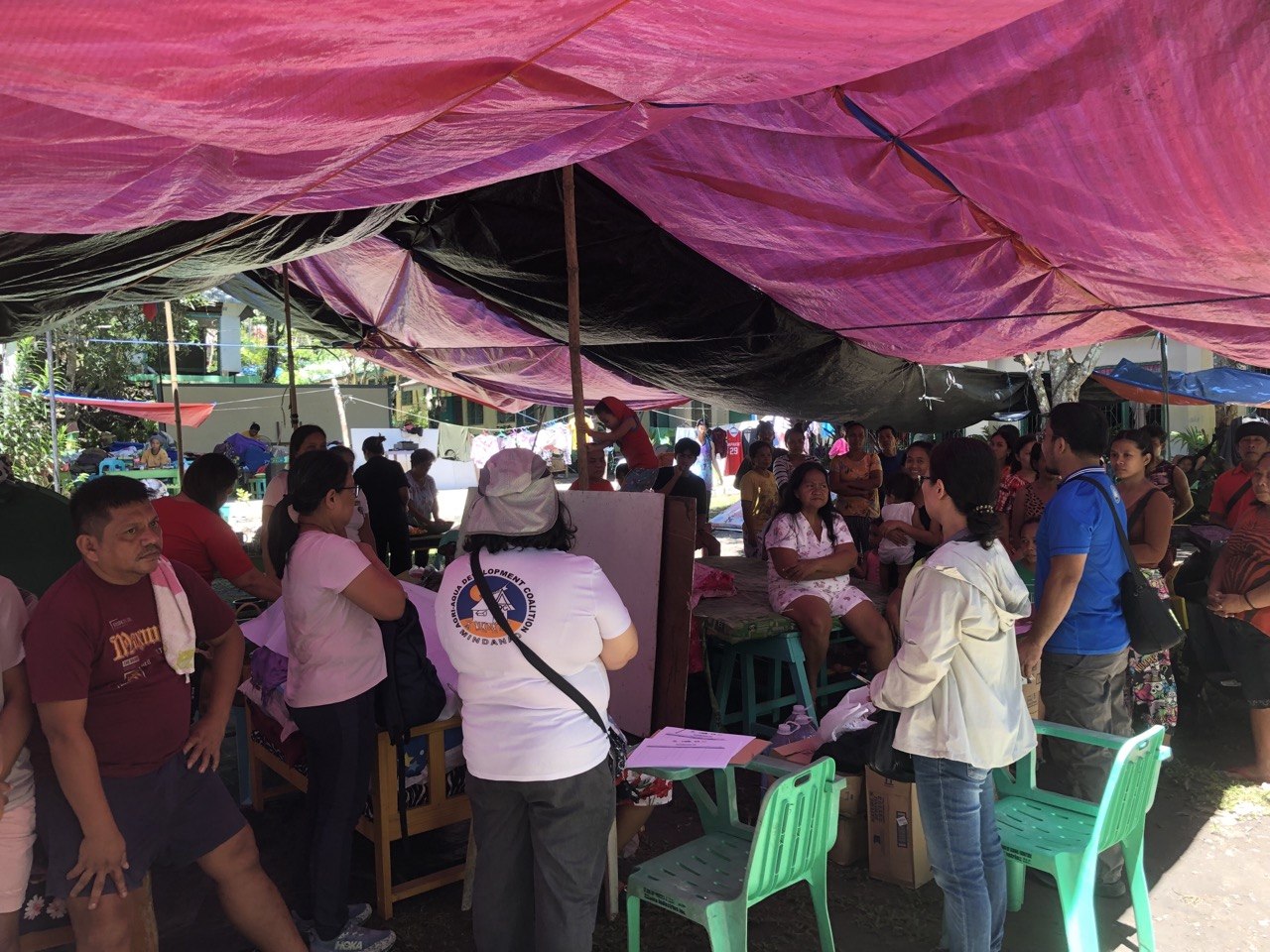
- As part of conducting rapid community damage assessment and needs analysis, AADC and MINCODE distributed 6 liters of drinking water, biscuits, and AquaTabs (water purifying tablets) in Barangay Butulan in southern JAS last June 13, Saturday.
- Assessment results show that there is immediate need for the following:
- Rice
- Drinking Water
- Water purification tablets or equipment
- Temporary Shelter, including sleeping mats, tarpaulins, rope, tent, mosquito nets, blankets/malongs
- Medical/health supplies and services: people sustained bruises during the quake, children are starting to get sick – most likely due to water borne diseases, medicines
- The Agri-Aqua Development Coalition (AADC), a member of MINCODE, intends to provide temporary shelter support in Barangay Butulan, JAS, wherein 984 households were severely affected and currently displaced. Barangay Butulan is composed of 3 upland and 8 coastal puroks or sitios, with a total population of 2,891 based on the 2020 Census. We are currently trying to raise P1.5M to provide temporary shelter support which includes sleeping mats, mosquito nets, jerry cans, blankets/malongs, and 10 meter tarpaulins to be distributed to 984 households.
- Other MINCODE Members, local civil society organizations and cooperatives are also undertaking relief operations. Your support, generosity and partnership will provide basic needs and comfort for affected families. Please help in any way you can.
- Psychosocial support is also needed, especially for children and their parents.
How to Help
- Donate to non-profit organizations and local civil society organizations that undertake humanitarian actions for earthquake-affected communities.
- Establish institutional partnerships and joint programs with local non-government organizations, cooperatives, and foundations to reach more families and provide meaningful support to vulnerable sectors.
- Volunteer with your local government and frontline agencies to augment human resources and admin/logistics/technical support.
- Stay informed and share local information about the effects of the earthquake to help raise awareness of the needs of affected families.
Personal Stories[1]
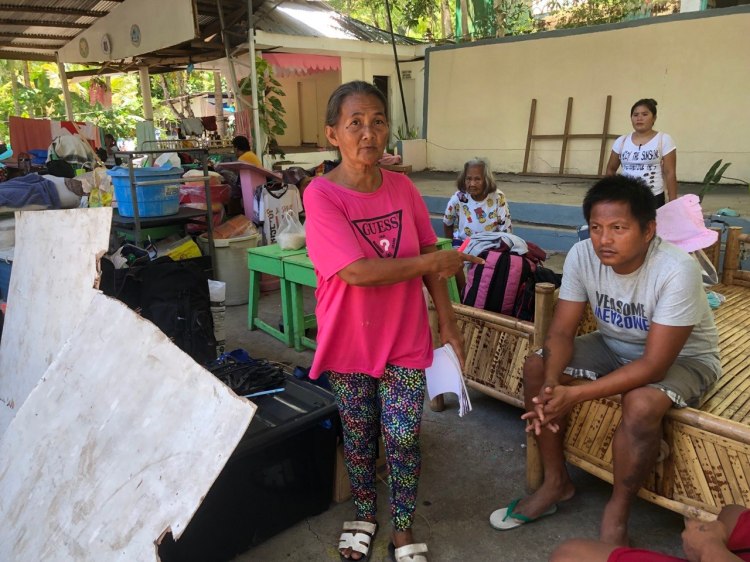
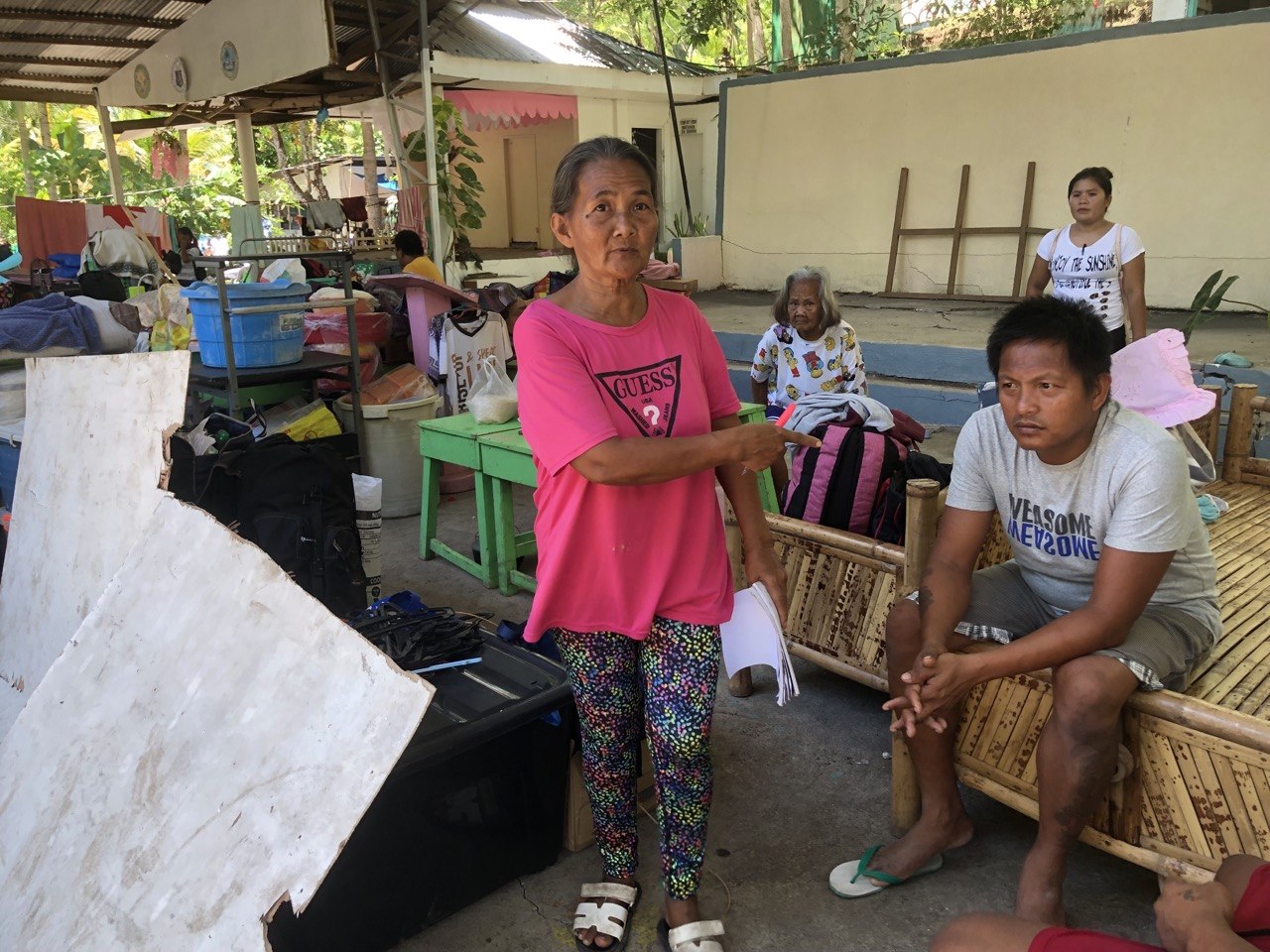
- Teresita Insek Medez, 56 years old, married to a fisherman who is now a senior citizen, takes care of her 85-year old mother with Alzheimer’s. Teresita also takes care of her 24-year old son who has a mental disorder and suffers from epilepsy. They are residents of Purok Kaimito in Barangay Butulan, located in the southern part of Jose Abad Santos (JAS), which is among the most badly hit puroks in Barangay Butulan and where liquefaction has also been observed and reported. Teresita, along with her husband, mother, and son, now share with 19 other families in an open-spaced covered court in Butulan Elementary School. The classrooms in Butulan Elementary School have sustained major damages as well, but its open ground currently serves as a temporary evacuation camp for 95 families.
- Ma’am Dada (not her real name), 50 years old, teacher in the local elementary school in JAS, suffered bruises in her arms – both left and right – as she was thrown from wall to wall during the earthquake. She froze during the strong earthquake and was not able to react quickly. In all her 50 years of living in JAS, this is the first ever earthquake she experienced. Due to bruises all over her arms and the painful swelling on her hands – and because no medical support is available – she was not able to feed herself for six days after the earthquake.
- Mon (not his real name), a young adult with a 5-year old son, stayed beside the AADC Team throughout the entire 3 hours of assessment and distribution. He patiently waited the entire time. When asked why, he meekly replied “Mangayo jud ko og tubig para sa akong bata, Ma’am.” (I would like to ask for drinking water for my son, Ma’am) He shared that his son has started to feel sick and now seems to have a fever. He thinks that this might have been due to the lack of potable water since the earthquake destroyed the water pipes and their local water refilling stations can no longer produce clean drinking water. Because of the road conditions and limited access to southern JAS, supply of potable water is scarce.
Photos and Videos
- More photos and videos may be viewed here: 2026 Magnitude 7.8 Sarangani Earthquake[2]
[1] These stories are shared to AADC and MINCODE assessment teams in confidence. Although they gave consent for us to share their stories for documentation and assessment purposes, please refrain from using their stories without prior approval.
[2] Copyrights reserved. Should you wish to use them, please credit AADC and MINCODE for these photos and videos.
 MINCODE